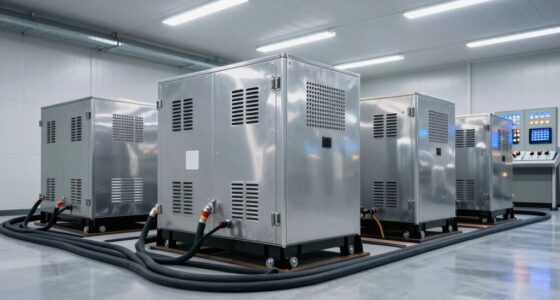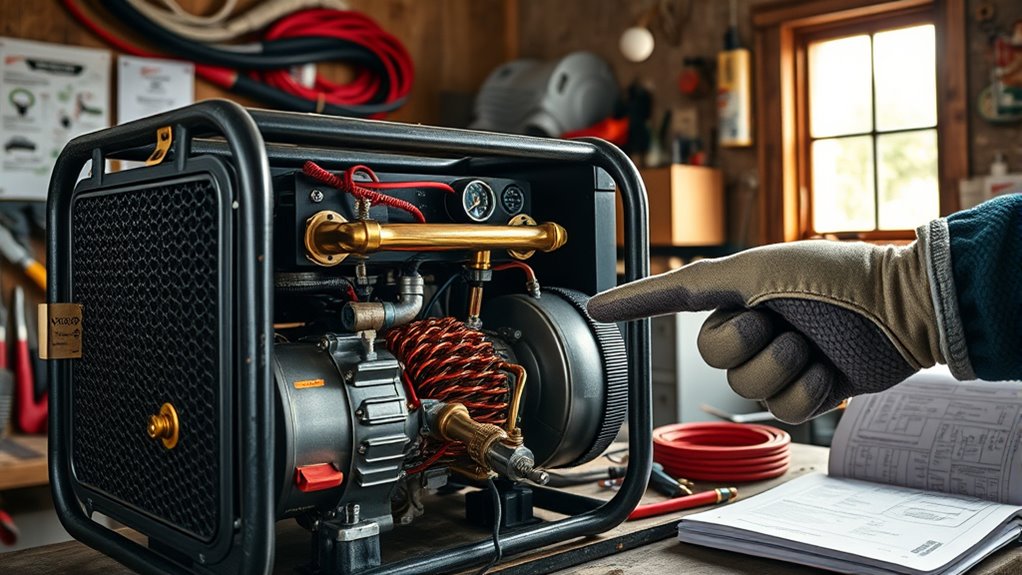

To master your generator’s lifespan and replacement timing quickly, start by understanding its key components like the engine, filters, spark plugs, and exhaust system. Regularly inspect and clean these parts, watch for signs like decreased fuel efficiency, unusual noise, difficulty starting, or vibrations. Recognizing these early alerts helps you schedule maintenance or plan for replacement before costly failures. Staying proactive keeps your generator reliable; explore further tips to fine-tune your maintenance routine.

Get backup power and energy gear delivered free with Prime
- Fast, free delivery on millions of items
- Prime Video, Amazon Music and more included
- Member-only deals all year
Key Takeaways
- Learn to identify signs of wear, such as decreased fuel efficiency, noise, and difficulty starting.
- Follow regular maintenance routines: clean filters, check spark plugs, and inspect ventilation systems.
- Use inspection tables to focus on critical components like fuel, exhaust, and moving parts.
- Recognize early indicators for replacement, including uneven power output and increased noise.
- Incorporate AI-driven tools for predictive maintenance and optimal scheduling to extend generator lifespan.
Understanding Your Generator’s Key Components and Wear Indicators
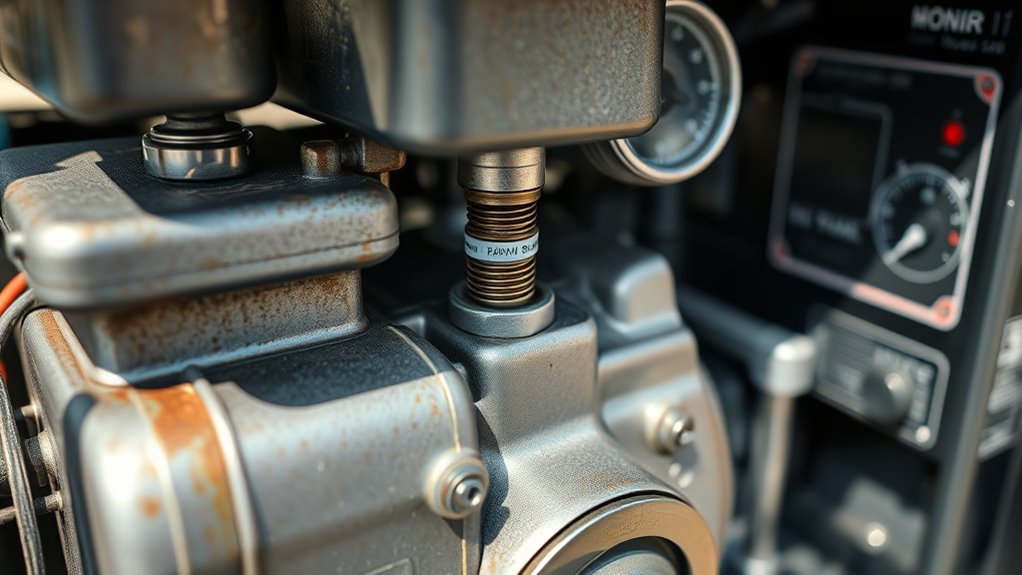
To keep your generator running smoothly, it’s essential to understand its key components and how to spot wear indicators. The engine, fuel system, and exhaust are critical parts affecting fuel efficiency and noise levels. If the engine shows signs of overheating or irregular operation, it may indicate wear that reduces fuel efficiency. Listen for increased noise levels, which can signal loose or worn parts. Check the air filters and spark plugs regularly, as dirty filters or worn plugs can decrease performance and increase noise. The fuel system’s performance impacts fuel efficiency directly; leaks or clogs can cause inefficiency. Monitoring these components helps you catch early signs of wear, ensuring your generator runs efficiently and quietly, extending its lifespan and maintaining reliable power. Regular maintenance of filtration systems can also prevent buildup that may impair performance.
Regular Maintenance and Inspection Techniques to Extend Lifespan
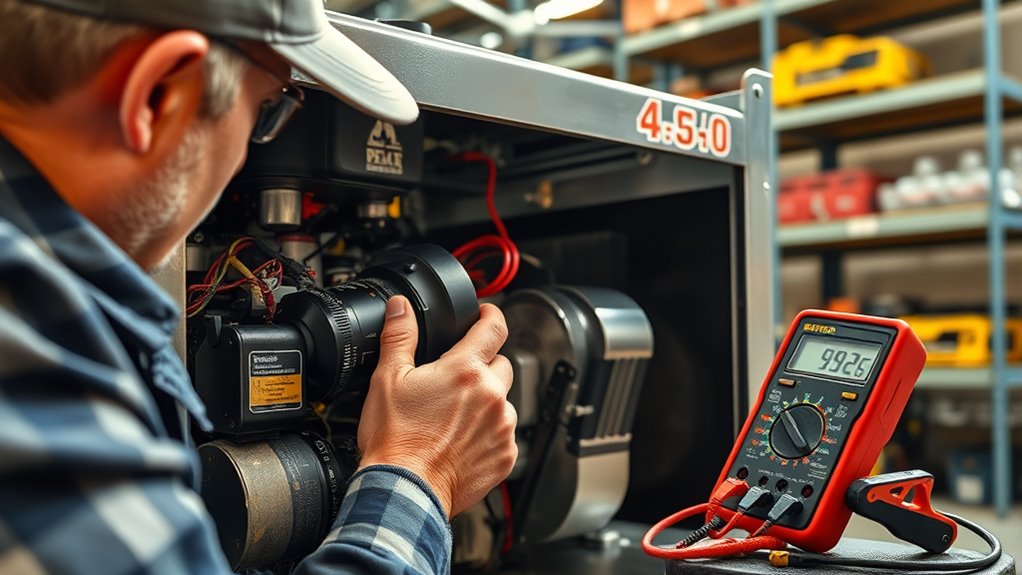
Regular maintenance and inspections are essential for extending your generator’s lifespan and ensuring reliable operation. Regularly check and clean filters, spark plugs, and ventilation areas to optimize fuel efficiency and reduce noise. Properly maintained components run smoother, saving fuel and minimizing wear. Use the table below to understand key inspection points:
| Inspection Area | Purpose |
|---|---|
| Fuel System | Improve fuel efficiency and prevent clogs |
| Exhaust & Ventilation | Reduce noise and prevent overheating |
| Moving Parts | Minimize wear and extend lifespan |
Consistent checks help catch issues early, saving money and avoiding unexpected failures. Prioritize fuel efficiency and noise reduction to keep your generator running longer and quieter. Additionally, adopting AI-driven solutions in maintenance routines can further optimize inspection schedules and predict potential failures before they occur.
Recognizing Signs When It’s Time for Replacement
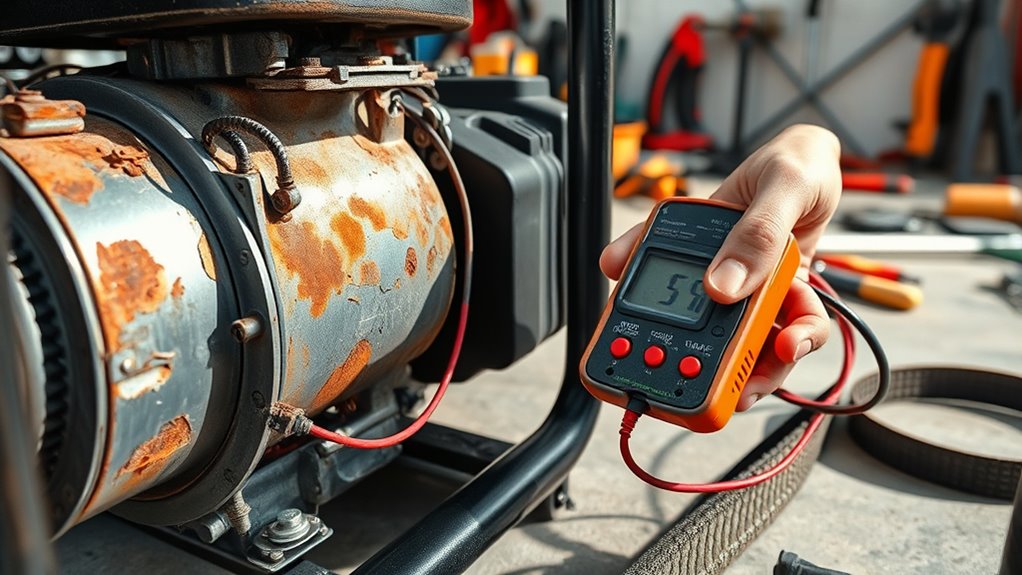
Knowing when to replace your generator is essential to avoid unexpected breakdowns and costly repairs. One clear sign is a drop in fuel efficiency, meaning it consumes more fuel to produce the same power. If your generator starts running louder or produces increased noise levels, it could indicate internal wear or failing components. Additionally, persistent difficulty starting the engine or frequent breakdowns are warning signs. You might also notice uneven power output or unusual vibrations. Over time, these signs point to the generator nearing the end of its lifespan. Addressing these issues early can save money and prevent sudden failures. Understanding core personality traits that influence behavior can help in assessing when a generator is no longer performing optimally. When these signs become consistent, it’s time to consider replacement to ensure reliable power and maintain safety.
Frequently Asked Questions
How Do Environmental Factors Affect Generator Lifespan?
Environmental factors like temperature, humidity, and dust can substantially impact your generator’s lifespan. High temperatures may cause overheating, reducing fuel efficiency and increasing wear. Humidity can lead to corrosion, while dust accumulation hampers performance. To combat this, stick to a strict maintenance schedule, cleaning filters and checking for rust. Properly managing these factors guarantees your generator runs smoothly, extends its lifespan, and maintains peak fuel efficiency.
Can Improper Installation Shorten My Generator’s Life?
Improper installation can considerably shorten your generator’s life by causing clutter, corrosion, and compromise. Poor setup can lead to increased noise levels and decreased fuel efficiency, straining the system. You might notice frequent failures, costly repairs, or early replacement. To avoid this, make certain of precise positioning, proper wiring, and adequate ventilation. Proper installation promotes longevity, lowers noise, improves fuel economy, and keeps your generator running reliably for years to come.
What Are the Cost Implications of Premature Replacement?
Prematurely replacing your generator can considerably impact your budget, leading to higher costs and disrupted plans. Conduct a thorough cost analysis to weigh the expenses of early replacement against continued maintenance. Incorporate this into your budget planning to avoid unexpected financial burdens. Remember, timely maintenance and proper installation can extend your generator’s lifespan, ultimately saving you money and ensuring reliable power when you need it most.
Are There DIY Methods to Extend Generator Durability?
You can definitely try DIY maintenance to extend your generator’s durability. Regularly check and change the oil, clean air filters, and inspect spark plugs. Following durability tips like keeping the generator in a dry, ventilated space and running it periodically helps prevent issues. While some tasks might seem formidable, many simple DIY maintenance steps are easy to do and can considerably prolong your generator’s lifespan, saving you money and stress.
How Does Generator Size Impact Replacement Timing?
Your generator size directly impacts replacement timing because larger capacity units tend to endure longer, thanks to their robust components and higher-quality parts. When considering size considerations, pick a generator that matches your power needs without overloading it. Proper sizing ensures efficiency and longevity, so if you opt for the right capacity, you’ll likely delay replacements and get more value from your investment over time.
Conclusion
By staying vigilant and performing regular checks, you can extend your generator’s life and catch issues early. But, as wear accelerates unexpectedly, you’ll need to decide when it’s time to replace. Will minor signs turn into costly failures? Only by understanding your generator’s subtle signals can you confidently make that call. Keep learning, stay attentive, and you’ll be prepared for whatever surprises lie ahead—your generator’s future depends on it.
Halloween Picks
halloween
As an affiliate, we earn on qualifying purchases.