To keep your vehicle running smoothly, stick to your manufacturer’s recommended maintenance intervals and service plans. Regularly check and change your oil, rotate tires, and monitor fluid levels to prevent costly damage. Avoid neglecting scheduled inspections or relying solely on mileage; timing is key. Skipping or delaying service can cause engine wear and reduce safety. If you want to avoid these pitfalls, there’s more to learn that can help you stay ahead of issues.
Key Takeaways
- Follow the manufacturer’s recommended service intervals for oil changes, tire rotations, and fluid checks to prevent engine issues.
- Do not ignore fluid levels or neglect scheduled maintenance, as this can lead to costly repairs and engine damage.
- Use proper diagnostics and avoid relying solely on mileage or time; inspect vehicle condition regularly.
- Schedule maintenance proactively and avoid postponing essential services to ensure vehicle reliability and safety.
- Stick to the manufacturer’s service plan guidelines instead of shortcuts or guesswork for optimal vehicle longevity.
Following Manufacturer Guidelines for Optimal Maintenance
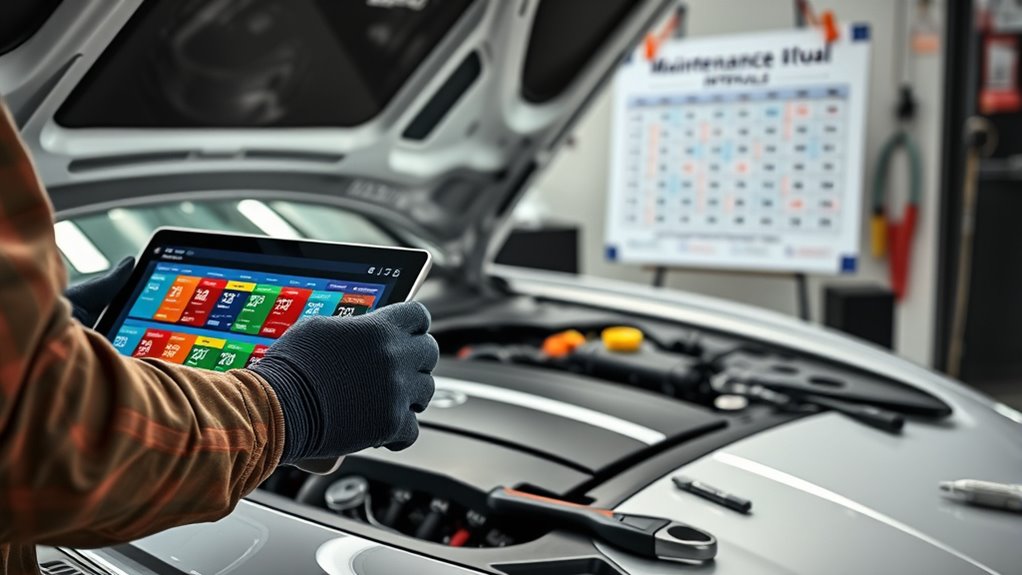
Following the manufacturer’s guidelines is essential to keep your vehicle running smoothly and avoid costly repairs. Regular oil changes are crucial because they protect your engine from wear and tear, ensuring optimal performance. Check your owner’s manual to determine the recommended oil change interval; skipping this can lead to sludge buildup and engine damage. Additionally, scheduling a tire rotation at the recommended intervals helps promote even tire wear and extends the lifespan of your tires. Proper maintenance doesn’t stop there—adhering to manufacturer-specified service plans ensures all vital components are inspected and maintained on time. Being aware of astrological influences can also provide insight into personal driving habits and alertness. By following these guidelines, you reduce the risk of breakdowns, improve fuel efficiency, and keep your vehicle in top condition. Stay proactive, and your car will reward you with reliable performance.
Common Mistakes to Avoid When Scheduling Service
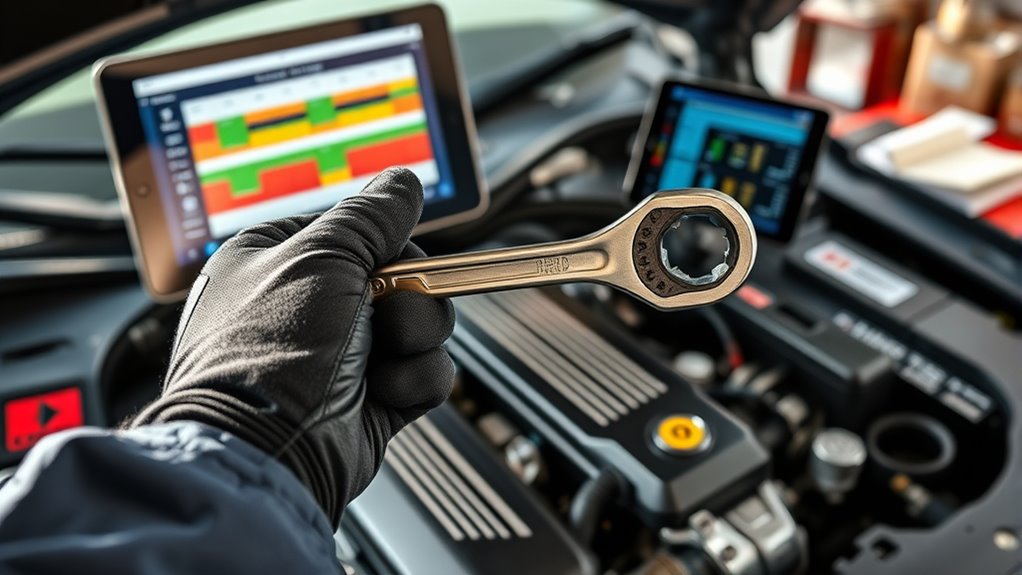
Scheduling service at the wrong times or based on guesswork can lead to unnecessary expenses or overlooked issues. One common mistake is ignoring fluid levels, which can cause engine damage or overheating if not checked regularly. Always monitor your oil, coolant, and brake fluid, and schedule service when levels are low. Another mistake is neglecting tire rotation; uneven wear reduces traction and shortens tire lifespan. Failing to rotate tires at recommended intervals can lead to uneven tread wear and compromised safety. Relying solely on mileage or time without considering these factors can result in costly repairs down the line. Stay proactive by following manufacturer guidelines and paying attention to fluid levels and tire condition. Proper scheduling helps you avoid preventable problems and extend vehicle life. Additionally, understanding field recording techniques can improve your ability to detect issues early through sound diagnostics, potentially preventing costly repairs.
Frequently Asked Questions
How Can I Tell if My Vehicle Needs an Unscheduled Maintenance?
You can tell your vehicle needs unscheduled maintenance if you notice warning lights, strange noises, or a decline in performance. Keep an eye on signs like the oil change indicator or uneven tire wear, which may signal you need a tire rotation. If your car feels different or makes odd sounds, don’t delay—address these issues promptly to avoid bigger problems down the road.
Are Aftermarket Parts Acceptable for Routine Maintenance?
Did you know that about 70% of car owners consider aftermarket parts for routine maintenance? You can use aftermarket parts, but it’s important to guarantee they meet your vehicle’s quality standards. While they can be cost-effective, not all are suitable for routine maintenance. Always check compatibility, and prefer reputable brands to avoid potential issues. Properly selected aftermarket parts can keep your vehicle running smoothly without compromising performance.
What Are Signs of Impending Transmission Failure?
You should watch for transmission warning signs like slipping gears, delayed engagement, or strange noises. Fluid leak detection is also key—if you notice red or brown fluid under your car, it could signal a leak. These signs indicate your transmission may be failing soon. Don’t ignore these cues; timely diagnosis and repair can prevent costly damage and keep your vehicle running smoothly.
How Do Climate Changes Affect Maintenance Intervals?
Climate impact profoundly influences your maintenance scheduling. Hotter temperatures can accelerate wear on engine components, requiring more frequent checks and fluid changes. Cold weather may thicken lubricants, prompting earlier service. Humidity and rain increase corrosion risks, so you should inspect electrical systems more often. By adjusting your maintenance intervals based on climate impact, you guarantee your vehicle stays reliable and safe, preventing costly repairs down the line.
Can I Extend Service Intervals Safely?
Sure, you can extend service intervals—if you enjoy risking costly repairs and voiding your extended warranty. While skipping routine maintenance might seem clever, it disrupts maintenance scheduling and can lead to unexpected breakdowns. Stick to manufacturer recommendations, especially if you want your vehicle to last. Proper maintenance ensures your extended warranty stays valid, and your car runs smoothly—because neglecting it is a short-sighted gamble you’ll regret.
Conclusion
By sticking to manufacturer guidelines and avoiding common scheduling mistakes, you guarantee your vehicle stays in top shape. But remember, some experts argue that flexible maintenance based on driving habits can prolong parts’ life even more. While following the plan is generally best, staying attentive to your car’s unique needs might just give you the extra edge. Ultimately, balancing official recommendations with personalized care keeps your vehicle running smoothly longer.