To maintain diesel fuel quality with stabilizers, regularly add a high-quality fuel stabilizer designed for diesel to prevent oxidation, microbial growth, and sediment formation. Be sure to follow the manufacturer’s instructions for proper dosage and timing, especially if your fuel sits unused for extended periods. Pair stabilizer use with proper storage tank maintenance, like cleaning and water removal, to maximize fuel longevity. Knowing more about best practices can help you keep your diesel clean and efficient.
Key Takeaways
- Use fuel stabilizers regularly to prevent oxidation and microbial growth during storage.
- Add biocides to inhibit microbial contamination and maintain fuel cleanliness.
- Ensure tanks are properly sealed and equipped with water separators to avoid moisture ingress.
- Conduct routine tank inspections and cleaning to remove sediments and deposits.
- Combine stabilizer use with proper tank maintenance for optimal diesel fuel quality and engine performance.

Maintaining diesel fuel quality is essential to guarantee your engine runs smoothly and efficiently. One of the most effective ways to do this is by using fuel additive options designed to enhance fuel stability and prevent common problems like microbial growth, oxidation, and sediment formation. These additives can help improve fuel combustion, reduce emissions, and extend the lifespan of your engine components. When selecting fuel additive options, consider products that contain stabilizers and biocides, especially if your diesel sits in storage for extended periods. Regularly adding the right additives ensures your fuel remains clean and free-flowing, which is critical for maintaining peak engine performance.
Equally significant is proper storage tank maintenance. Over time, tanks can accumulate water, dirt, and other contaminants that degrade fuel quality. Regular inspections and cleaning of your storage tanks are essential to prevent these issues from affecting your diesel. Make sure the tanks are sealed tightly to minimize moisture ingress, which can lead to microbial growth and fuel spoilage. Installing a water separator can be highly effective, as it helps remove water before it reaches your engine, preventing corrosion and fuel degradation. Additionally, keep an eye on the tank’s interior for signs of rust or sediment buildup, and schedule periodic cleaning to remove any deposits.
Using fuel additive options in combination with diligent storage tank maintenance creates a holistic approach to preserving your diesel fuel. When you add stabilizers to your fuel, it reduces the risk of oxidation and microbial contamination, especially during periods of inactivity or storage. This proactive step prevents the formation of gums and sediments that can clog filters and injectors, safeguarding your engine’s performance. Meanwhile, routine maintenance of your storage tanks ensures that contaminants don’t find their way into your fuel supply in the first place. Both practices work together to maintain high-quality fuel, resulting in smoother engine operation, better fuel economy, and fewer costly repairs down the line. Incorporating fuel quality management strategies backed by industry best practices is crucial for optimal engine longevity.

Porch Shield Waterproof Universal Generator Cover 38 x 28 x 30 inch - for Most Generators 5500-15000 Watt, Black
Compatible - More sizes for 5500w -15000w gas generator or inverter generator.
As an affiliate, we earn on qualifying purchases.
Frequently Asked Questions
How Do Stabilizers Affect Diesel Engine Performance?
Stabilizers improve diesel engine performance by preventing fuel degradation, which can cause clogging and reduced efficiency. They work by neutralizing oxidation and moisture buildup, ensuring cleaner combustion. You’ll find that stabilizers are designed for additive compatibility, so they won’t harm your engine or fuel system. Using stabilizers regularly helps maintain ideal fuel quality, leading to smoother operation, better fuel economy, and fewer maintenance issues over time.
Can Stabilizers Be Mixed With Other Fuel Additives?
Sure, you can mix stabilizers with other fuel additives, but don’t expect a smooth ride. Additive compatibility varies, so check the labels before blending. Follow storage guidelines to prevent unintended reactions, or you might end up with a fuel disaster. Mixing incompatible additives can cause clogs or corrosion. Play it safe: research, read instructions, and don’t turn your fuel into a chemistry experiment. Your engine will thank you.
What Are the Environmental Impacts of Using Stabilizers?
Using stabilizers can have environmental concerns, as some may contain chemicals that pose ecological effects if leaked or improperly disposed of. You should be aware that certain stabilizers might introduce pollutants into soil or water sources, potentially harming wildlife. To minimize these impacts, choose eco-friendly options and follow disposal instructions carefully. Staying informed helps you reduce ecological effects and protect the environment while maintaining your diesel fuel’s quality.
How Often Should Diesel Fuel Be Stabilized During Storage?
Think of diesel fuel like fresh fruit that needs preserving. You should stabilize your diesel fuel every 6 to 12 months during storage, depending on storage duration and conditions. Regular stabilizer application prevents oxidation and microbial growth, ensuring fuel quality. If your storage time extends beyond a year, consider applying stabilizers more frequently. Consistent stabilization keeps your fuel reliable and ready whenever you need it.
Are There Any Safety Precautions When Handling Stabilizers?
When handling stabilizers, you should follow handling precautions like wearing gloves and eye protection to avoid skin and eye irritation. Always handle stabilizers in a well-ventilated area to prevent inhaling fumes. Store them in a cool, dry place away from open flames or heat sources to guarantee storage safety. Keep the container tightly closed when not in use, and follow the manufacturer’s instructions for safe handling and disposal.
Porch Shield Waterproof Universal Generator Cover 32 x 24 x 24 inch - for Most Generators 5000-10000 Watt, Black
Compatible - More sizes for 5000w -10000w gas generator or inverter generator.
As an affiliate, we earn on qualifying purchases.
Conclusion
Just as a captain relies on a steady compass to navigate stormy seas, you must trust in fuel stabilizers to keep your diesel pure and reliable. By maintaining your fuel’s quality, you safeguard your journeys and prevent unexpected breakdowns. Remember, neglecting this duty is like sailing into treacherous waters blindfolded. Stay vigilant, use stabilizers, and guarantee your vehicle’s performance remains steadfast—so you can continue your voyage with confidence, no matter what challenges lie ahead.

GenArmor Generator Covers While Running, 100% Waterproof Heavy Duty Tarps Generator Tent, Portable Outdoor Generator Enclosure for Most 4000w~13000w Generators, Black, Standard
100% Waterproof Protection: A patented innovation from GenArmor independent design lab, ensuring the safety of your generator covers...
As an affiliate, we earn on qualifying purchases.
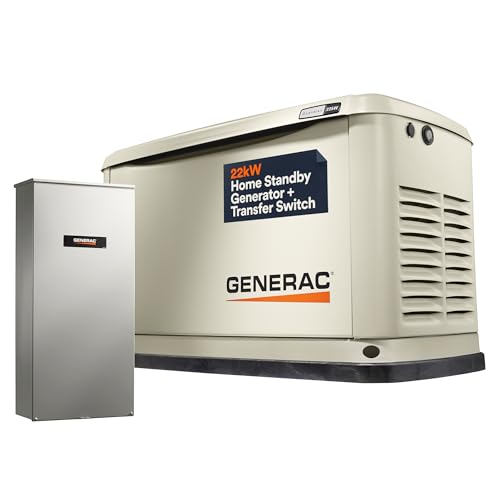
Generac Guardian 22kW Home Standby Generator with 200 Amp Transfer Switch - Automatic Whole House Backup Power for Storms, Emergencies, and Outages, WiFi Enabled, Runs on Natural Gas or Liquid Propane
Remote Monitoring Anywhere: With Generac 7043 22kW Mobile Link Wi-Fi connectivity, effortlessly track generator performance from anywhere. Stay...
As an affiliate, we earn on qualifying purchases.