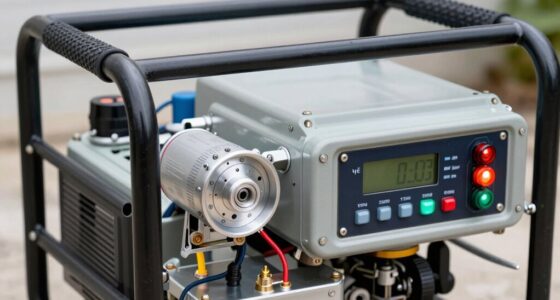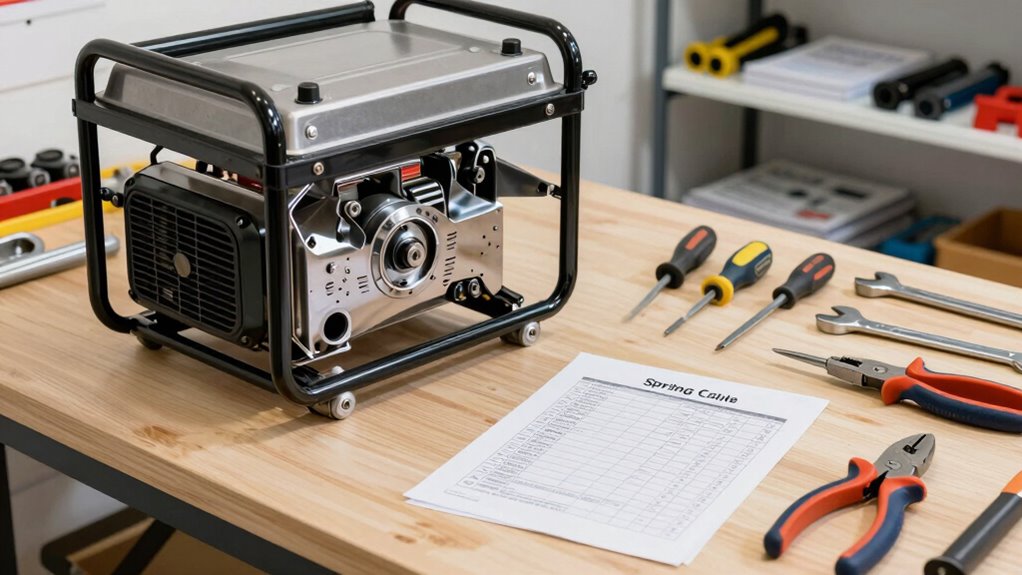

To build a standby generator spring checklist, start by inspecting the unit’s physical condition for wear, leaks, or corrosion, and clean it thoroughly. Check and test safety features like circuit breakers and transfer switches, and confirm fuel lines and levels are sufficient and free of leaks. Verify the generator’s load capacity with a test run, and inspect environmental guards for airflow and security measures. Keep safety gear handy and plan for regular maintenance. Continuing will help you cover all essential steps for a reliable start-up.

Get backup power and energy gear delivered free with Prime
- Fast, free delivery on millions of items
- Prime Video, Amazon Music and more included
- Member-only deals all year
Key Takeaways
- Inspect and clean the generator, including filters, oil, and spark plugs, before the spring season begins.
- Test safety features like circuit breakers, transfer switch, and automatic shut-off systems for proper operation.
- Ensure fuel lines are leak-free, use fresh fuel, and top off fuel storage for upcoming outages.
- Check and secure outdoor placement, landscaping, and ventilation to protect the generator and prevent carbon monoxide buildup.
- Review and update security measures to prevent theft and verify all protective gear and safety protocols are in place.
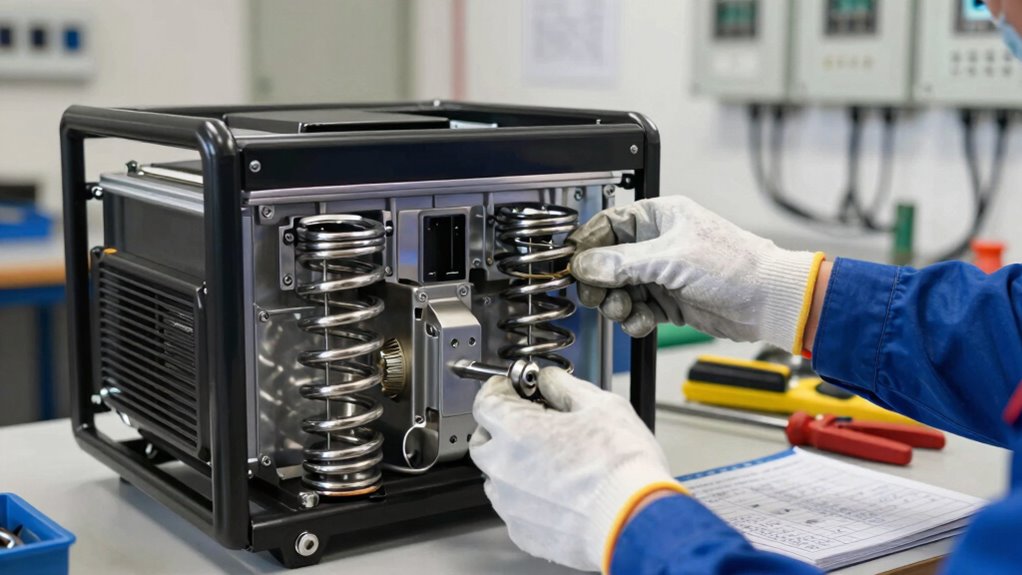
Are you prepared to keep your home powered during spring outages? As the seasons shift, it’s essential to ensure your standby generator is ready to step in when you need it most. Building a spring checklist for your generator helps you stay ahead of potential issues and guarantees smooth operation when power goes out. Start by inspecting your generator’s physical condition; look for any signs of wear, corrosion, or leaks. Clean the unit thoroughly, removing dirt and debris that could hinder performance. Regular generator maintenance is crucial, so check your owner’s manual for specific service intervals and procedures. Changing the oil, replacing filters, and inspecting spark plugs should be part of your routine to ensure reliable operation. Don’t forget to test your generator under load to verify it can handle the demands during an outage. Incorporating outdoor landscaping elements can also help protect your generator from environmental damage and improve airflow around the unit. Additionally, understanding the security/office gear options can help you safeguard your equipment from theft or unauthorized access. Implementing these protective measures can extend your generator’s lifespan and ensure safety during usage.
To optimize your generator’s longevity, consider monitoring maintenance schedules regularly to prevent unexpected breakdowns. Safety precautions are vital during this process. Always disconnect the generator from the power source before working on it to prevent accidental electrical shocks. Wear protective gear, such as gloves and safety glasses, to shield yourself from moving parts, chemicals, or fumes. Keep a fire extinguisher nearby in case of emergencies. Make sure your working area is well-ventilated since running a generator produces carbon monoxide, which can be deadly in enclosed spaces. Never operate your generator indoors or in poorly ventilated areas. Check the battery, if applicable, to ensure it’s charged and terminals are free of corrosion. If you notice any damaged cords or parts, replace them immediately to prevent hazards. Staying vigilant about generator safety ensures both your protection and the continuous, dependable operation of your equipment.
Another key aspect of your checklist is testing safety features, such as circuit breakers and automatic shut-off systems. Confirm that they are functioning correctly to protect your home and equipment. Review your manual for specific safety precautions related to your generator model, and verify all safety devices are in place and operational. Additionally, examine your transfer switch and confirm it’s working properly, so your generator can safely connect to your home’s electrical system during an outage. Finally, prepare a backup plan for fuel storage, guaranteeing you have enough to power your generator for the expected duration of outages. Check fuel lines for leaks or blockages and make sure your fuel is fresh, as old fuel can cause starting issues. Proper planning and regular checks will help avoid unexpected interruptions when you need your generator most.
Frequently Asked Questions
How Often Should I Inspect My Standby Generator During Spring?
You should inspect your standby generator at least once every spring to guarantee peak fuel efficiency and noise levels. Regular checks help you spot issues early, like leaks or worn parts, that could affect performance. Pay attention to fuel quality, oil levels, and noise during operation. Frequent inspections keep your generator running smoothly, saving you money and ensuring it’s ready when you need backup power, especially during seasonal storms or outages.
What Safety Precautions Are Necessary Before Starting Maintenance?
Before starting maintenance, you should wear proper safety gear—gloves, goggles, and ear protection—to prevent injuries from sparks, fumes, or moving parts. Always review emergency procedures beforehand, so you know how to shut down the generator quickly if needed. This preparation helps you stay safe and avoid accidents, especially if unexpected issues arise during inspection or repair. Safety first guarantees a smooth, secure maintenance process.
Can I Perform Spring Maintenance Myself or Should I Hire a Professional?
You can perform spring maintenance on your generator yourself if you’re comfortable with basic tasks. Start by checking generator fuel levels and making sure it’s fresh, and inspect the battery for corrosion and proper charge. However, if you’re unsure about handling fuel or battery maintenance safely, it’s better to hire a professional. They can guarantee everything is serviced correctly, preventing potential issues and keeping your generator running smoothly during emergencies.
What Tools Are Needed for a Thorough Spring Checklist?
Surprisingly, the tools needed for your spring checklist are pretty straightforward. You’ll want a wrench set, screwdrivers, and a multimeter for fuel stability and battery inspection. Don’t forget a flashlight to spot hidden issues, and possibly a fuel tester. While it might seem simple, don’t underestimate the importance of thorough checks—using the right tools guarantees your generator’s ready to power up when you need it most.
How Do I Troubleshoot Common Generator Startup Issues?
To troubleshoot common generator startup issues, start by checking your fuel filters for clogs or dirt that could block fuel flow. Confirm your battery connections are tight and free of corrosion, as weak or loose connections can prevent proper starting. If the generator still doesn’t start, verify the fuel supply and inspect for any electrical faults. Regularly maintaining these components helps keep your generator reliable and ready when needed.
Conclusion
Now that you’ve gone through this spring checklist, you’re ready to guarantee your standby generator is prepared for any situation. Inspect, clean, test, and maintain with confidence, knowing each step keeps your system reliable and your home protected. Stay proactive, stay vigilant, and stay prepared — because a well-maintained generator isn’t just a backup; it’s peace of mind. Keep up with your checklist, and let your generator serve you smoothly, safely, and efficiently all season long.
Halloween Picks
halloween
As an affiliate, we earn on qualifying purchases.