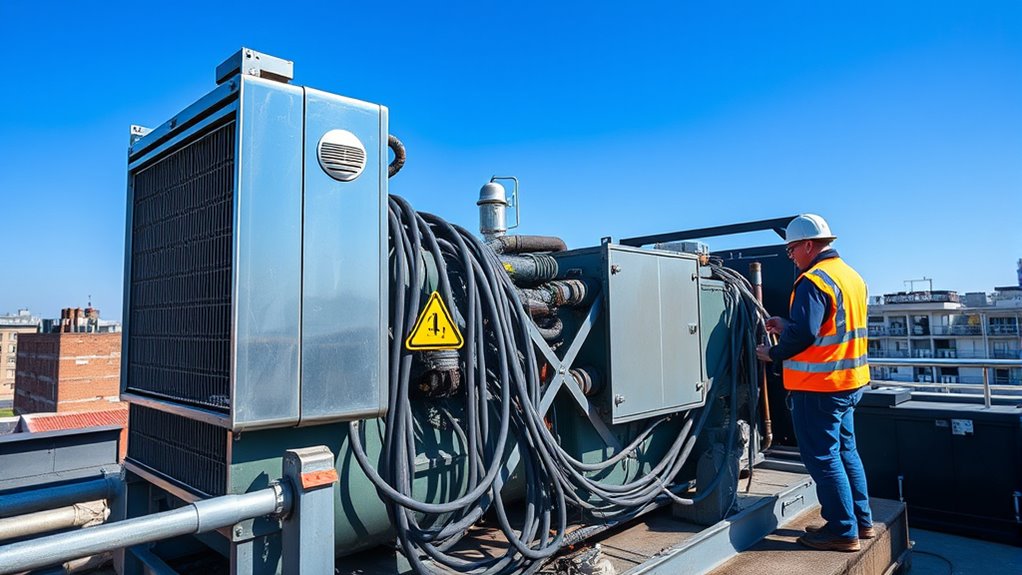

When installing a generator on your rooftop, you’ll face structural, safety, weatherproofing, and noise challenges. You need to evaluate and reinforce the building’s structure, follow electrical codes, and guarantee proper grounding. Weatherproofing is essential to protect components from elements, and soundproofing helps reduce noise impacts. Additionally, regulatory standards govern installation and noise levels. If you keep exploring, you’ll discover how to confidently navigate these challenges and ensure a safe, compliant setup.
Key Takeaways
- Ensure the building’s structure can support the generator’s weight and reinforce the roof accordingly.
- Comply with local electrical codes for wiring, grounding, and safe electrical connections.
- Implement weatherproofing measures to protect components from elements like rain and wind.
- Use soundproof enclosures and acoustic barriers to mitigate noise and adhere to community noise regulations.
- Plan for safe access, fire suppression, and evacuation procedures while following safety and regulatory standards.
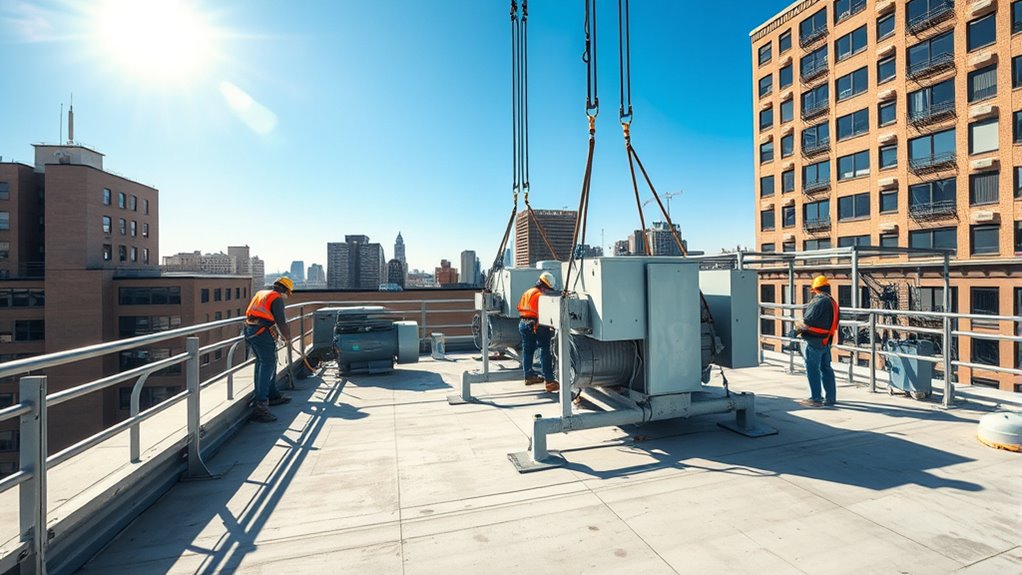
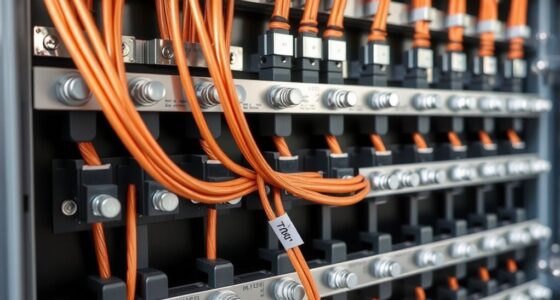
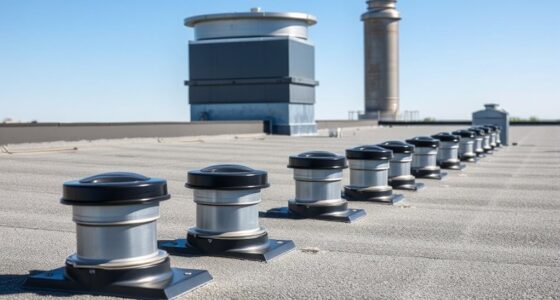
Installing generators on rooftops offers an efficient way to generate power while saving valuable ground space. However, this approach comes with specific challenges that you need to address to guarantee a successful and safe installation. One of the most critical aspects is adhering to safety protocols. When placing a generator on a rooftop, you must evaluate the structural integrity of the building to support the additional weight. Reinforcing the roof may be necessary to prevent any risk of collapse or damage. You should also plan for proper access points for maintenance and emergency procedures, ensuring that technicians can safely reach the equipment. Fire safety is paramount; installing appropriate fire suppression systems and ensuring proper clearance around the generator reduces the risk of fire hazards. Electrical codes must be strictly followed to prevent short circuits, overloads, or other electrical failures. Proper grounding and wiring practices, compliant with local codes, are essential to protect both the equipment and personnel. Additionally, securing all components against weather elements, such as wind or rain, is essential for safety and longevity. As the use of AI in infrastructure development increases, integrating AI safety standards can help in designing more resilient and secure rooftop power systems.
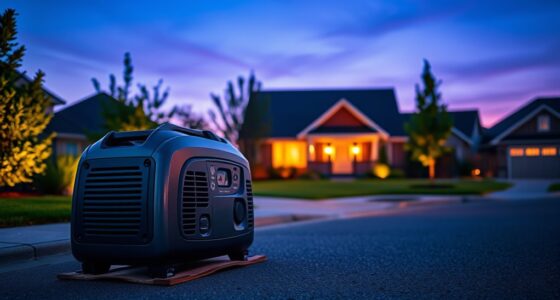
Noise mitigation is another key factor when installing generators on rooftops. Generators inherently produce noise, which can disturb building occupants or nearby residents. To address this, you should incorporate noise mitigation strategies into your design. Installing soundproof enclosures or acoustic barriers around the generator can greatly reduce noise levels. The placement of these barriers is key; positioning them so that the sound is directed away from occupied spaces minimizes disturbance. Using vibration isolation mounts can also lessen the transmission of noise through the building structure. When planning your rooftop installation, consider local noise ordinances and community guidelines to guarantee compliance and avoid potential conflicts. These regulations often specify maximum permissible noise levels, so designing your setup with these limits in mind is essential. Properly maintained and well-insulated generators tend to produce less noise, which helps in meeting these standards.
Frequently Asked Questions
What Are the Noise Level Restrictions for Rooftop Generators?
You need to keep rooftop generator noise levels within local limits, typically around 60-70 decibels. To achieve this, consider installing noise barriers or soundproof enclosures, which help contain the sound and reduce disturbance to nearby areas. Regular maintenance also guarantees the generator runs quietly. Always check your local codes for specific restrictions, as they vary by municipality, and ensure your setup complies for safe, quieter operation.
How Do Weather Conditions Affect Generator Performance on Rooftops?
Weather conditions critically impact your rooftop generator’s performance by testing its weather resilience. Harsh conditions like strong winds, snow, or heavy rain can cause installation challenges and potentially damage the equipment. To make certain of reliable operation, you need to take into account weatherproofing measures, proper mounting, and protection against the elements. Regular maintenance becomes essential to keep the generator functioning efficiently despite changing weather, avoiding unexpected failures and ensuring safety.
Are There Specific Fire Safety Requirements for Rooftop Generators?
Yes, there are specific fire safety regulations you must follow for rooftop generators. You need to guarantee proper generator placement to minimize fire risks, keeping it away from combustible materials and installing adequate fire suppression systems if required. Local codes often mandate fire-resistant barriers, ventilation, and accessible fire extinguishers nearby. Always consult the relevant fire safety regulations to ensure your rooftop generator setup meets all safety standards and reduces the risk of fire hazards.
Can Rooftop Generators Be Integrated With Existing Building Systems?
You might think rooftop generators are a plug-and-play dream, but building system integration isn’t that simple. Retrofit challenges pop up as you try to seamlessly connect new power sources with existing systems, often requiring complex modifications. While integration is possible, it demands careful planning, coordination, and compliance with codes. Expect surprises along the way, but with expertise, you can guarantee your rooftop generator works harmoniously within your building’s infrastructure.
What Are the Long-Term Maintenance Considerations for Rooftop Generators?
You need to regularly inspect your rooftop generator for corrosion prevention, especially in harsh weather. Make certain proper ventilation requirements are maintained to prevent overheating and exhaust buildup. Schedule routine maintenance to check fluid levels, filters, and electrical connections. Keep the area clear of debris and monitor battery health. By doing so, you’ll extend your generator’s lifespan, optimize performance, and reduce costly repairs over the long term.
Conclusion
Installing generators on rooftops presents challenges, demands adherence to codes, and requires careful planning. You must evaluate structural integrity, meet safety standards, and navigate zoning laws. You need to assess load capacities, ensure proper ventilation, and coordinate with authorities. By understanding these hurdles, following regulations, and preparing thoroughly, you’ll create a reliable, safe, and efficient energy source. Embrace the process, respect the guidelines, and commit to quality—your rooftop generator will power your future confidently.