
To install a natural gas line for your standby generator, you should hire licensed professionals to guarantee safety and compliance with local codes. They will handle permit requirements, follow strict installation guidelines, and perform thorough pressure and leak tests before connecting your generator. Proper installation reduces risks and guarantees reliable operation. If you want detailed steps, safety tips, and expert advice, keep exploring how to ensure your setup is safe and effective.

Get backup power and energy gear delivered free with Prime
- Fast, free delivery on millions of items
- Prime Video, Amazon Music and more included
- Member-only deals all year
Key Takeaways
- Obtain necessary permits and ensure compliance with local codes before installing the gas line.
- Hire licensed professionals to guarantee safe, code-compliant installation and proper permit acquisition.
- Follow manufacturer instructions and safety guidelines during installation, including proper sealing and secure connections.
- Conduct thorough pressure testing and leak detection to verify system integrity before connecting the generator.
- Turn off existing gas supplies, use protective gear, and work in well-ventilated areas to ensure safety during installation.
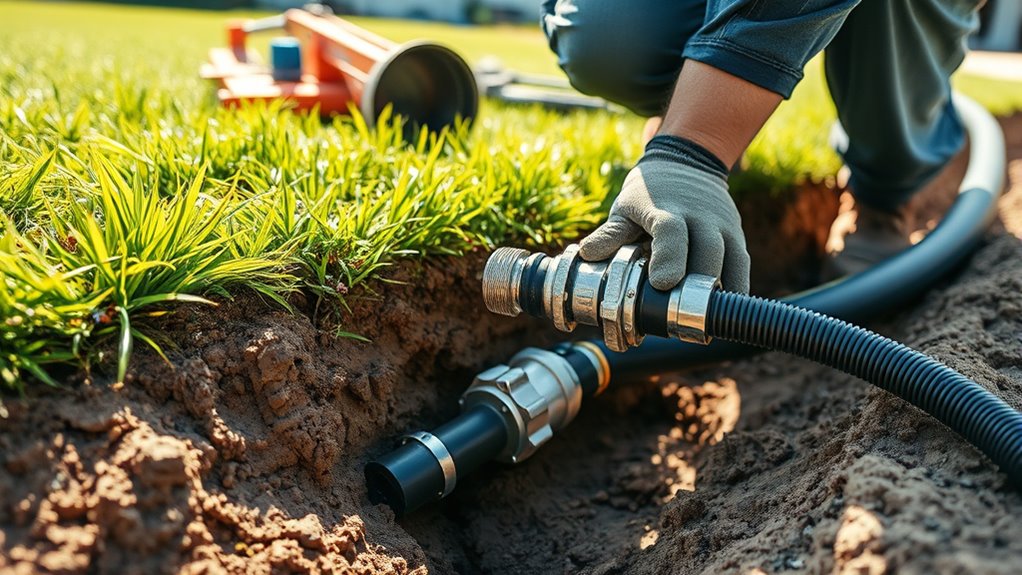
Installing a natural gas line is a essential step for safely providing your home with a reliable energy source. When you’re planning to connect a standby generator, ensuring the installation is done correctly is critical for safety and efficiency. Before you even begin, it’s important to familiarize yourself with safety precautions that protect you and your property. Handling natural gas involves risks like leaks and fires, so wearing appropriate protective gear, working in well-ventilated areas, and double-checking all connections are key steps. You should also turn off existing gas supplies before starting any work to prevent accidental leaks or explosions. If you’re not experienced in gas line installations, hiring a licensed professional is strongly recommended. They bring expertise in following safety precautions and adhering to local codes, which considerably reduces potential hazards.
Another essential aspect to contemplate is permit requirements. Most municipalities require permits before installing or modifying gas lines. These permits ensure the work meets safety standards and building codes, which are designed to protect your home and family. Failing to obtain the necessary permits can lead to fines, increased liability, or complications when you sell your property. Typically, a licensed plumber or gas technician can help you navigate permit requirements, handle the application process, and ensure the installation is inspected and approved by local authorities. This process might involve submitting detailed plans showing the route of the gas line, the type of materials used, and safety measures to prevent leaks or contamination. Understanding building code compliance and local regulations is crucial to avoid penalties and ensure a safe installation.
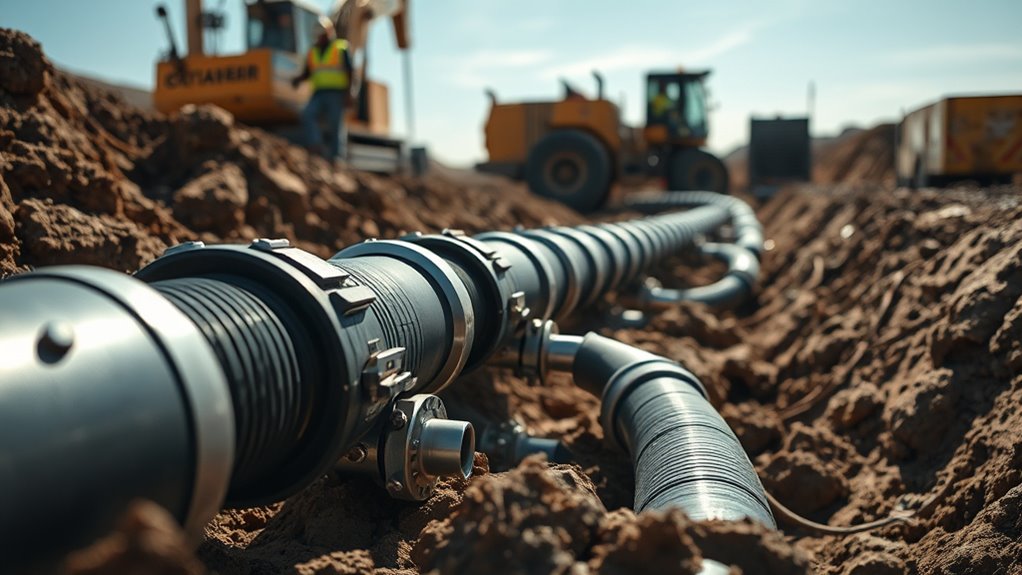
During installation, it’s essential to follow manufacturer instructions and local codes strictly. Properly securing the gas line, avoiding sharp bends, and ensuring all joints are sealed with approved materials will help prevent leaks. Once installed, a thorough pressure test should be performed to verify the integrity of the line. Remember, natural gas is highly flammable, so a leak detection test with a soapy water solution or a gas detector is necessary before activating the line. After passing inspection and testing, you can connect your standby generator, knowing the system is safe and compliant.
Frequently Asked Questions
How Long Does a Natural Gas Line Installation Typically Take?
The installation timeline for a natural gas line usually takes between one to three days, depending on your property’s size and complexity. You’ll want to coordinate with your contractor for accurate project scheduling. Factors like permits, trenching, and inspections can influence the timeline. By planning ahead and working closely with your installer, you guarantee a smooth process with minimal delays, getting your standby generator ready quickly and efficiently.
What Are the Safety Precautions During Installation?
During installation, you should prioritize safety by ensuring the installer is qualified and experienced, following all safety protocols. Gas leak prevention is vital; they should conduct thorough pressure testing and use proper fittings. Keep the area clear of ignition sources, and verify all connections are secure before turning on the gas. Regular inspections post-installation help maintain safety, preventing leaks and ensuring your generator operates safely.
Can Existing Gas Lines Be Modified for Generator Use?
Yes, you can modify existing gas lines for generator use, but you need to ensure they meet safety regulations. Check the gas line durability to confirm it can handle the additional load, and always consult a professional to evaluate the current setup. Proper modifications prevent leaks and safety hazards, guaranteeing your generator operates efficiently and safely. Remember, adhering to safety regulations is vital during any gas line modifications.
What Permits Are Required for Natural Gas Line Installation?
You need to check permit requirements before starting your natural gas line installation; skipping this step could cause delays or fines. Local codes and regulations demand permits to guarantee regulatory compliance and safety. Usually, you’ll require approval from your city or county building department. Make sure to obtain all necessary permits before you begin, as failure to do so can lead to costly legal issues and unsafe installations.
How Often Should the Gas Line Be Inspected After Installation?
You should inspect your gas line annually to prevent issues. During inspections, check for gas leaks and corrosion, addressing any signs promptly. Regular inspections ensure safety and system reliability. If you notice a strong smell of gas, corrosion, or damage, shut off the supply and call a professional. Staying vigilant helps prevent dangerous leaks and keeps your standby generator running smoothly.
Conclusion
Installing a natural gas line for your standby generator guarantees you’re always prepared, much like having a trusty lantern in a blackout. Just remember to follow all safety guidelines and local codes—don’t be a knucklehead and try to do it yourself if you’re unsure. Hiring a professional might seem like a hassle, but it’ll save you from potential headaches down the road. With proper installation, you’ll enjoy peace of mind, even in a storm, just like a modern-day pioneer.
Columbus Day / Indigenous Peoples' Day Picks
long weekend sales
As an affiliate, we earn on qualifying purchases.