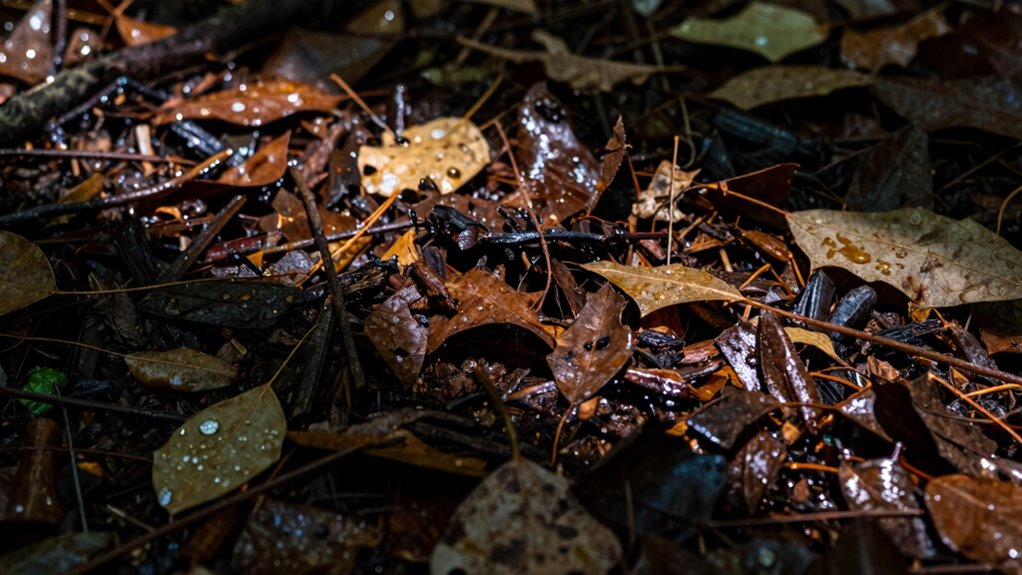
Leaves and mulch can quickly become hazards because they’re highly flammable, especially when dry, and can ignite from sparks, heat, or electrical contact. They also trap moisture, which promotes mold growth and attracts pests like rodents and insects. This combination increases fire risk, causes health problems from mold, and can lead to structural damage. Understanding how to manage organic debris helps protect your property—continue to see how you can prevent these hazards effectively.
Key Takeaways
- Dry leaves and mulch are highly combustible and can ignite from sparks, heat, or electrical sources.
- Organic debris retains moisture, promoting mold growth and increasing fire and health hazards.
- Piles trap moisture, attracting pests that can further increase fire and disease risks.
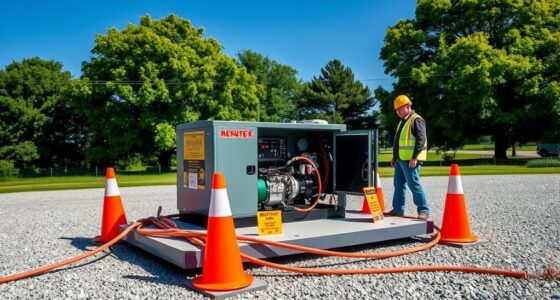
- Accumulated organic debris near electrical equipment heightens the risk of fire transmission.
- Regular removal and proper management reduce fire, mold, and pest hazards associated with leaves and mulch.
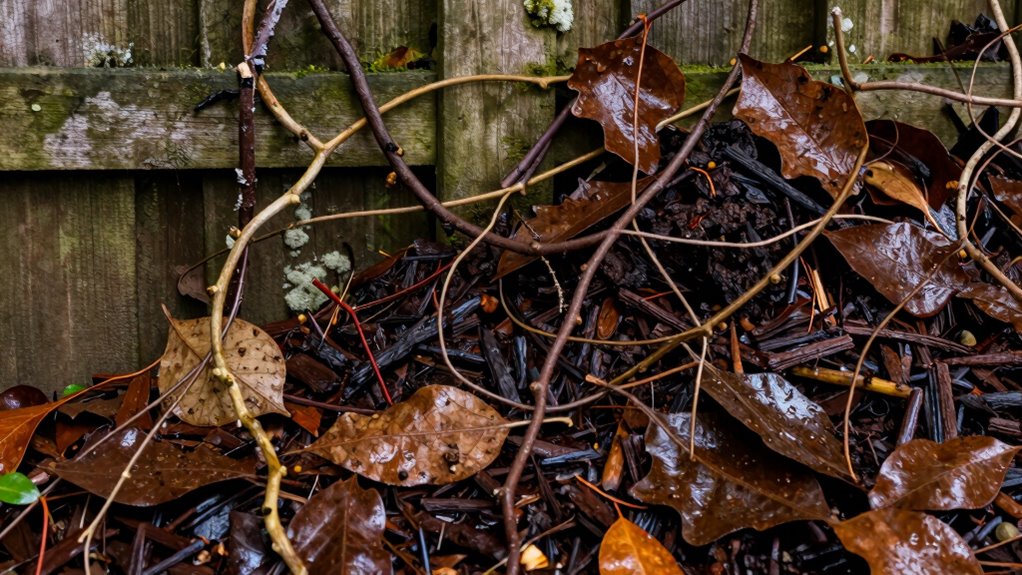
Have you ever considered how seemingly harmless piles of leaves and mulch can turn into serious generator hazards? These everyday garden materials might seem benign, but if left unmanaged, they can significantly increase the risk of fires and mold growth around your property. When leaves and mulch accumulate, they create ideal conditions for fires to ignite and spread quickly, especially during dry seasons or droughts. Dry leaves are highly combustible, and if they come into contact with electrical equipment, sparks, or nearby heat sources, they can ignite and cause fires that threaten your home and surroundings. It’s not just about the fire risk; these piles also trap moisture, which promotes mold growth. Mold can develop rapidly in damp mulch, especially when combined with organic debris, and pose health risks to you and your family. Mold spores can become airborne, leading to respiratory issues or allergic reactions, particularly if you or someone in your household has existing sensitivities.
The danger begins when you neglect to clear away or properly manage these piles. Leaves and mulch left in heaps retain moisture, creating a damp environment that’s perfect for mold. When mold spores settle and grow, they can spread through the air or on surfaces, making it tough to control once established. Mold growth isn’t just a health concern; it can also weaken the structural integrity of nearby wooden surfaces or landscaping features. Additionally, the moisture retained in these piles can attract pests like rodents and insects, which further complicate the situation and increase the chances of fire or disease transmission. Proper maintenance practices, such as regular removal and management of organic debris, are essential to mitigate these risks. Regularly inspecting and managing organic debris can help prevent the buildup of combustible materials that pose fire hazards. Ensuring proper ventilation around mulch and leaf piles can also help prevent excess moisture buildup, reducing mold risks. Furthermore, understanding the fire hazards associated with organic debris piles can help you take targeted precautions to prevent disaster. Recognizing how organic debris interacts with environmental factors helps in planning effective prevention strategies.
To minimize these hazards, you need to stay proactive. Regularly remove excess leaves and mulch from around your property, especially near electrical equipment, building foundations, and decks. Use composting methods or mulch disposal services to safely manage organic waste. Aerating or turning mulch piles can help reduce moisture retention and disrupt mold growth. Ensuring good drainage around your yard prevents water from pooling in leaf or mulch heaps, reducing mold risks. Installing firebreaks or clearing away combustible debris from vulnerable areas can also help prevent fires from spreading if a spark does occur. By staying vigilant and maintaining a clean, well-managed landscape, you protect your property from the dual threats of fire and mold, both of which can cause extensive damage and pose health risks. It’s a simple step that can save you from costly repairs, health issues, and safety hazards down the line. Being aware of organic debris management practices is essential for long-term property safety.
Top picks for "leav mulch become"
Open Amazon search results for this keyword.
As an affiliate, we earn on qualifying purchases.
Frequently Asked Questions
Can Leaves and Mulch Cause Electrical Fires Indoors?
Yes, leaves and mulch can cause electrical fires indoors if they accumulate near electrical outlets or wiring. Leaf accumulation and mulch decomposition create a combustible environment, especially in dry conditions. If these materials come into contact with sparks or heat sources, they can ignite and start a fire. To prevent this, keep leaves and mulch away from your home’s electrical systems and regularly clear any buildup around your property.
How Do Leaves and Mulch Affect Generator Ventilation?
Leaves and mulch can block your generator’s ventilation if they accumulate around it. Leaf accumulation and mulch buildup can restrict airflow, causing the generator to overheat or operate inefficiently. Regularly clear the area around your generator, removing leaves and mulch, especially during fall. Proper ventilation is essential for safe operation and to prevent potential fire hazards or damage caused by poor airflow.
Are Certain Types of Mulch Safer Around Generators?
You should look for mulch that’s non-toxic and made from natural, untreated materials, as some types can be toxic when decomposing or exposed to heat. Certain mulches break down into chemicals that could harm your generator or cause fires. Organic mulches like shredded bark or wood chips are generally safer, but always check for labels. Remember, a little caution goes a long way, especially around your generator and decomposing leaves.
What Are the Signs of a Hazard Caused by Leaves or Mulch?
You notice leaf accumulation and mulch buildup near your generator, which can signal a hazard. Signs include overheating, strange smells, or unusual noises during operation. You might also see reduced airflow or debris blocking vents. If you observe moist or decayed mulch, it could increase fire risk or cause electrical issues. Regularly inspect and clear away leaf accumulation and mulch buildup to keep your generator safe and functioning properly.
Can Regular Maintenance Prevent Leaf and Mulch-Related Hazards?
Yes, regular maintenance can prevent hazards caused by leaf accumulation and mulch decomposition. You should routinely clear away fallen leaves and monitor mulch for excessive buildup. Turning or aerating mulch helps speed up decomposition, preventing it from becoming overly moist and compacted. By staying proactive, you reduce the risk of fire hazards, pest infestations, and structural issues, ensuring your generator area remains safe and well-maintained.
Conclusion
If you neglect leaves and mulch around your generator, you could increase fire risks considerably. In fact, studies show that nearly 30% of generator fires are caused by improper yard debris management. By keeping leaves and mulch clear, you reduce this danger and protect your home. Stay vigilant and maintain a safe distance between your generator and any combustible material. Your safety—and your home—depend on it.