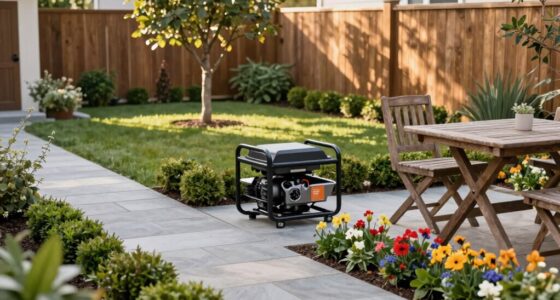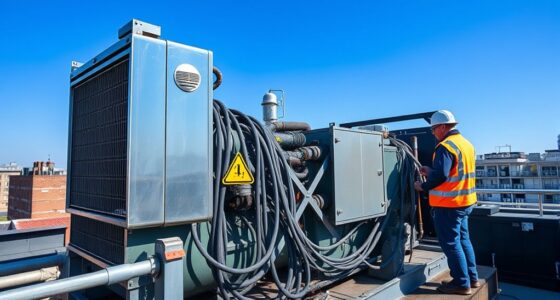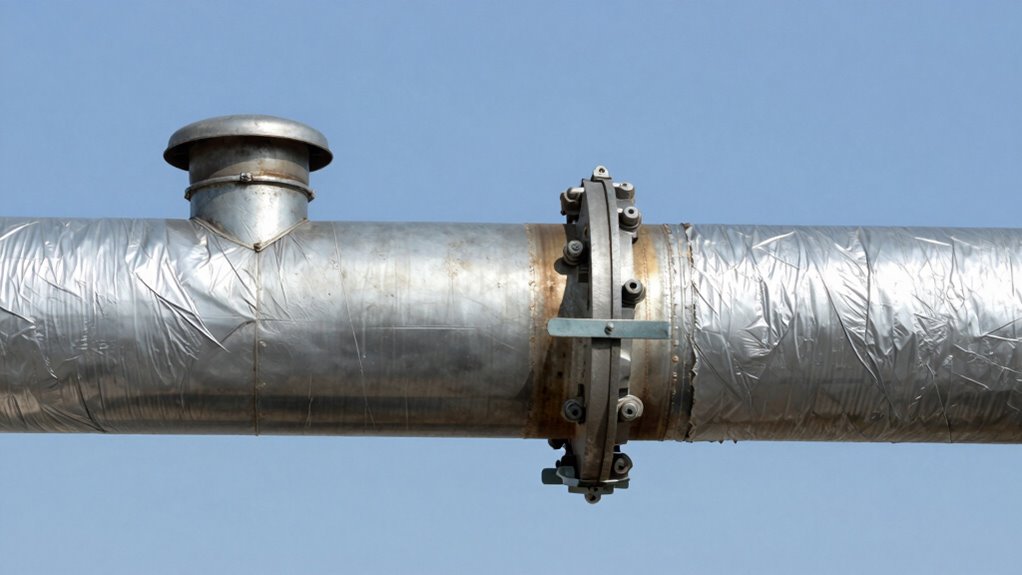

Before adding a generator exhaust extension, you should verify it’s designed to reduce noise effectively with proper materials like stainless steel and includes features like internal baffles or insulation. Make certain your extension fits your generator model securely, is installed correctly with seals and clamps, and is positioned away from combustible materials. Also, check local regulations and manufacturer guidelines to stay compliant and safe. If you continue, you’ll discover more tips to optimize performance and safety.
Get ready for Prime Big Deal Days — try Prime free
Exclusive member deals on October 6–7, plus fast free delivery. Cancel anytime.
As an affiliate, we earn on qualifying purchases.
Key Takeaways
- Ensure the extension design includes internal baffles or insulation for effective noise reduction.
- Use durable, high-temperature materials like stainless steel compatible with your generator.
- Properly secure and seal the extension to prevent harmful gas leaks and maximize safety.
- Check local regulations and manufacturer guidelines to avoid voiding warranties or safety issues.
- Confirm the extension fits your generator model and perform regular inspections for maintenance.
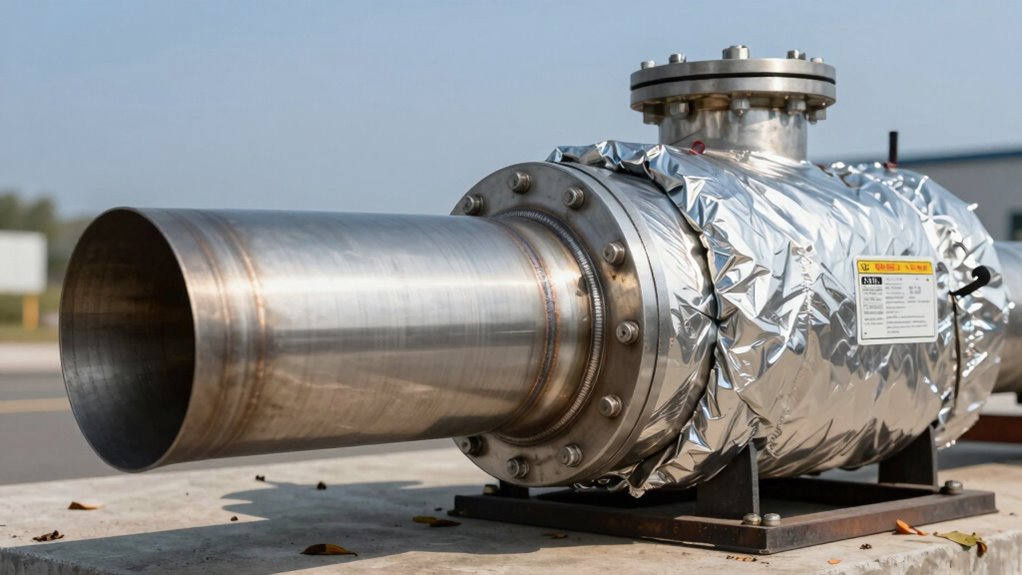
Are you considering extending your generator’s exhaust pipe? If so, you’re taking a step to improve safety and comfort during operation, but there are important factors to think about before making a modification. One of the main reasons people opt for exhaust extensions is noise reduction. A longer exhaust can help direct the sound away from your living space or work area, making your generator quieter and less disruptive. However, the effectiveness of noise reduction depends on the quality and design of the extension you choose. Properly designed extensions can notably diminish the noise level, but poorly fitted or inferior materials might not provide the noise mitigation you’re hoping for. It’s vital to select an extension that’s specifically designed to dampen sound, often with internal baffles or insulation, to guarantee maximum noise reduction.
Material durability is another critical aspect when considering an exhaust extension. Generators produce hot gases and operate in various weather conditions, so the extension material must withstand high temperatures, corrosion, and physical wear. Stainless steel and aluminized steel are popular choices because they resist rust and corrosion better than plain steel or plastic. Investing in a durable material not only prolongs the lifespan of your extension but also maintains its safety and functionality over time. Using low-quality materials might seem tempting due to lower upfront costs, but it could lead to cracks, leaks, or even dangerous fumes escaping, which defeats the purpose of extending the exhaust in the first place. Proper installation and material selection are crucial to ensure the extension functions safely and efficiently. Additionally, understanding the temperature resistance of the material can help prevent deformation or failure under high heat. It’s also helpful to consult with professionals or refer to manufacturer guidelines to ensure compatibility and safety. Being aware of exhaust system regulations in your area can help you stay compliant and avoid potential fines or safety issues.
It’s also important to consider the compatibility with your generator model to ensure a proper fit and secure connection, as mismatched components can cause leaks or damage. Additionally, you need to guarantee the extension is securely attached and properly sealed to prevent leaks or escape of harmful gases. A loose connection can cause dangerous fumes to escape near you or your property, and it might also lead to malfunctions or damage to your generator. Make sure to use appropriate clamps and sealants designed for high-temperature exhaust systems, and double-check that the extension is positioned away from combustible materials. Proper installation not only maximizes safety but also ensures your noise reduction efforts are effective and that the extension remains intact over time.
Before installing an exhaust extension, check your generator’s manufacturer guidelines. Some models may have restrictions or specific recommendations regarding modifications, and ignoring these could void your warranty or cause safety issues. By carefully considering noise reduction capabilities, choosing durable materials, and following proper installation procedures, you can make an informed decision that enhances your generator’s performance, safety, and convenience.
Frequently Asked Questions
Can I Extend My Generator’s Exhaust Pipe Without Professional Help?
You can extend your generator’s exhaust pipe yourself, but you must follow safety precautions and installation tips. Make certain the extension is made of heat-resistant materials and fits securely to prevent leaks. Keep the exhaust away from windows and vents to avoid carbon monoxide buildup. Always turn off the generator before starting, and double-check connections. If you’re unsure, it’s safer to seek professional help to avoid risks and ensure proper installation.
Are There Specific Materials Recommended for Exhaust Extensions?
You’ll want to pick materials that can handle the heat and fumes, like steel or aluminum, to avoid turning your extension into a melting mess. Avoid cheap plastics or rubber, which lack material compatibility and won’t withstand the intense heat. For extension durability, choose rust-resistant metals like stainless steel. This way, your exhaust extension stays intact, safe, and functional, rather than crumbling into a fiery, smoky disaster.
How Long Can an Exhaust Extension Safely Be?
You should keep your exhaust extension no longer than 3 to 4 feet to guarantee proper exhaust positioning and maintain safety precautions. Longer extensions can cause back pressure, reducing generator efficiency and increasing risk of carbon monoxide buildup. Always verify manufacturer guidelines and local safety codes, and ensure the extension is securely installed to prevent leaks or disconnections. Prioritize ventilation and monitor exhaust flow to keep your setup safe.
Will Extending the Exhaust Reduce Noise Levels?
Extending your generator exhaust can reduce noise levels by directing sound away from your home, providing noise reduction benefits. However, you should also consider safety considerations, as longer extensions may cause back pressure or exhaust buildup if not installed properly. Make certain the extension is made of heat-resistant materials and vents away from windows and vents. Proper installation helps balance noise reduction with safety, preventing potential hazards.
Are There Legal Restrictions on Exhaust Extension Length?
You might worry about legal restrictions on exhaust extension length, but safety and compliance are essential. Many regions have strict emission standards and noise regulations that limit how long your extension can be. Extending beyond these limits risks fines or unsafe emissions release. Always check local laws first, ensuring your extension meets legal requirements to protect your home, environment, and peace of mind while operating your generator.
Conclusion
Adding a generator exhaust extension might seem simple, but it’s no small tweak—it’s your lifeline against dangerous fumes and deadly carbon monoxide poisoning. Think of it as your ultimate shield, protecting everyone inside your home from invisible, silent killers lurking just outside. Skimp on this vital upgrade, and you risk turning your sanctuary into a hazardous trap. Invest now, because your safety isn’t just important—it’s everything. Don’t gamble with your life—extend your peace of mind today!
NFL season / tailgating Picks
team gear
As an affiliate, we earn on qualifying purchases.