TL;DR

Get backup power and energy gear delivered free with Prime
- Fast, free delivery on millions of items
- Prime Video, Amazon Music and more included
- Member-only deals all year
Dutch residential battery sales more than doubled over nine months ahead of the end of net metering on Jan. 1, according to Sunergy Research. Plug-in batteries have become the largest residential category, while the report says the financial case for batteries will depend on system size, household use and electricity prices.
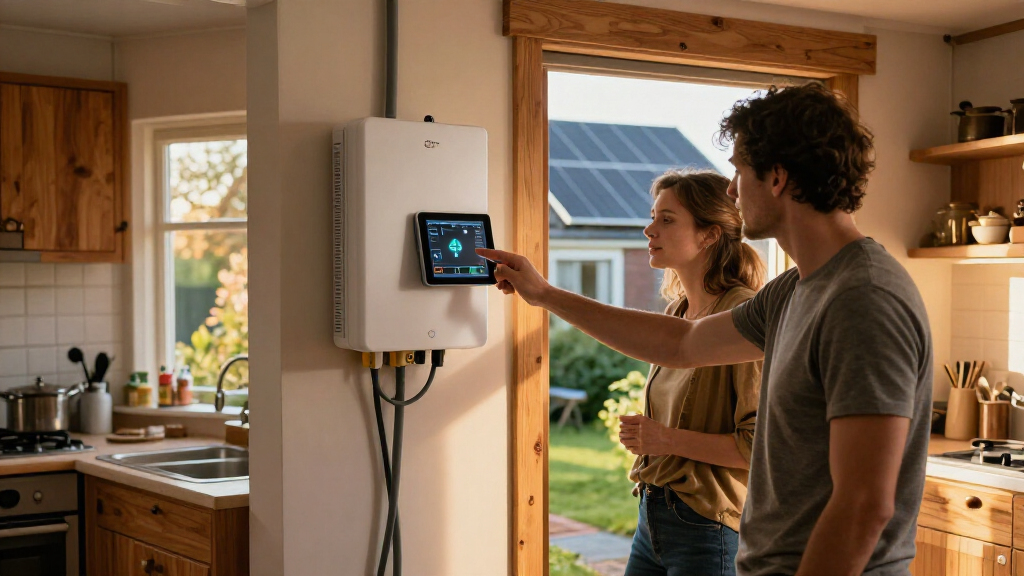
Residential battery sales in the Netherlands more than doubled over the past nine months as households prepare for the end of net metering on Jan. 1, Sunergy Research reported. The Dutch energy supplier said plug-in batteries have become the largest category in the home storage market, in a shift that could affect how solar owners use and value the electricity they generate.
Sunergy Research said installations of batteries with capacity of up to 5 kWh were more than four times higher in September than in January. Installations of larger systems, from 5 kWh to 15 kWh, nearly tripled over the same period. The figures describe changes in installations, not a count of total batteries sold or installed; the report did not provide market totals.
The company said installations of plug-in batteries more than doubled in nine months, making them the biggest residential category. It describes these products as a relatively new segment that can serve households seeking smaller storage systems. Sunergy’s guide says a plug-and-play system of about 5 kWh may suit a home with around six solar panels and no heat pump or electric-vehicle charger, with prices starting at about €1,000.
For households with higher electricity needs, the guide points to permanently installed systems of 5 kWh to 20 kWh, with prices starting at about €4,000. It suggests that typical single-phase installations may use 5 kWh to 10 kWh, while three-phase systems may use 10 kWh to 20 kWh. Those are guide recommendations, not a guarantee that a given size will suit every household.
Why Solar Owners Are Buying Storage
The sales increase comes as the current net-metering scheme is due to end on Jan. 1. Under the scheme, households have been able to offset electricity they send to the grid against electricity they use. With the policy ending, the value of exported solar power is expected to fall, according to Sunergy, making it more valuable for households to use more of their own generation when it is available.
Sunergy Research CEO Rolf Heynen said the average Dutch household uses about 30% of the solar electricity it generates and exports the remaining 70%. He said a home battery could potentially raise self-consumption to around 70%. That figure is a potential outcome cited by Heynen, not a measured result for all battery owners; actual performance will depend on generation, demand, storage capacity and system controls.
For consumers, the policy change makes battery costs and expected savings more consequential. Sunergy’s guide cites estimated payback periods of two to 15 years and annual savings of about €200 to €1,000 for permanently installed systems. These are estimates, not guaranteed returns. Household consumption, energy tariffs, installation costs and battery use can all affect whether a system pays off.
Products Worth Considering

LG S90TR 7.1.3‑Channel OLED Evo TV Matching Home Theater Soundbar (Black)

eufy Security SoloCam E42 4K Solar Security Camera with AI Motion Tracking

eufy Security 4G LTE Cam S330 4K Solar Outdoor Camera with Pan and Tilt, AI Tracking, SIM Card and 32GB SD Card
As an affiliate, we earn on qualifying purchases.
Net Metering Ends at Year’s Turn
The Netherlands is scheduled to abolish net metering for residential solar on Jan. 1, 2027. In an interview with Energy Storage, Heynen said the change will alter the consumer case for solar and storage. He also cited dynamic electricity tariffs, public debate about the balancing market and variable grid tariffs planned to start in 2029 as factors making household energy decisions more complex.
Sunergy has published a free, 33-page Home Batteries Selection Guide aimed at solar owners considering storage. It advises households to account for electricity use, solar production patterns, inverter capacity, backup-power needs and possible electricity trading when choosing a system. The guide also cautions that oversized batteries may be recommended and could weaken investment returns.
The publication describes energy management systems as tools for coordinating solar generation, battery charging and household consumption. It also identifies electricity trading, grid balancing and congestion management as possible additional revenue sources. The report does not establish that households will earn income from these services or quantify likely returns.
“Net metering will end on Jan. 1, and the market will change drastically for consumers.”
— Rolf Heynen, Sunergy Research CEO, speaking to Energy Storage
Battery Returns Remain Household-Specific
The reported increases show a strong rise in installations over a nine-month period, but Sunergy did not provide absolute sales or installation totals, its detailed methodology, or a breakdown by region. The figures therefore do not establish the overall size of the Dutch residential battery market or how much of the growth is directly attributable to the approaching end of net metering.
It is also not yet clear what compensation households will receive for exported electricity after the scheme ends, or how future tariff changes will affect battery economics. Sunergy’s payback and savings estimates depend on assumptions that are not fully set out in the supplied report. Actual outcomes will vary, and possible revenues from trading or grid services are not assured.
What Households Should Check Next
The immediate milestone is the scheduled end of net metering on Jan. 1, 2027. Households considering storage will need to compare available export compensation and electricity tariffs with their own usage and solar production, rather than rely on a single headline payback estimate.
Sunergy’s guide recommends sizing a battery around household demand, solar output, inverter capacity and any backup-power needs. It also advises checking compatibility, expandability and insurance requirements, and recommends professional installation for permanently installed systems. The report does not provide a forecast for battery sales after the policy change takes effect, so whether the current growth continues remains to be seen.
Key Questions
When will Dutch net metering end?
The residential net-metering scheme is scheduled to end on Jan. 1, 2027, according to the report.
How much have residential battery installations increased?
Sunergy Research said total residential battery sales more than doubled over nine months. Installations of systems up to 5 kWh were more than four times higher in September than in January, while installations of 5 kWh to 15 kWh systems nearly tripled. The report did not give absolute installation totals.
Which battery type is the largest category?
Sunergy Research said plug-in batteries are the largest category in the residential market and that their installations more than doubled over nine months.
How much can a home battery save?
Sunergy’s guide cites estimated annual savings of about €200 to €1,000 for permanently installed systems and payback periods of two to 15 years. These are estimates, not guaranteed results; savings depend on household circumstances and energy costs.
Does the reported growth prove that batteries will pay off?
No. Rising installations show increased demand, but they do not establish the return for an individual household. Sunergy says system size, electricity consumption, solar generation, tariffs and battery operation affect the economics.
Source: ess-news.com