
TL;DR

Get backup power and energy gear delivered free with Prime
- Fast, free delivery on millions of items
- Prime Video, Amazon Music and more included
- Member-only deals all year
A single video can produce a complete set of publishing assets—ebooks, social posts, newsletters—entirely offline. This approach prioritizes privacy, ownership, and control over collaboration tools. It’s a game-changer for independent creators who value autonomy.
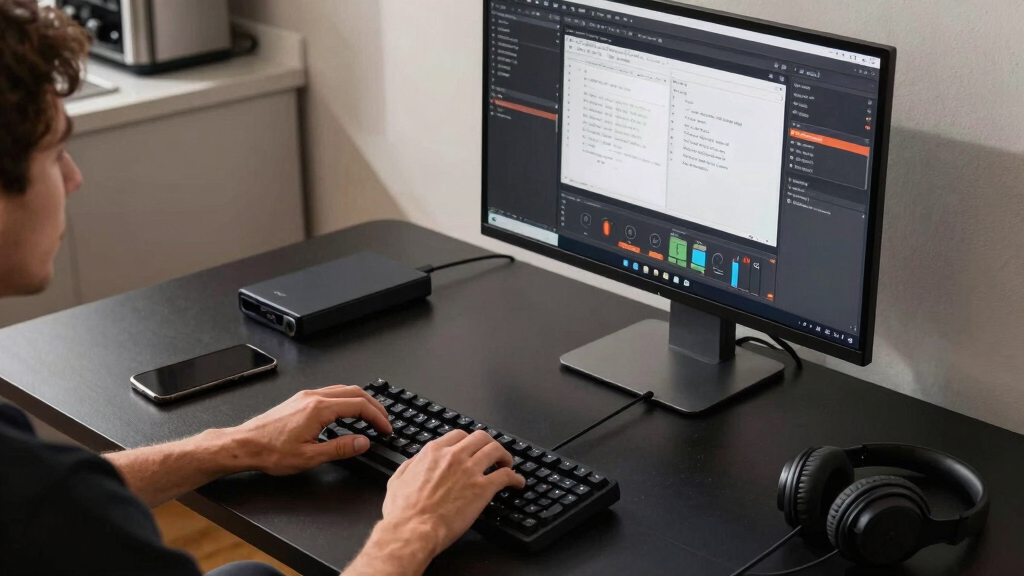
Imagine finishing a video and having a full set of assets ready to publish—without ever uploading to the cloud. No waiting for cloud servers, no data leaks, just you, your machine, and your content. That’s the promise behind tools that turn one video into a complete publishing kit, all offline.
This isn’t about cloud collaboration or live editing. It’s about control—your media, your workflow, your assets. You’ll learn how this approach works, what it can produce, and why more creators are turning back to local workflows to stay private and independent.
Key Takeaways
- A single video can generate a full suite of publishing assets—titles, social clips, transcripts, and more—using offline tools.
- Keeping everything local ensures full ownership, privacy, and control over your content, free from cloud reliance.
- Automated drafts save time, but you retain full editing power—your voice, your brand.
- Offline workflows support serialized publishing, direct sales, and print-on-demand, aligning with modern independent publishing trends. Discover more at homefixfit.com.
- Tradeoffs include less instant collaboration; however, for many solo creators, control and privacy outweigh this.
What does ‘one video in, a full publishing kit out’ really mean?
This phrase means transforming a single video into all the assets needed for a multi-channel launch—titles, descriptions, social snippets, blog drafts, transcripts, and more—using local tools. Think of it as a factory: feed in your raw footage, and get a box full of ready-to-publish content.
For example, post-production can yield a YouTube title, a TikTok clip, a newsletter intro, and a blog outline, all generated from the raw video. You can learn more about offline publishing workflows at geekvintage.com. The key? Every step is done offline, with your files stored safely on your device.
What outputs can you get from just one video?
| Asset Type | What It Is | Example |
|---|---|---|
| Titles & Descriptions | SEO-optimized titles, detailed descriptions, tags | ‘How to Grow Your Channel’ with a catchy hook |
| Social Clips | Short, vertical snippets for TikTok, Reels, Shorts | 15-second highlight from the video showing a key tip |
| Transcripts & Captions | Full text, captions, blog drafts | Transcript to draft a blog post or eBook chapter |
| Newsletter & Blog Content | Summaries, outlines, article briefs | Weekly newsletter intro based on the video |
| Promo Assets | Thumbnails, hook images, social posts | Bright thumbnail with overlay text |
How does this work without the cloud? Is it really offline?
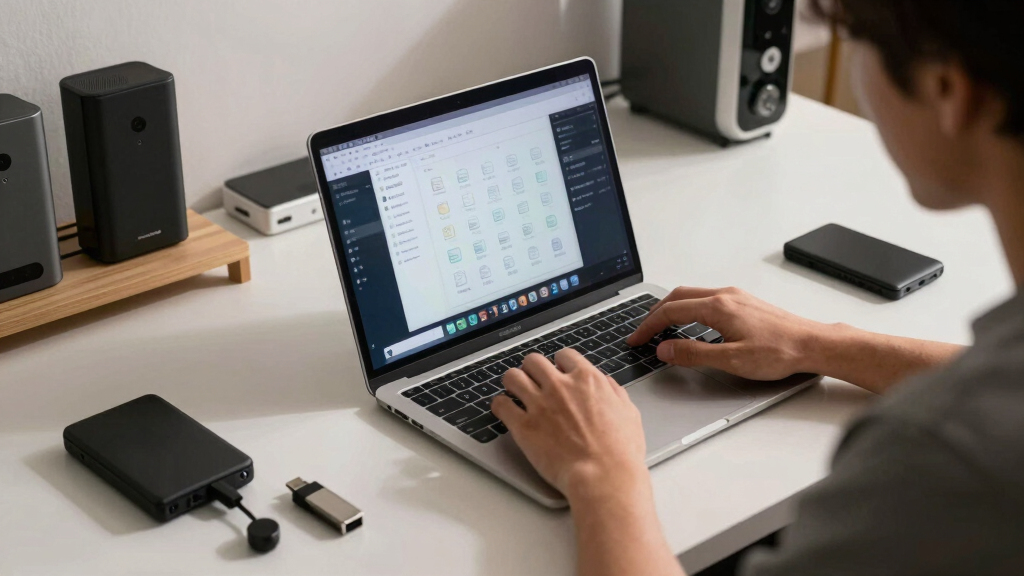
Yes, it’s entirely offline. The secret lies in local processing—your computer handles everything, from transcribing audio to analyzing visuals and generating assets. No internet needed after initial setup.
For example, you can run tools like ChannelHelm directly from your laptop. All data stays on your device, ensuring privacy and ownership. This setup is perfect if you work in low-connectivity environments or want to keep your content private.
It’s a different mindset from cloud-based tools, which focus on collaboration, real-time edits, and disaster recovery. For more on cloud vs. offline workflows, see cleanerslink.com. Here, control and privacy come first.

Why is staying local a smart move for creators?
Staying local means you own all your assets and data. No third-party servers storing your content, no reliance on external providers. It’s the difference between owning a house and renting an apartment.
Imagine you finish a video and want to publish it across multiple platforms—YouTube, Instagram, LinkedIn, TikTok, and more. Doing this locally lets you customize each asset without risking your content getting lost or leaked.
Plus, you avoid cloud subscription fees that can add up over time. It’s a more sustainable, privacy-conscious approach that gives you total control.

What file formats and assets can you produce?
From one raw video, you can generate a variety of formats:
- Text files: transcripts, blog drafts, scripts
- Image assets: thumbnails, social posts
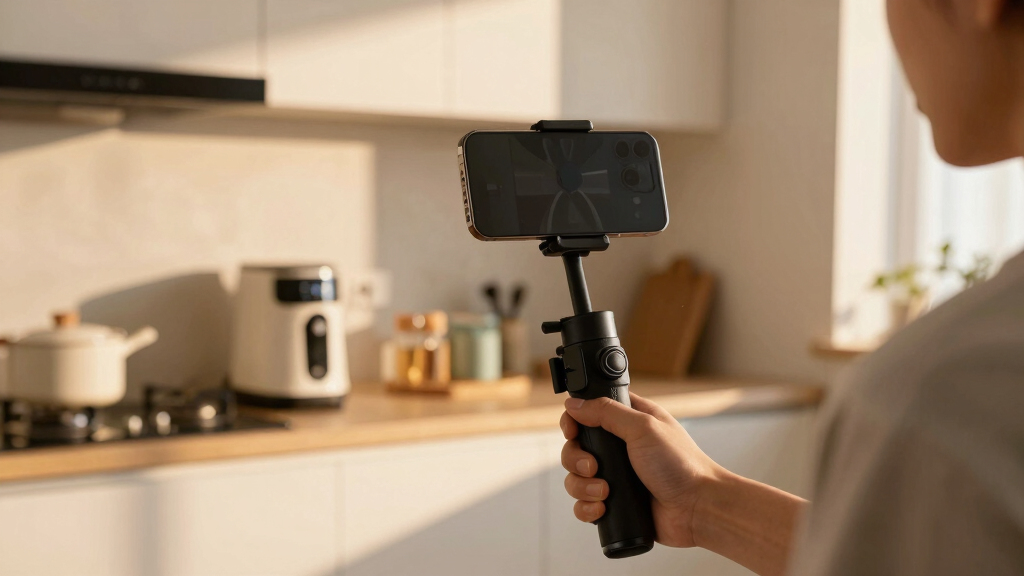
- Video clips: short highlights, promos, vertical cuts
- Documents: ebooks, PDFs, newsletters
- Audio snippets: clips for podcasts or audiograms
This flexibility allows you to repurpose content quickly and efficiently. For instance, a 20-minute interview can become a blog post, a series of social snippets, and a downloadable PDF—all crafted from the same source.
How automated is the process? Can I still edit everything?
Automation speeds up your workflow, but you’re still in control. Tools like ChannelHelm generate drafts, but you review, tweak, and approve each asset. It’s like having a smart assistant that handles the grunt work.
For example, the system might suggest five titles scored by relevance. You pick or modify them before publishing. Or you regenerate a social post if you want a different tone.
This balance means you save time without sacrificing your voice or brand identity.

What’s the real advantage of a local, offline workflow?
The biggest win? Privacy and ownership. Your content stays on your machine, free from cloud vulnerabilities. Plus, you can work anywhere—no internet, no restrictions.
Imagine being at a remote location, like a workshop or a retreat, and still producing high-quality assets. Or working in a country with strict data laws. Offline workflows give you freedom and peace of mind.
While cloud tools excel in collaboration and instant updates, offline workflows excel in independence and security. Learn more about secure offline publishing at security-zone.info.

How does this approach support modern publishing trends?
Today’s creators often publish in smaller chunks—serials, newsletters, chapters—building audience engagement over time. Offline tools enable this by letting you generate content on demand, then release it gradually.
For instance, you can produce a series of mini-videos, each with its own social assets, all prepared offline. Then, publish weekly or monthly, keeping your audience hooked.
It aligns with the shift toward subscription models, serialized releases, and multi-channel storytelling, all while keeping your work private and controlled.

What are the tradeoffs of going offline? Is it slower or less collaborative?
Yes, offline workflows may lack the instant collaboration features of cloud tools. You won’t get live version histories or real-time editing with multiple team members.
However, the tradeoff is greater privacy, ownership, and independence. You control every asset, every draft, every version—on your terms.
If you work solo or prefer a private environment, offline workflows can actually be faster—no waiting for uploads or syncs, just straightforward editing on your machine.
Can this support print-on-demand and direct sales?
Absolutely. Once you have your assets—ebooks, PDFs, cover images—you can upload them directly to print-on-demand platforms like Amazon KDP or Lulu. No cloud dependency is needed for the creation process.
This means you retain full control over your files and sales channels, avoiding third-party restrictions or fees. Plus, with a local workflow, you can prepare multiple formats for different platforms without hassle.

Who should consider this approach?
This workflow is ideal for solo creators, educators, coaches, and small publishers who prioritize privacy and control. If you want to produce diverse assets without relying on cloud services, it’s a perfect fit.
It’s also great for those working in restricted environments or with sensitive content. Even teams can use it if they prefer local, shared folders instead of cloud collaboration.
For example, a fiction author serializing chapters or a course creator making multimedia lessons can benefit from this modular, offline approach.
Frequently Asked Questions
What exactly does ‘one video in, a whole publishing kit out’ mean?
It means transforming a single raw video into all the assets needed for multi-channel publishing—titles, social clips, transcripts, blog drafts—using local tools, without uploading anything to the cloud.
Yes. From one source video, you can generate various formats like ebooks, social media snippets, blog drafts, and newsletters, all created offline for maximum control.
How do I do this without relying on cloud software?
By using local processing tools—such as ChannelHelm—that analyze your video, generate assets, and store everything on your device. No internet connection needed after setup.
Is this better for privacy and ownership?
Absolutely. Your content stays on your machine, giving you full control and reducing risks associated with third-party cloud storage or data leaks.
What are the limitations compared to cloud-based tools?
Offline workflows may lack real-time collaboration and instant version control. However, they excel in privacy, ownership, and independence, especially for solo creators.
Conclusion
Choosing an offline, local workflow isn’t about rejecting technology—it’s about reclaiming control. You turn one raw video into a full publishing kit, all on your terms, with privacy intact. It’s a powerful way to stay independent in a world increasingly dominated by cloud services.
So, ask yourself: what do you value more—speed and collaboration or ownership and privacy? The answer might just redefine how you create and publish forever.

Halloween Picks
halloween
As an affiliate, we earn on qualifying purchases.