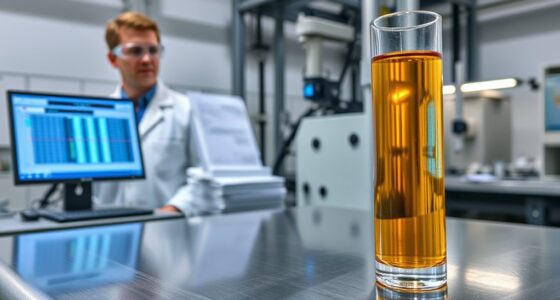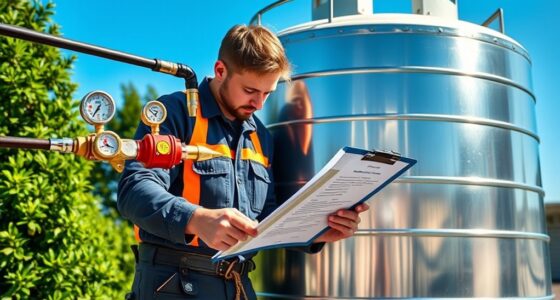
To integrate fuel monitoring sensors and gauges effectively, you need to guarantee proper calibration so the system provides accurate fuel level data. This involves inputting known measurements and fine-tuning sensor outputs for your specific tank. Clear visualization displays help you interpret the data easily, while seamless data flow between sensors and dashboards ensures real-time updates. Proper integration improves reliability, preventing surprises on the road—keep exploring to discover how calibration and visualization enhance your system’s performance.
Key Takeaways
- Ensure proper calibration of sensors to provide accurate fuel level readings and prevent discrepancies.
- Use data visualization tools like digital displays or graphs for clear, real-time fuel monitoring.
- Integrate sensors with vehicle dashboards and external systems for seamless data flow and remote access.
- Regularly perform calibration checks to maintain sensor accuracy over time and improve system reliability.
- Combine calibration and visualization techniques to optimize fuel management and enhance overall system performance.
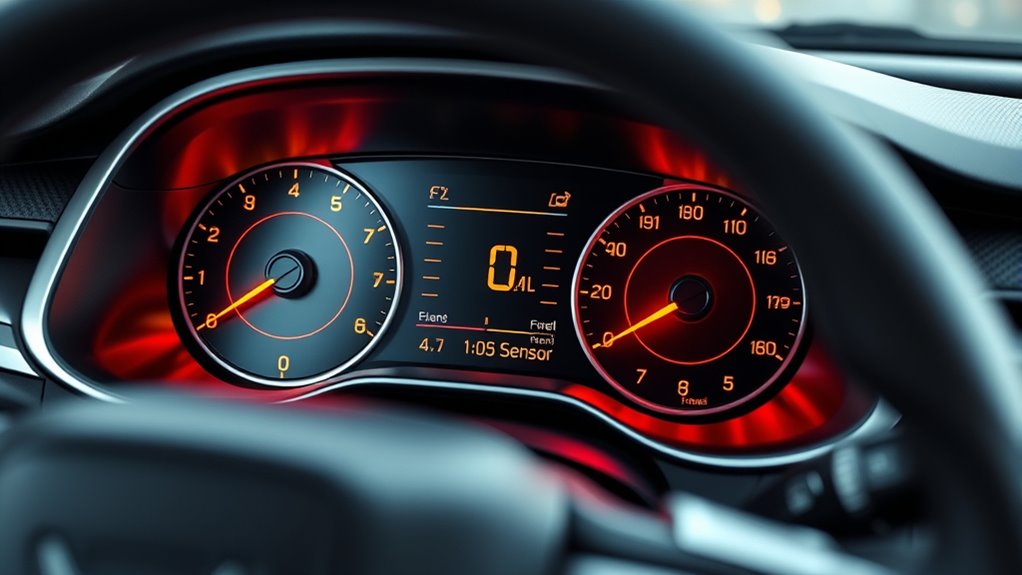
Fuel monitoring sensors and gauges play a pivotal role in helping you keep track of your vehicle’s fuel levels accurately. When you install these systems, it’s fundamental to focus on proper sensor calibration. Calibration ensures that the sensor readings truly reflect the actual fuel quantity in your tank, preventing discrepancies that could lead to running out unexpectedly or overestimating your fuel reserves. Most sensors require a calibration process where you input known fuel measurements to fine-tune their accuracy. This step is essential because even small misalignments can cause significant errors over time, especially in vehicles with larger tanks or unconventional fuel configurations. Regular calibration checks help maintain precision, ensuring your gauge readings remain reliable and trustworthy. Additionally, understanding the role of contrast ratio in image quality can be analogous to recognizing how calibration impacts the accuracy of your fuel gauges, emphasizing the importance of fine-tuning for optimal performance.
Data visualization is another critical aspect of integrating fuel monitoring sensors effectively. Once your sensors are calibrated and functioning properly, the data they collect needs to be presented in a way that’s easy to interpret. Modern gauges and digital displays convert raw sensor data into clear visual cues—like digital readouts, graphs, or color-coded indicators—that let you quickly assess your fuel status at a glance. Good data visualization not only improves usability but also enhances safety, as you can make better-informed decisions about when to refuel or plan your routes accordingly. For example, a well-designed digital display might highlight a low fuel warning in red or show a graphical trend of fuel consumption over time, helping you identify patterns and optimize your driving habits.
Integrating fuel sensors with your vehicle’s existing systems also involves guaranteeing seamless data flow. The sensors should communicate efficiently with your dashboard or external monitoring devices, providing real-time updates without lag. Proper integration reduces the risk of data mismatch or delays, which can be critical in fleet management or commercial applications. Advanced systems may even allow remote monitoring, giving you access to fuel data via mobile apps or cloud-based platforms. This connectivity relies heavily on accurate sensor calibration and robust data visualization tools, making sure that the information you receive is both precise and easy to interpret.
Frequently Asked Questions
How Do Sensor Calibration Processes Affect Measurement Accuracy?
Sensor calibration processes directly affect measurement accuracy by correcting for sensor drift, which can cause readings to become inaccurate over time. Regular calibration intervals are essential to maintain precision, ensuring sensors provide reliable data. If you neglect calibration, your measurements may drift further from actual values, leading to errors. By adhering to proper calibration schedules, you keep your fuel monitoring sensors accurate, helping you make informed decisions about fuel management and system performance.
What Are the Maintenance Requirements for Fuel Monitoring Sensors?
You need to regularly check your fuel monitoring sensors to ensure their sensor lifespan remains ideal. Follow proper installation procedures during setup to prevent early wear or failure. Keep sensors clean and free from debris, and perform periodic calibration checks to maintain measurement accuracy. Replacing sensors as recommended by the manufacturer helps avoid malfunctions. Proper maintenance ensures your sensors provide reliable data and extend their overall lifespan, saving you time and costs.
Can Sensors Detect Fuel Quality Issues or Contaminants?
Imagine your fuel sensor as a vigilant guard, always on the lookout. Yes, it can detect fuel quality issues and contaminants through specialized sensors. Proper fuel sensor calibration guarantees accurate readings, helping you spot contaminants early. These sensors monitor for impurities and water, alerting you to potential fuel problems. Regular calibration and maintenance keep your sensor sharp, so you catch fuel quality issues before they cause costly engine damage.
How Do Environmental Factors Impact Sensor Performance?
Environmental interference can substantially impact sensor performance by causing false readings or malfunctions. Factors like extreme temperatures, humidity, dust, and vibrations challenge sensor durability, making them less reliable over time. You should regularly check and calibrate sensors, protect them with appropriate enclosures, and select sensors designed to withstand your specific environmental conditions. Doing so ensures accurate fuel monitoring and prolongs sensor lifespan, preventing costly errors or downtime.
What Are the Integration Steps With Existing Vehicle Systems?
Think of integrating sensors like fitting a puzzle piece. You start by choosing ideal sensor placement to ensure accurate data collection. Then, you connect the sensors to your vehicle’s existing systems through data integration, guaranteeing seamless communication. Calibration is essential to match sensor outputs with system parameters. Regular testing and updates keep everything running smoothly, turning raw data into actionable insights without disrupting your vehicle’s core functions.
Conclusion
By integrating fuel monitoring sensors and gauges, you’re opening a future where running out of fuel becomes an ancient myth. Imagine never having to guess your tank’s level again—your vehicle will practically read your mind and keep you perfectly informed. Say goodbye to unexpected stops and hello to endless journeys with confidence. With these technologies, you’ll dominate the roads and turn every trip into a smooth, worry-free adventure. The future of fuel management is in your hands—literally!