

Fuel maintenance contracts and services help you keep your engines running smoothly by providing routine inspections, cleaning, and fuel testing. They prevent contaminants, reduce wear, and improve fuel efficiency, which saves you money and avoids costly repairs. Regular monitoring ensures your fuel stays clean and meets quality standards, boosting machine reliability. By adopting a preventative approach, you can minimize downtime and extend equipment lifespan. For more tips on optimizing your fuel system, keep exploring how these solutions can benefit you.
Key Takeaways
- Fuel maintenance contracts provide scheduled inspections, cleaning, and repairs to ensure optimal fuel system performance and longevity.
- Regular fuel quality monitoring eliminates contaminants, preventing engine issues and improving efficiency.
- Preventative services reduce unexpected breakdowns, extend component lifespan, and lower long-term repair costs.
- Customized plans address specific industry needs, enhancing operational efficiency and regulatory compliance.
- These contracts help maintain fuel quality, improve machinery performance, and achieve significant cost savings over time.
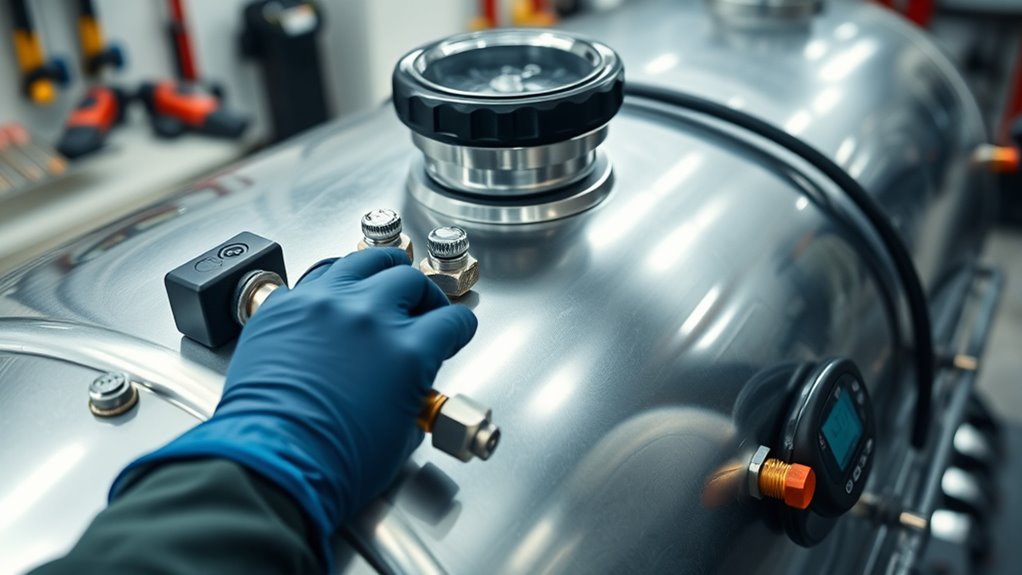
Are you looking for reliable ways to guarantee your fuel systems stay in peak condition? Implementing a thorough fuel maintenance contract can be exactly what you need. Regular maintenance is essential for ensuring maximum fuel efficiency and maintaining high fuel quality. When your fuel system is properly serviced, you reduce the risk of contaminants, clogs, and wear that can compromise performance and lead to costly repairs down the line. These contracts typically include routine inspections, cleaning, and repairs, all designed to keep your fuel equipment operating smoothly. By proactively managing your fuel system, you can avoid unexpected breakdowns and extend the lifespan of your components.
Implement a fuel maintenance contract to ensure peak system performance and longevity.
Fuel quality plays an essential role in the overall performance of your engine or machinery. Contaminants like dirt, water, or microbial growth can degrade fuel, causing inefficient combustion and increased emissions. A good fuel maintenance service will include testing and treating your fuel to eliminate impurities, ensuring it meets required standards. This not only boosts fuel efficiency but also helps your equipment run cleaner and more reliably. When fuel quality is compromised, you might notice decreased power, higher fuel consumption, or engine misfires. Regular monitoring and treatment through a maintenance contract can prevent these issues, saving you money and downtime.
One of the biggest advantages of signing up for a fuel maintenance contract is the consistency it provides. Instead of reacting to problems as they arise, you’ll have scheduled, preventative care that keeps your system performing at its best. This proactive approach minimizes the chance of sudden failures, which can disrupt your operations and lead to costly emergency repairs. Additionally, many service providers offer customized plans tailored to your specific industry needs, whether you operate a fleet of vehicles or manage large-scale industrial equipment. These plans often include fuel filtration, additive treatments, and system inspections, all aimed at maintaining top fuel conditions.
Furthermore, investing in professional fuel maintenance can improve your overall fuel efficiency. When your fuel systems are free of contaminants and operating correctly, your machinery uses fuel more effectively. This translates into cost savings over time, especially as fuel prices continue to fluctuate. Proper fuel system maintenance is crucial for optimizing performance and preventing corrosion or buildup that can impair function. Consistent maintenance also helps you comply with environmental regulations by reducing emissions caused by poor fuel quality. With a reliable service provider managing your fuel systems, you gain peace of mind that your equipment is running efficiently, cleanly, and sustainably. Ultimately, a well-maintained fuel system means better performance, lower operating costs, and longer-lasting machinery.
Frequently Asked Questions
How Are Fuel Maintenance Contracts Customized for Different Industries?
You customize fuel maintenance contracts by considering industry-specific solutions and your unique operational needs. For example, transportation companies focus on fuel efficiency and rapid service, while manufacturing plants prioritize storage and safety. Using customization considerations, you tailor the contract’s scope, response times, and service levels to match your industry’s demands. This ensures peak fuel management, reduces costs, and improves overall efficiency, giving you a tailored approach that aligns with your industry’s specific requirements.
What Are the Typical Costs Associated With Fuel Maintenance Services?
Are you wondering about the typical costs? You’ll find that pricing structures vary based on service scope, which can include fuel testing, filter replacements, and system inspections. Costs generally range from fixed monthly fees to variable charges depending on service frequency and complexity. Keep in mind, tailored contracts might have higher upfront costs but can save you money long-term by preventing costly fuel issues.
How Do Contracts Address Emergency Fuel System Failures?
Your contract typically includes emergency preparedness clauses that specify how quickly the service provider responds to fuel system failures. When an emergency occurs, they prioritize your needs, ensuring rapid service response to minimize downtime. These contracts often guarantee on-site assistance within a designated timeframe and provide 24/7 support, so you’re always covered. This way, you’re prepared for unexpected failures, and help arrives promptly when you need it most.
Can These Services Be Integrated With Existing Fuel Management Systems?
Yes, these services can be integrated with your existing fuel management systems. They often include options for fuel system upgrades and maintenance scheduling, making it easier to monitor and manage fuel operations efficiently. By combining these services, you guarantee seamless communication between your systems, reducing downtime and preventing failures. This integration helps you stay proactive with maintenance, optimize fuel usage, and maintain reliable operations.
What Are the Key Factors Influencing Contract Renewal Decisions?
When deciding on renewing a contract, you primarily consider pricing strategies and customer satisfaction. If the costs remain competitive and the service quality meets your expectations, you’re more likely to renew. You also evaluate the responsiveness of the provider and how well they adapt to your needs. High customer satisfaction and transparent pricing strategies build trust, making contract renewal a straightforward decision. Keep these factors in mind to guarantee ongoing value and partnership success.
Conclusion
Choosing the right fuel maintenance contract can save you more time, money, and headaches than you ever thought possible. With reliable services, you’ll avoid costly breakdowns and keep your operations running smoother than a well-oiled machine. Don’t wait until a minor issue turns into a catastrophic failure—trust the experts to handle your fuel needs. Remember, investing in proper fuel maintenance isn’t just smart; it’s the secret weapon to dominating your industry like a true champion.