Dual fuel systems boost your energy resilience by giving you the flexibility to switch between fuels quickly during disruptions or market fluctuations. They help guarantee your operations stay continuous by reducing dependency on a single supply, lowering operational risks, and enhancing security. With advanced control technologies, you can monitor fuel quality and optimize performance. If you want to learn how these systems can safeguard your energy network, keep exploring the benefits they offer.
Key Takeaways
- Dual fuel systems enable seamless switching between fuels, ensuring continuous energy supply during disruptions or fuel shortages.
- They diversify fuel sources, reducing dependency on a single supply chain and enhancing overall energy security.
- Advanced control and monitoring technologies optimize performance, improve reliability, and support environmental compliance.
- Flexibility in fuel choice allows economic optimization, safeguarding operations against market volatility.
- Implementing dual fuel systems builds resilient energy infrastructure capable of adapting to external shocks and future uncertainties.

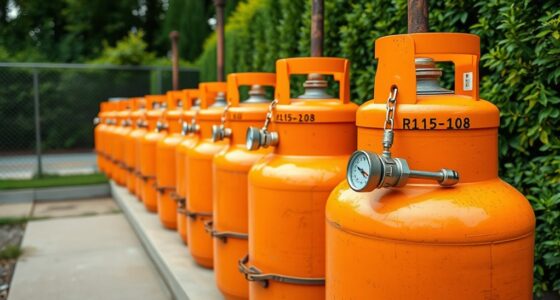
Have you ever wondered how essential energy systems stay resilient during unexpected disruptions? It all comes down to strategic planning and technological innovation, especially when it involves dual fuel systems. These systems combine two different fuel sources—typically natural gas and diesel or other fuels—allowing operators to switch seamlessly between them. This fuel flexibility ensures that energy production isn’t halted when one fuel source becomes scarce or unreliable. When you implement a dual fuel setup, you’re enhancing energy security, meaning your operations can continue smoothly regardless of supply chain disruptions or price fluctuations. You don’t have to rely solely on a single fuel, which might be vulnerable to geopolitical issues, weather events, or infrastructure failures. Instead, you’re creating a resilient network that adapts to changing circumstances, maintaining continuous power and avoiding costly downtimes.
Fuel flexibility is a major advantage of dual fuel systems. By designing your energy infrastructure to handle multiple fuel types, you gain the ability to switch fuels quickly and efficiently. For instance, if natural gas supplies are interrupted due to pipeline issues or maintenance, you can switch to diesel without shutting down your plant. This flexibility minimizes operational risks and ensures a steady energy supply, even during crises. It also provides economic benefits, as you can take advantage of fluctuating fuel prices by choosing the most cost-effective option at any given time. This adaptability becomes especially critical when energy markets experience volatility, giving you greater control over your energy costs and supply stability.
Fuel flexibility allows quick, efficient fuel switches, ensuring reliable energy supply during crises and market fluctuations.
Moreover, fuel flexibility in dual fuel systems doesn’t just serve economic or supply chain concerns—it substantially boosts your overall energy security. By diversifying your fuel sources, you reduce dependency on a single supply chain, decreasing the risk of complete shutdowns. This is particularly crucial for critical infrastructure, manufacturing plants, or utilities that cannot afford interruptions. When disruptions occur, your ability to switch fuels swiftly means your operations stay resilient, safeguarding your business continuity and reputation. Additionally, dual fuel systems often incorporate advanced control technologies that monitor fuel quality and consumption, further optimizing performance and reducing waste. As a result, you’re better equipped to handle unexpected disruptions, maintain compliance with environmental standards, and ensure long-term sustainability. Incorporating advanced monitoring systems can further enhance the reliability of your dual fuel setup.
In essence, dual fuel systems foster a resilient energy environment by combining fuel flexibility with a focus on energy security. They enable you to adapt to an unpredictable world, ensuring that your operations remain stable regardless of external shocks. By investing in this technology, you’re not just enhancing your current energy resilience—you’re future-proofing your enterprise against the uncertainties of tomorrow’s energy landscape.
Frequently Asked Questions
How Do Dual Fuel Systems Impact Overall Energy Costs?
Dual fuel systems can substantially impact your overall energy costs by providing greater cost savings and boosting energy efficiency. With the ability to switch between fuels, you can optimize energy use based on prices and availability, reducing fuel expenses. This flexibility ensures you’re not over-reliant on a single energy source, leading to more efficient operation and lower bills while maintaining reliable energy supply during peak or off-peak times.
What Are the Environmental Benefits of Dual Fuel Technology?
Your dual fuel system is a game-changer for the environment, drastically reducing emissions and boosting renewable integration. By switching seamlessly between fuels, you cut down on greenhouse gases and reliance on fossil fuels, making a significant impact. It’s like giving the planet a fresh gust of air every day. This technology helps you contribute to a cleaner, greener future while optimizing energy use efficiently and sustainably.
How Safe Are Dual Fuel Systems During Power Outages?
During power outages, dual fuel systems are generally safe if you follow proper generator safety procedures. They’re designed for fuel compatibility, reducing risks of leaks or malfunctions. Always guarantee proper ventilation and regular maintenance, and only operate the generator outdoors. By adhering to these safety measures, you minimize hazards and keep your system running smoothly, providing reliable backup power when you need it most.
Can Existing Systems Be Upgraded to Dual Fuel?
Yes, you can upgrade your existing system to dual fuel, but you need to make certain the system compatibility first. You’ll also need to follow proper installation procedures, which might involve adding a transfer switch and connecting the generator to your fuel supply. It’s best to consult a professional technician who can assess your current setup, recommend necessary modifications, and ensure a safe, efficient upgrade to dual fuel operation.
What Maintenance Is Required for Dual Fuel Setups?
You need to follow a regular maintenance schedule for your dual fuel setup, checking fuel compatibility and system performance. This includes inspecting fuel lines, filters, and valves, and cleaning or replacing parts as needed. Guarantee your fuel sources are compatible to prevent damage. Regularly test the system to confirm it switches smoothly between fuels, maintaining ideal operation and avoiding unexpected failures. Proper upkeep keeps your dual fuel system reliable and efficient.
Conclusion
By embracing dual fuel systems, you build a safety net that keeps your operations running smoothly, even when one fuel source runs dry. Think of it as having a trusted friend who’s always there in your corner, ready to catch you when you stumble. This resilience isn’t just about technology; it’s about peace of mind. With dual fuel, you stand stronger against uncertainties, turning challenges into opportunities for growth and stability.