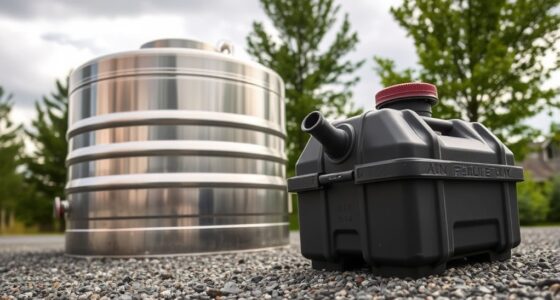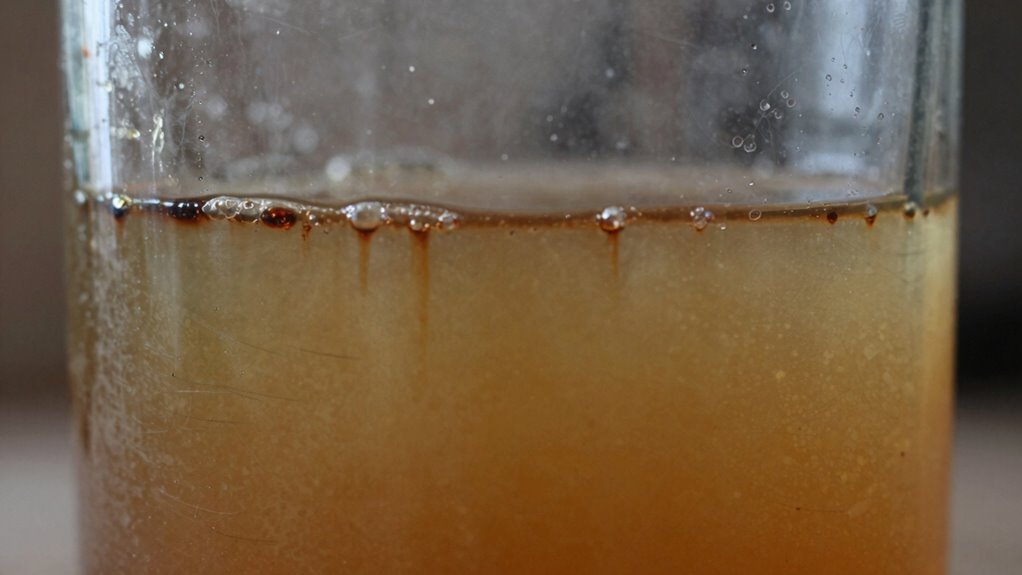

When you store diesel, it naturally ages due to chemical changes like oxidation, which produces gums and sediments that can clog filters and injectors. Temperature fluctuations speed up deterioration, with heat causing unstable compounds and cold making waxes solidify, potentially blocking fuel lines. Contamination from microbes or rust can also develop if tanks aren’t sealed or maintained properly. If you want to understand how to slow this process and keep your fuel in top condition, keep exploring the details.

Get backup power and energy gear delivered free with Prime
- Fast, free delivery on millions of items
- Prime Video, Amazon Music and more included
- Member-only deals all year
Key Takeaways
- Diesel undergoes oxidation when exposed to air, heat, or light, forming gums and sediments that degrade fuel quality.
- Temperature fluctuations accelerate chemical reactions, causing faster deterioration and solidification of waxes in cold conditions.
- Microbial growth is promoted by moisture, leading to sludge, biofilms, and microbial contamination in storage tanks.
- Proper storage conditions, including sealed, cool, and stable environments, help slow chemical changes and microbial activity.
- Adding stabilizers and regular tank maintenance extend diesel’s shelf life and prevent significant aging or quality loss.
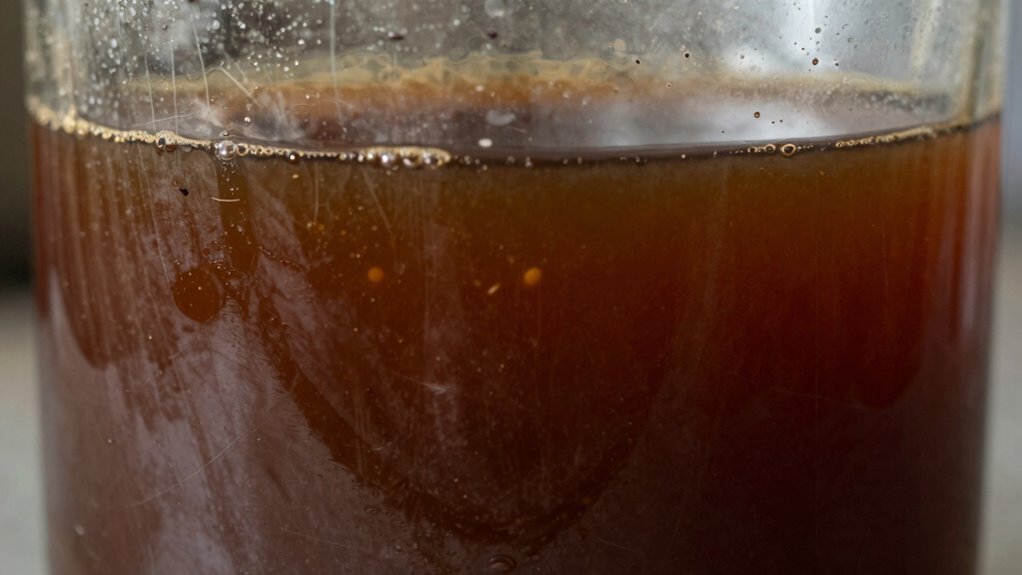
When diesel fuel is stored for extended periods, it undergoes chemical changes that can affect its quality and performance. These changes are influenced heavily by fuel stability, which determines how well the fuel maintains its properties over time. If the storage conditions aren’t ideal, you risk degradation, making the fuel less efficient and potentially damaging your engine when you finally use it. Maintaining ideal storage conditions is essential for preserving fuel stability and ensuring your diesel remains reliable when needed.
Over time, diesel can experience oxidation, especially if exposed to air, heat, or light. Oxidation leads to the formation of gums, varnishes, and sediments that can clog filters and injectors, reducing engine performance. The presence of moisture inside storage tanks accelerates microbial growth, which creates sludge and biofilms that further compromise fuel quality. These microbial contaminants thrive in conditions where water is present, so keeping your storage tanks dry is key to preventing microbial issues. Additionally, ensuring proper tank maintenance helps minimize contamination risks and prolongs fuel shelf life. Regular monitoring of fuel quality is also necessary to detect early signs of deterioration.
Temperature fluctuations also play a significant role in how diesel ages. When storage conditions are inconsistent—alternating between hot and cold—the fuel’s chemical stability deteriorates faster. Heat speeds up oxidation processes and encourages the formation of unstable compounds. Conversely, cold temperatures can cause waxes and paraffins in diesel to solidify, leading to blockages in fuel lines and filters. To maximize fuel stability, you should store diesel in a cool, stable environment, ideally with minimal temperature swings, and keep tanks sealed to prevent moisture ingress. Proper insulation of storage tanks can also help maintain consistent temperatures. Keeping storage tanks in a controlled environment reduces the likelihood of fuel deterioration caused by temperature extremes. Additionally, understanding the chemical composition of diesel can help in selecting appropriate storage strategies.
Another critical aspect of storage conditions is tank material. Metal tanks are prone to corrosion, which can contaminate diesel with rust particles, while certain plastics or composites might better resist chemical interactions. Regularly inspecting tanks and ensuring they are clean and corrosion-free helps maintain the integrity of your stored fuel. Adding stabilizers can also extend the shelf life of diesel by slowing oxidation and inhibiting microbial growth, especially if you anticipate storage periods of several months or more. Understanding storage duration and planning accordingly can help prevent deterioration and ensure fuel quality over time. It’s also beneficial to keep detailed records of storage conditions and fuel batches for quality control. Properly managing these factors can significantly extend the usability and safety of stored diesel fuel.
Frequently Asked Questions
How Does Temperature Affect Diesel Aging?
Temperature markedly impacts diesel aging by affecting fuel stability. When temperatures fluctuate, it accelerates chemical reactions that lead to degradation, forming sediments and gums. Keeping storage temperatures steady helps preserve diesel quality and prevents microbial growth. You should avoid extreme temperature changes, as they speed up aging, reducing fuel efficiency and risking engine problems. Proper storage conditions ensure your diesel remains reliable and maintains its quality over time.
Can Additives Extend Diesel Fuel Shelf Life?
Sure, additives can seem like magic pills for fuel stability, but don’t rely on them alone. While they can improve additive effectiveness and slow aging, they won’t turn old, degraded diesel into fresh fuel. Think of additives as a helpful boost rather than a cure-all. To truly extend your diesel’s shelf life, proper storage conditions matter more than any additive, ensuring your fuel stays reliable when you need it most.
What Are the Signs of Aged Diesel?
You’ll notice aged diesel by signs like fuel contamination, where dirt or water mixes into the fuel. Fuel sedimentation is common, creating sludge that clogs filters and injectors. You might also observe a foul smell or difficulty starting your engine. These signs indicate the fuel has degraded over time, reducing efficiency and risking damage. Regularly inspecting your stored diesel helps catch contamination early and keeps your engine running smoothly.
Does Storage Tank Material Impact Diesel Aging?
Think of your storage tank as a shield guarding your diesel’s importance. The material compatibility of your tank directly influences how well it resists tank corrosion, which can accelerate diesel aging. Using incompatible materials can cause rust and contamination, turning your fuel into a sluggish, tainted mixture. Choosing tanks made from suitable materials preserves diesel quality, keeps it fresh longer, and prevents the aging process from speeding up due to corrosion.
How Often Should Stored Diesel Be Tested?
You should test your stored diesel at least every three to six months to guarantee peak fuel quality. Regular testing helps identify issues caused by storage conditions like contamination, water, or microbial growth. By maintaining a consistent testing schedule, you can detect deterioration early, allowing you to take corrective actions such as filtering or additive treatments. Proper testing ensures your diesel remains reliable and prevents engine problems caused by degraded fuel.
Conclusion
As time gently passes, diesel fuel quietly transforms, settling into a quieter, more subdued state. While it may not sparkle as brightly as when fresh, it still holds its essence, patiently awaiting its moment to serve. With a little care and attention, you can guarantee it remains a reliable partner on your journey. In the end, even in its mellowed phase, diesel continues to be a steadfast companion, ready when you need it most.
Columbus Day / Indigenous Peoples' Day Picks
long weekend sales
As an affiliate, we earn on qualifying purchases.