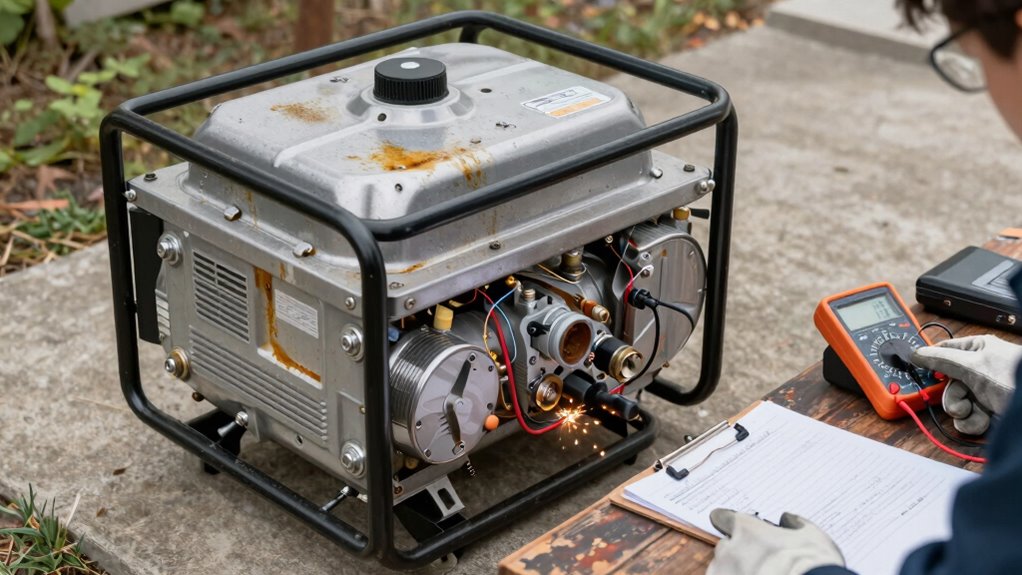

After generator testing, you should document the test details, including date, time, conditions, and any anomalies. Record performance data like voltage, frequency, load, and safety feature responses. Note maintenance performed, parts replaced, and calibration work done. Guarantee safety protocols and compliance standards are verified, and environmental factors like temperature and humidity are considered. Keeping thorough records helps you troubleshoot quickly and maintain ideal operation—if you want more insight, keep exploring these key areas.

Get backup power and energy gear delivered free with Prime
- Fast, free delivery on millions of items
- Prime Video, Amazon Music and more included
- Member-only deals all year
Key Takeaways
- Record all test conditions, including environment, load applied, and any anomalies observed during testing.
- Document voltage, frequency, current readings, and generator response to ensure performance stability.
- Note maintenance performed, parts replaced, calibration details, and adherence to scheduled servicing.
- Verify and record safety feature functionality, alarms, emergency shutoffs, and compliance with regulations.
- Include environmental factors like temperature, humidity, and external influences impacting generator performance.
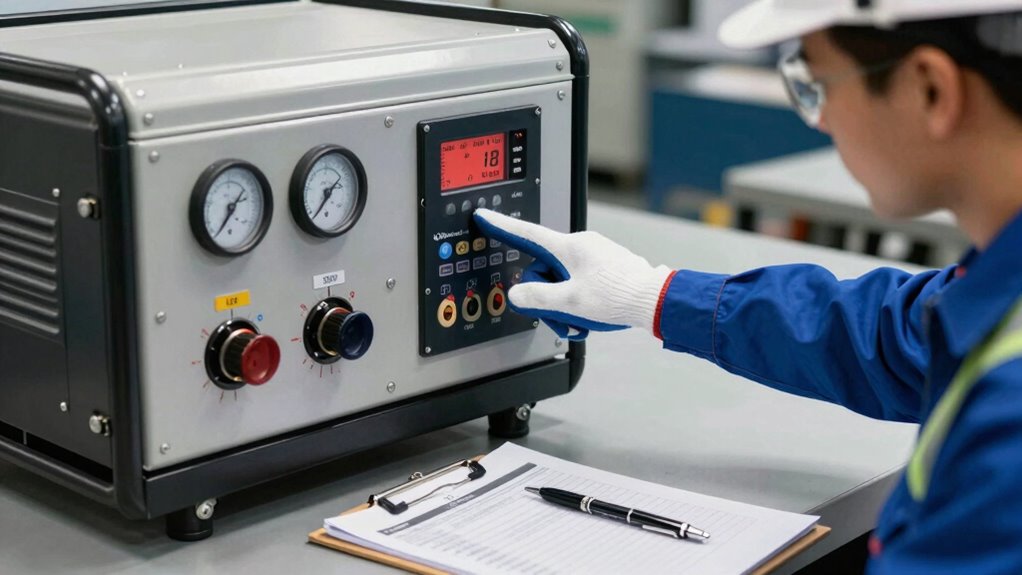
After completing generator testing, it’s essential to document the results thoroughly to guarantee reliable operation and future reference. This step isn’t just about keeping records; it’s about ensuring your generator performs at its best when needed most. Accurate documentation helps identify potential issues early, facilitates maintenance procedures, and keeps safety protocols in check. When you record test outcomes, include key details such as the date and time of testing, the specific generator tested, and the conditions under which the test was performed. Note any anomalies or irregularities observed during the test, such as unusual noises, vibrations, or temperature fluctuations. These details can be critical for troubleshooting and planning maintenance tasks.
Thoroughly document generator test results to ensure reliability, safety, and effective maintenance planning.
You should also document the results of load testing, including the load applied, the duration of the test, and how the generator responded. Recording voltage, frequency, and current readings is essential, providing a snapshot of the generator’s performance. If any readings fall outside acceptable ranges, make a note of this to guide future inspections or repairs. It’s also beneficial to include environmental factors such as ambient temperature, which can influence the test outcomes and overall performance. Recording the operational status of safety features, such as emergency shutoff switches, alarms, and grounding systems, is fundamental for safe operation and compliance with safety standards. Ensuring these safety protocols are intact and functioning correctly is fundamental for safe operation and compliance with safety standards. Additionally, it’s helpful to review manufacturer guidelines to ensure testing procedures align with recommended practices.
In addition to technical data, document the maintenance procedures performed before and after testing. This includes oil changes, filter replacements, battery inspections, and any calibration work. Keeping detailed records of maintenance procedures helps track the lifecycle of the generator and schedule future maintenance proactively. If any parts were replaced or serviced, note the specifics, including part numbers and service providers. This detailed record-keeping not only supports troubleshooting but also ensures that maintenance procedures follow manufacturer recommendations and safety protocols. Proper record-keeping also supports regulatory compliance and insurance requirements.
You should also consider environmental conditions like temperature and humidity during testing, as they can influence generator performance and should be documented. External factors such as ambient temperature or altitude can affect output and efficiency, making it important to include these details in your records. This thorough approach to documentation minimizes future risks, guarantees regulatory compliance, and supports effective maintenance routines. When you maintain precise and detailed records, you’re better equipped to troubleshoot issues swiftly, plan preventive maintenance, and ensure your generator remains reliable in critical moments. Proper documentation after testing is your best safeguard for safe, efficient, and dependable generator operation.
Frequently Asked Questions
How Often Should Generator Testing Documentation Be Updated?
You should update generator testing documentation regularly, typically after each test, to keep maintenance scheduling accurate and guarantee compliance standards are met. Frequent updates help you track performance, identify issues early, and plan future maintenance effectively. Depending on your facility’s regulations, you might need quarterly or semi-annual updates. Staying consistent with documentation ensures you’re always prepared for audits and maintains the generator’s reliability and safety.
Who Should Review the Documentation After Testing?
You should have your documentation reviewed by a qualified maintenance team or supervisor within 24 hours after testing. Studies show that timely review reduces equipment failure by 30%. During this review, focus on maintenance scheduling and training requirements to guarantee safety and efficiency. Regular oversight helps catch discrepancies early, so you can update procedures accordingly, keeping your generator system reliable and compliant with safety standards.
What Safety Precautions Should Be Noted During Testing?
During generator testing, you should note safety precautions like wearing personal protective equipment and guaranteeing proper grounding. Follow safety protocols to prevent electrical shocks or fires. Keep the area clear of non-essential personnel, and verify that emergency shutoff procedures are in place. Document these safety measures alongside generator maintenance records to ensure compliance and safety, helping prevent accidents during future testing or operation.
How to Handle Discrepancies Found During Testing Documentation?
When you find discrepancies during testing, you should document them clearly and promptly. Schedule maintenance to address these issues and guarantee the generator operates safely. Include details of the discrepancy, component inspection results, and any immediate corrective actions taken. This thorough documentation helps track recurring problems, guides future maintenance, and guarantees proper maintenance scheduling, ultimately maintaining generator reliability and safety.
Is Digital Documentation Preferred Over Paper Records?
Think of digital archives as the lighthouse guiding your records safely through storms. You should prefer digital documentation over paper records because it’s more accessible, easier to organize, and less prone to deterioration. Paper records serve as sturdy but aging anchors, while digital archives are dynamic ships steering your data swiftly. Embracing digital documentation guarantees your generator testing records stay secure, searchable, and ready whenever you need them, keeping your operations sailing smoothly.
Conclusion
Now that you’ve documented every detail after your generator test, you’ve taken a vital step toward ensuring its reliability. But what if something unexpected happens later? Will your records be enough to troubleshoot the issue quickly? The real test begins when you recognize the importance of thorough documentation—because the next challenge could be just around the corner. Stay vigilant, keep your records precise, and be ready for whatever comes next.
Halloween Picks
halloween
As an affiliate, we earn on qualifying purchases.