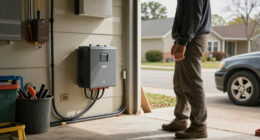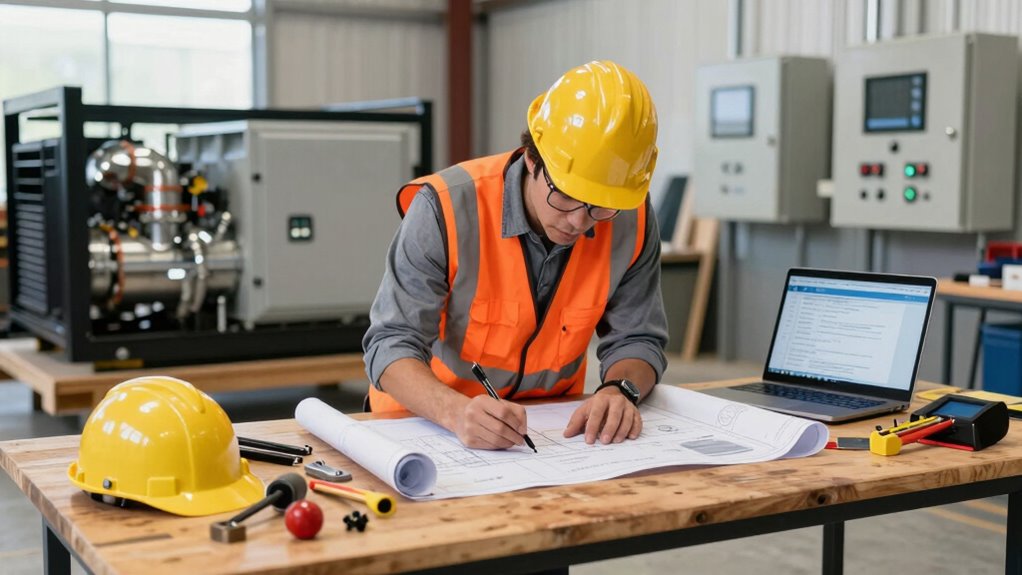
To prepare for your generator permit review, start by thoroughly reviewing the inspection checklist from your local authority. Gather all required documents like plans, certifications, and permits, organizing them for easy access. Conduct a self-inspection to verify safety features, electrical connections, and compliance with codes, fixing any issues beforehand. Clear communication and proper documentation are key to a smooth process. Keep going to discover more tips to help you succeed.

Get backup power and energy gear delivered free with Prime
- Fast, free delivery on millions of items
- Prime Video, Amazon Music and more included
- Member-only deals all year
Key Takeaways
- Review the inspection checklist thoroughly and address any potential issues before the official review.
- Gather all necessary documentation, including detailed plans, permits, and compliance certifications.
- Conduct a self-inspection to verify electrical, ventilation, and fire safety features meet standards.
- Ensure your installation aligns with local codes and safety regulations to prevent delays.
- Prepare clear summaries and organized documents to facilitate smooth communication with inspectors.

Getting your generator permit approved can seem intimidating, but proper preparation makes the process much smoother. One of the most important steps is understanding what the review process entails and ensuring you have all the necessary information ready. Start by familiarizing yourself with the inspection checklist provided by your local permitting authority. This checklist outlines exactly what inspectors will examine, from safety features to installation standards. Knowing what’s on this list helps you double-check your work and catch any potential issues before the review. It can save you time and prevent costly revisions later.
Understanding the review process and inspection checklist ensures smooth generator permit approval.
Another essential aspect is gathering all documentation requirements. These usually include detailed plans, specifications, and certifications related to your generator installation. Your documentation should clearly show compliance with local codes, safety standards, and manufacturer instructions. Keep copies of permits, inspection reports, and any correspondence with authorities. Organize these documents systematically so you can easily access them during the review process. Proper documentation not only demonstrates your adherence to regulations but also speeds up the approval process because inspectors won’t have to chase down missing information. Additionally, understanding inspection standards can help you better prepare your submission and ensure all criteria are met. Familiarity with local code requirements can also help you anticipate specific questions or concerns that might arise during the review. Recognizing the importance of safety standards can further reinforce your readiness and confidence going into the inspection. Being aware of regulatory expectations can help you align your project with the inspector’s priorities and avoid unnecessary rework.
Prior to your inspection, conduct a thorough self-review based on the inspection checklist. Walk through your installation, ensuring that every item meets code requirements and safety standards. Verify that electrical connections are secure, ventilation is adequate, and fire safety measures are in place. Address any deficiencies you spot to avoid surprises during the official inspection. It’s also a good idea to prepare a brief summary of your project, highlighting how your installation complies with all relevant regulations. This shows inspectors that you’ve taken the necessary steps and are committed to safety and compliance. Additionally, understanding the role of contrast ratio in visual assessments can help you evaluate and present your setup’s safety features more effectively. Remember, thorough preparation and clear communication can significantly streamline the permit approval process.
Frequently Asked Questions
Who Is Responsible for Submitting the Permit Application?
You’re responsible for submitting the permit application, including paying any permit fees and following the application procedures. Make certain you gather all required documentation and fill out the forms accurately to avoid delays. Check with your local authority for specific details, as they often have guidelines that you need to follow. By taking charge of the submission process, you guarantee your generator project stays on track and meets all necessary regulations.
How Long Does the Permit Review Process Typically Take?
The permit review process is like a patient journey, often taking anywhere from a few weeks to a couple of months. You might hit review delays that slow things down, but staying proactive keeps the process moving. Typically, permit timelines depend on your local authority’s workload and complexity of your project. Keep in touch, follow up regularly, and you’ll navigate these waters more smoothly, reducing surprises along the way.
Are There Specific Safety Standards Required for Generator Installation?
Yes, there are specific safety standards you need to follow for generator installation. You must guarantee generator safety by adhering to local codes and installation standards, such as proper grounding, ventilation, and clearance distances. These standards help prevent hazards like carbon monoxide poisoning, electrical faults, and fire risks. Always review the National Electrical Code (NEC) and local regulations to ensure your installation meets all safety requirements, guaranteeing a safe, compliant setup.
Can I Make Changes to My Plans After Submission?
Yes, you can make design modifications after submitting your plans, but you’ll need to follow the approval procedures. Contact the permit office to inform them of the changes and provide updated drawings or documents. They’ll review your modifications to verify compliance with safety standards and regulations. Keep in mind, making unapproved changes could delay your permit or require resubmission, so always communicate and get approval before proceeding with any adjustments.
What Documentation Is Needed for the Permit Review?
You need to submit an inspection checklist, which details safety and compliance measures, and documentation addressing environmental considerations, like emissions and noise levels. Make certain your plans include detailed drawings and specifications. Double-check that all forms are filled out accurately and all necessary permits are included. Providing thorough documentation helps streamline the review process and demonstrates your commitment to safety, environmental standards, and code compliance.
Conclusion
So, after all that prep work, you’re finally ready for your generator permit review—who knew it’d be so exciting? Just remember, all those detailed plans and endless paperwork are your ticket to a smooth approval, proving you’re a true master of compliance. Ironically, it’s almost a relief to have everything in order—now you can sit back and enjoy the thrill of waiting, knowing you’ve done everything possible to make the process as painless as possible.
Halloween Picks
halloween
As an affiliate, we earn on qualifying purchases.