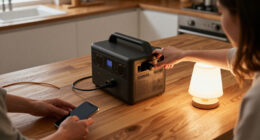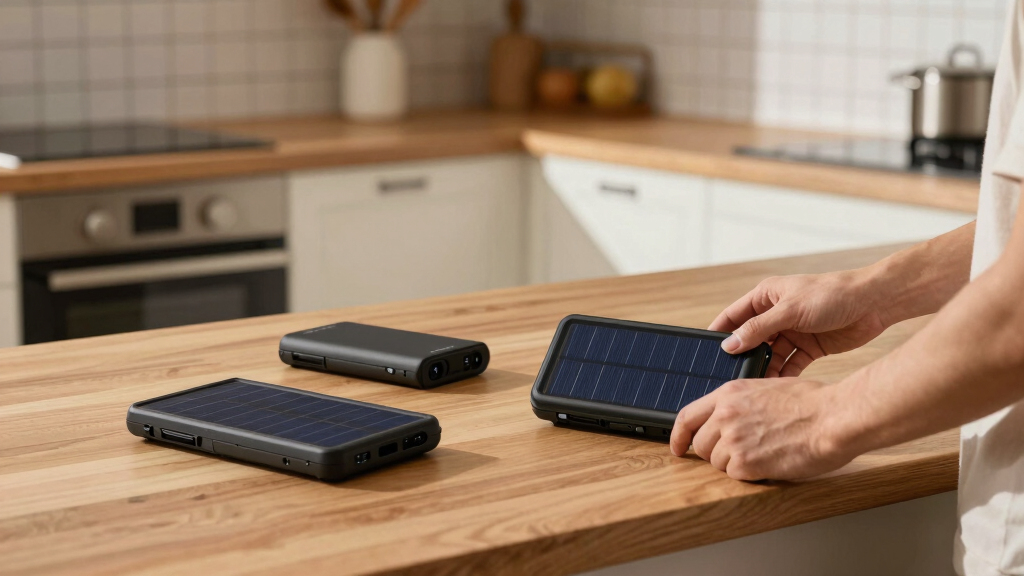
Portable solar power banks are compact devices that store solar energy for charging smartphones, tablets, and other small electronics during outdoor activities or emergencies. This guide provides clear, step-by-step instructions to help you select, set up, and efficiently use a solar power bank. Suitable for beginners, it emphasizes practical steps and troubleshooting tips to ensure reliable performance in real-world conditions.

Get backup power and energy gear delivered free with Prime
- Fast, free delivery on millions of items
- Prime Video, Amazon Music and more included
- Member-only deals all year

Solar Portable Charger 12000mAh, Small Solar Power Bank
- ✔ Battery Capacity: 12000mAh
- ✔ Dimensions: 3.2 x 3 x 0.8 inches
- ✔ Weight: 199 g

SOARAISE Solar Power Bank 48000mAh Wireless Portable Charger with 4 Cables
- ✔ Battery Capacity: 48000mAh
- ✔ Number of Solar Panels: 4
- ✔ Ports: 3 (2 USB-A, 1 USB-C)

Blavor Solar Power Bank 10,000mAh Portable Wireless Charger for Cell Phones
- ✔ Battery Capacity: 10,000mAh
- ✔ Connector Type: USB A, USB C, IOS
- ✔ Power Source: Corded Electric
Difficulty: Beginner | Time: 30-60 minutes
What You’ll Need
Tools & Materials:
- portable solar power bank
- compatible charging cables
- device to be charged
Knowledge:
- basic understanding of charging devices
- ability to operate a power bank
Choose a solar power bank with sufficient capacity (measured in mAh) for your needs. Fully read the user manual to understand specific features and safety guidelines.
Solar Portable Charger 12000mAh, Small Solar Power Bank
<p>The <strong>Solar Portable Charger 12000mAh</strong> stands out for its ultra-compact design, making it ideal for travelers who prioritize portability. It offers dual charging options—solar and socket—and includes handy features like a built-in flashlight and LED indicators. Compared to the larger capacity options, this model is less suited for heavy or prolonged device use, as its limited 12000mAh capacity requires more frequent recharging and solar charging is primarily an emergency backup. Its small size and lightweight build make it perfect for quick trips but less ideal for extended outdoor stays where more power is needed.</p>
Pros:
- Compact and lightweight for portability
- Charges multiple devices simultaneously
- Dual charging methods: solar and AC
- Includes built-in cables and flashlight
Cons:
- Limited battery capacity for heavy or prolonged use
- Solar charging is slow and mainly for emergencies
Best for: Travelers and outdoor enthusiasts needing a compact backup for light device use
Not ideal for: Heavy users requiring extended power or fast solar charging
Bottom line: An excellent lightweight option for occasional outdoor use, but not suited for extended power needs.
“An excellent lightweight option for occasional outdoor use, but not suited for extended power needs.”
SOARAISE Solar Power Bank 48000mAh Wireless Portable Charger with 4 Cables
<p>The <strong>SOARAISE Solar Power Bank 48000mAh</strong> is tailored for serious outdoor adventurers needing extended power. Its four solar panels enable faster, more efficient outdoor charging, especially in direct sunlight. The high capacity supports multiple devices simultaneously, including wireless charging, making it versatile for long trips. However, this power bank’s substantial size and weight—around 50 grams—may reduce portability for backpackers or casual users. Its durability features—waterproof, shockproof, and dustproof—ensure it withstands rough conditions, but the reliance on sunlight for solar charging means its speed can vary significantly based on weather.</p>
Pros:
- High-capacity 48000mAh battery for extended use
- Four solar panels for faster outdoor charging
- Supports wireless charging and multiple device connections
- Rugged, waterproof, shockproof, and dustproof design
Cons:
- Bulkier and heavier than smaller models
- Solar charging speed depends on sunlight availability
Best for: Outdoor enthusiasts and campers needing maximum capacity and durability
Not ideal for: Casual travelers or those prioritizing lightweight gear
Bottom line: A powerhouse for outdoor use, but its size and reliance on sunlight may limit everyday portability.
“A powerhouse for outdoor use, but its size and reliance on sunlight may limit everyday portability.”
Blavor Solar Power Bank 10,000mAh Portable Wireless Charger for Cell Phones
<p>The <strong>Blavor Solar Power Bank 10,000mAh</strong> offers a balanced approach, combining a manageable size with outdoor-ready durability. Its waterproof, dustproof, and shockproof features make it an excellent choice for outdoor travel, especially when weight matters. The inclusion of wireless charging, fast USB-C output, and multiple device compatibility makes it versatile for casual outdoor use and travel. Its 10,000mAh capacity is sufficient for a few charges of smartphones but may fall short for extended trips or high-demand devices. Its solar panel is less efficient than larger models, so reliance on sunlight should be minimal.</p>
Pros:
- Compact and lightweight for portability
- Supports wireless charging and fast USB-C output
- Rugged with waterproof, dustproof, and shockproof features
- Can charge multiple devices simultaneously
Cons:
- Limited battery capacity for heavy or prolonged use
- Solar charging efficiency is dependent on sunlight conditions
Best for: Travelers and outdoor enthusiasts seeking a durable, feature-rich portable charger
Not ideal for: Heavy device users or those needing a lot of power over extended periods
Bottom line: A versatile, rugged option ideal for casual outdoor activities and travel, but limited capacity restricts heavy usage.
“A versatile, rugged option ideal for casual outdoor activities and travel, but limited capacity restricts heavy usage.”
As an Amazon Associate we earn from qualifying purchases.
Before You Start
Ensure the solar power bank is fully charged via AC power before initial outdoor use. Verify that the solar panels are clean and unobstructed for optimal sunlight exposure. Avoid using the device in extreme weather conditions until familiar with its specifications.
Step-by-Step Instructions
Step 1: Select the right solar power bank
Choose a solar power bank with adequate capacity (at least 10,000mAh for daily use) and compatible output ports for your devices.
Tip:Check reviews to confirm solar panel efficiency and durability, especially if you plan to use it outdoors frequently.
Check: You have a suitable device with clear specifications matching your charging needs.
Step 2: Charge the power bank fully before use
Connect the power bank to a wall outlet or USB charger using the provided cable and allow it to reach full charge, indicated by the LED lights or display.
Tip:Initial full charge ensures maximum capacity and reliable performance during outdoor use.
Check: The device indicates a full charge, typically via all LED lights being solid or a specific full indicator.
Step 3: Position the solar panels for maximum sunlight
Place the solar power bank in direct sunlight, ensuring the panels are facing the sun and are unobstructed by shade or objects.
Tip:Adjust the angle periodically to follow the sun’s movement for optimal energy absorption.
Check: Solar panels are receiving strong sunlight, which can be confirmed by increased charging indicators or the device’s display showing solar input activity.
Step 4: Connect your device to the power bank
Use the compatible cable to connect your device’s charging port to the power bank’s output port, then turn on the power bank if necessary.
Tip:Ensure the connection is secure and the power bank indicates it is charging (lights or display activate).
Check: Your device shows charging status and begins to receive power from the power bank.
Step 5: Monitor and optimize charging
Check the charging progress periodically. If sunlight diminishes, move the solar panel to maintain direct sunlight exposure.
Tip:Avoid covering the solar panels or placing them in shade during use for best results.
Check: Your device charges steadily, and the power bank displays active solar input or remaining capacity.
Common Mistakes to Avoid
- Using the solar power bank in indirect or shaded sunlight — Always position the panels in direct sunlight, avoiding shade or obstructions that block sunlight.
- Overloading the power bank beyond its capacity — Check the maximum output specifications and avoid connecting devices that draw more current than the bank can supply.
- Not fully charging the power bank before first use — Charge it fully via AC power before outdoor use to ensure maximum capacity and reliable operation.
Troubleshooting
Problem: Device is not charging from the power bank
Solution: Ensure the cables are securely connected, the power bank is turned on, and it has sufficient remaining capacity.
Problem: Solar charging is slow or inactive
Solution: Verify the solar panels are in direct sunlight, clean the panels of dirt or debris, and reposition for maximum sunlight exposure.
Problem: Power bank does not indicate charging or shows errors
Solution: Reset the device if possible, check for firmware updates if applicable, or replace if damaged.
What Success Looks Like
The device charges your electronics reliably when connected, and the solar panels generate power when exposed to sunlight. The power bank’s indicators reflect proper operation, and your devices reach full charge without issues.
Next Steps
Regularly clean the solar panels to maintain efficiency. Store the power bank in a cool, dry place when not in use. Use it periodically to keep the battery conditioned. If performance drops significantly, consider replacing the unit.
Frequently Asked Questions
How long does it take to fully charge a device using a solar power bank?
The charging time depends on the device’s battery capacity and sunlight conditions. Typically, a 10,000mAh bank can charge a smartphone in 2-3 hours in direct sunlight.
Can I leave the solar panels in the sun all day?
Yes, but avoid prolonged exposure if the device is not designed for continuous outdoor use to prevent overheating. Follow manufacturer guidelines for safe operation.
What should I do if the solar power bank stops working?
Check for physical damage, ensure it is charged, and verify cables and connections. Contact customer support if the problem persists or if warranty service is needed.
Is it safe to use the power bank in the rain or wet conditions?
Most portable solar power banks are not waterproof. Use them in dry conditions and store in a waterproof bag if rain is expected.
Halloween Picks
halloween
As an affiliate, we earn on qualifying purchases.