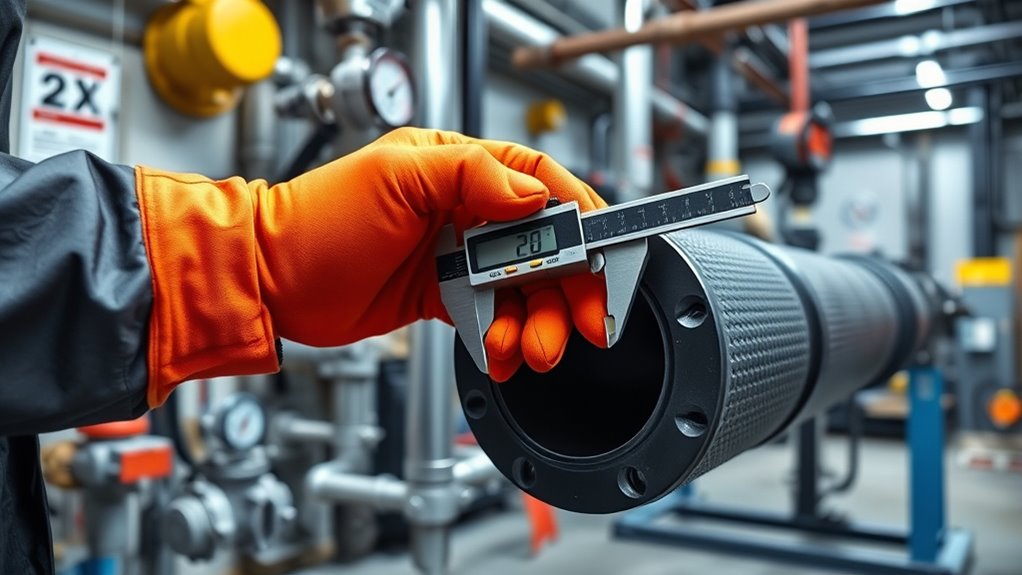
Proper natural gas line sizing is crucial for safety and efficiency. You need to consider factors like the gas flow rate, pipe length, material, and pressure regulation to guarantee the line can handle demand without leaks or pressure drops. Accurate calculations using tools and standard guidelines help prevent hazards. Avoid common mistakes like ignoring pressure loss or local codes. If you want to ensure your gas system is safe and compliant, understanding these basics is essential to get right.

Get backup power and energy gear delivered free with Prime
- Fast, free delivery on millions of items
- Prime Video, Amazon Music and more included
- Member-only deals all year
Key Takeaways
- Proper gas line sizing ensures safety by preventing leaks, pressure drops, and system failures.
- Consider factors like flow rate, distance, and pipe material for accurate line sizing.
- Maintain correct pressure levels through regulation to ensure efficient and safe gas delivery.
- Follow local codes and safety protocols during installation, inspection, and maintenance.
- Manage pressure drops over distances to prevent flow restrictions and ensure appliance performance.
Understanding Gas Line Sizing and Its Importance
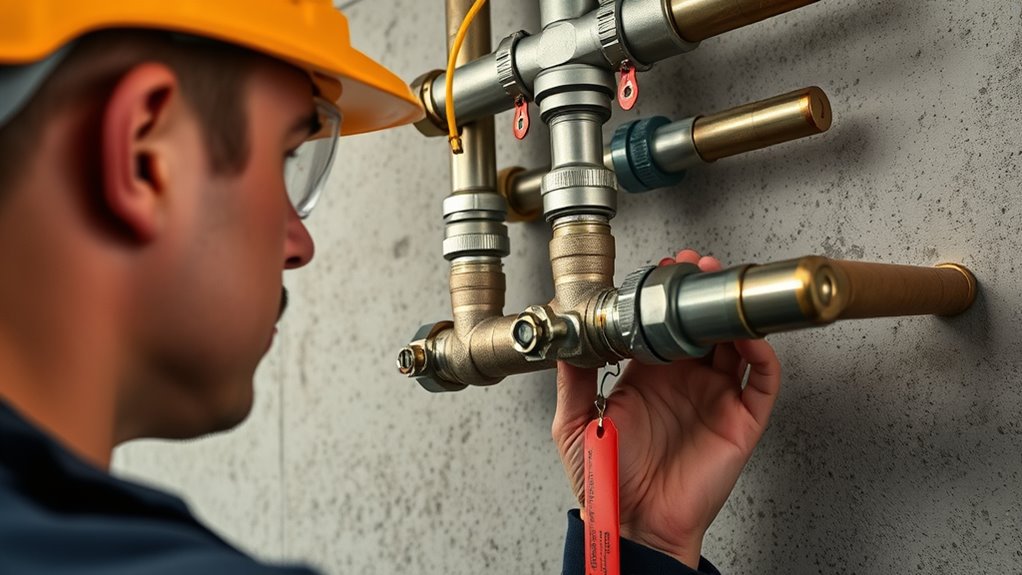
Understanding gas line sizing is vital because it directly affects the safety, efficiency, and performance of your natural gas system. When your lines are properly sized, you reduce the risk of gas leaks, which are dangerous and can lead to fires or explosions. Correct sizing also ensures that your appliance receives the right amount of gas for maximum operation, preventing issues like inconsistent heating or pressure drops. Properly designed lines make gas leak prevention easier by reducing stress on connectors and joints. Additionally, a well-sized gas line allows for an emergency shutoff to work effectively if needed, quickly stopping the flow of gas and minimizing hazards. Accurate sizing is a fundamental step in maintaining a safe, reliable natural gas system for your home or business. Properly selected components also contribute to overall system safety by ensuring compatibility and reducing wear over time.
Factors Influencing Natural Gas Line Diameter

Your natural gas line diameter depends on several key factors. The gas flow rate requirements and the distance from the source directly impact the size needed, while the pipe material and compatibility influence its performance and safety. Understanding these elements helps guarantee your gas system functions efficiently and safely. Additionally, selecting a dog name that suits your dog’s personality can enhance your bond and make daily interactions more enjoyable.
Gas Flow Rate Requirements
What determines the necessary diameter of a natural gas line? Your primary factors are the gas flow rate requirements and pressure drop. If your system demands a high flow rate, you’ll need a larger diameter to prevent pressure drops that could cause a gas leak or inefficient operation. Proper regulator selection is essential to maintain safe and consistent pressure, especially at higher flow rates. Failing to match the line size to your flow needs can lead to insufficient gas delivery or pressure fluctuations, increasing safety risks. Always calculate the expected gas flow rate accurately, considering peak demands, to choose a line diameter that balances safety, efficiency, and code compliance. Proper sizing techniques ensure your system operates safely without leaks or pressure issues.
Pipe Material and Compatibility
The choice of pipe material considerably influences the natural gas line diameter because different materials have varying strength, flexibility, and pressure ratings. Material compatibility assures safe operation and enhances pipe durability. For example, steel offers high strength and corrosion resistance in harsh environments, while copper provides excellent flexibility. PVC is lightweight and corrosion-resistant but limited in pressure capacity. Consider these factors:
| Material | Corrosion Resistance | Pipe Durability |
|---|---|---|
| Steel | Moderate | High |
| Copper | Excellent | High |
| PVC | Excellent | Moderate |
Selecting the right material balances pressure needs, soil conditions, and safety, directly affecting your line’s diameter and longevity. Proper material compatibility prevents failures and optimizes performance. Additionally, understanding the horsepower of electric dirt bikes can help in selecting appropriate safety measures for high-speed applications.
Distance From Source
As the distance from the gas source increases, the required line diameter must also expand to maintain safe pressure levels and guarantee efficient flow. Longer runs cause pressure drops, so selecting a larger diameter helps compensate for this loss. Proper pipe insulation minimizes heat loss, which can affect pressure and flow, especially over extended distances. Additionally, you’ll need to secure regulatory permits, as increased line length and size often trigger stricter safety standards. Ensuring the correct diameter is vital to prevent pressure drops that could compromise safety and operation. It also reduces the risk of leaks or failure due to overpressure. Considering pressure management strategies and their impact on line performance is essential when designing long-distance natural gas pipelines. By considering distance from the source, pipe insulation, and compliance with permits, you can design a safe, efficient natural gas line that performs reliably over its entire length.
Calculating Gas Flow Requirements for Your System
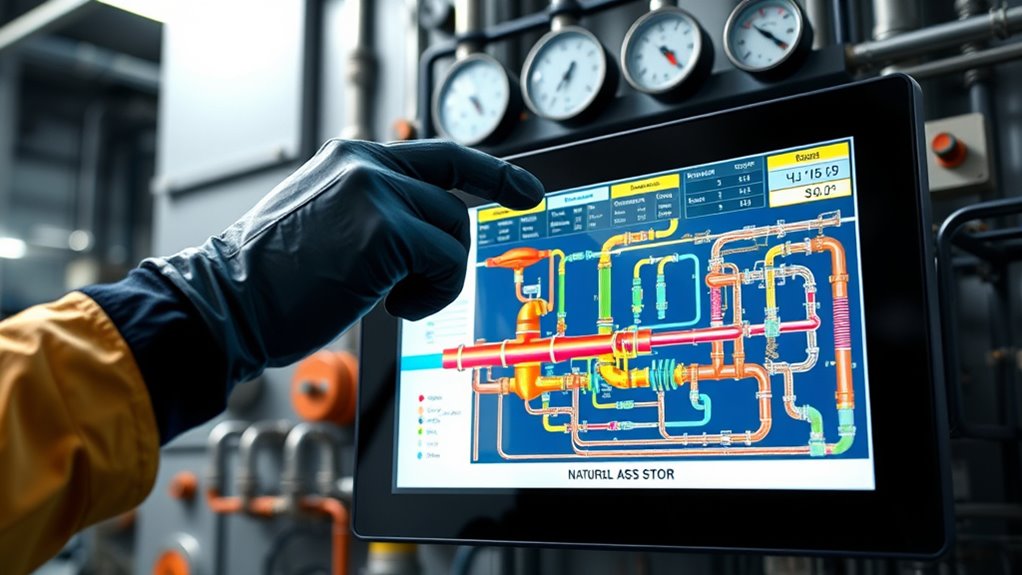
To guarantee your natural gas line is properly sized, you need to accurately calculate the gas flow requirements for your system. Start by listing all appliances and their BTU ratings to determine total demand. This helps ensure the line can deliver enough gas without causing pressure drops or risking a gas leak. Don’t forget, proper regulator maintenance is vital to keep flow consistent and safe. An undersized line can lead to inadequate supply, while an oversized one increases costs unnecessarily. Use these calculations to select the correct pipe diameter, optimizing safety and efficiency. Regularly monitoring indoor air quality can also help identify potential issues in ventilation and pollutant levels. Remember, precise gas flow calculations prevent issues down the line, protect your system, and promote safe operation. Accurate sizing is the foundation of a reliable, safe natural gas system.
Recognizing the Role of Pressure in Line Sizing
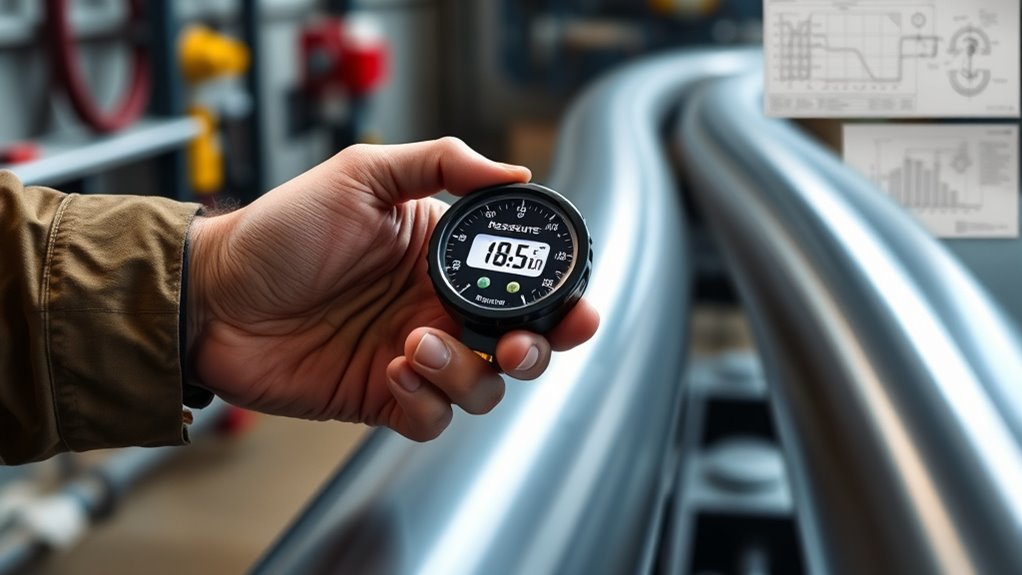
Once you’ve calculated the gas flow requirements for your system, understanding pressure becomes the next vital step. Pressure influences flow dynamics, affecting how smoothly gas moves through your line. Proper pressure regulation ensures consistent delivery, preventing pressure drops that could hinder performance or cause safety issues. Recognizing how pressure impacts flow helps you select the right pipe size; too high pressure can cause stress on components, while too low can reduce flow efficiency. Keeping pressure within recommended limits maintains system safety and efficiency. By monitoring and controlling pressure, you optimize flow dynamics, ensuring reliable operation and safety. Understanding city dynamics is also crucial for maintaining safety standards and efficient system operation. Remember, effective pressure management is essential for selecting the correct line size and preventing potential hazards.
Tools and Resources for Accurate Line Sizing
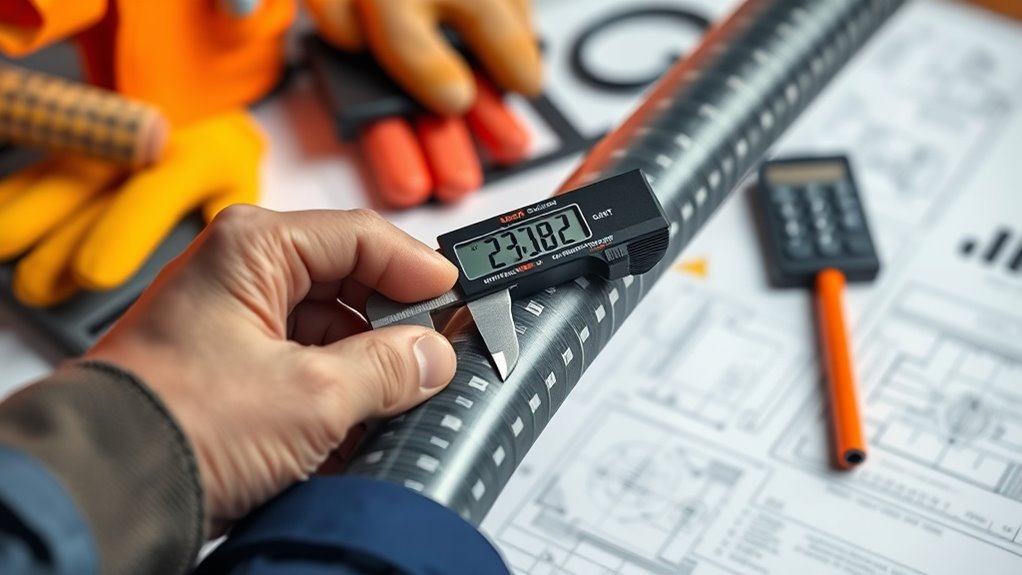
Accurate line sizing relies on a range of specialized tools and resources that streamline the calculation process. A tools overview can help you identify essential instruments like flow calculators, pressure loss charts, and pipe sizing software. These digital tools automate complex calculations, reducing errors and saving time. Resource directories provide access to industry standards, manufacturer specifications, and technical guidelines, ensuring you stay compliant and informed. Using these resources, you can verify your calculations and select appropriate pipe diameters confidently. Many online platforms and mobile apps now offer user-friendly interfaces, making it easier for you to perform precise line sizing on the spot. Additionally, understanding safety standards is crucial for preventing hazards and ensuring compliance during installation. By leveraging these tools and resource directories, you enhance safety, efficiency, and accuracy in your natural gas line installation process.
Common Mistakes to Avoid When Sizing Gas Lines
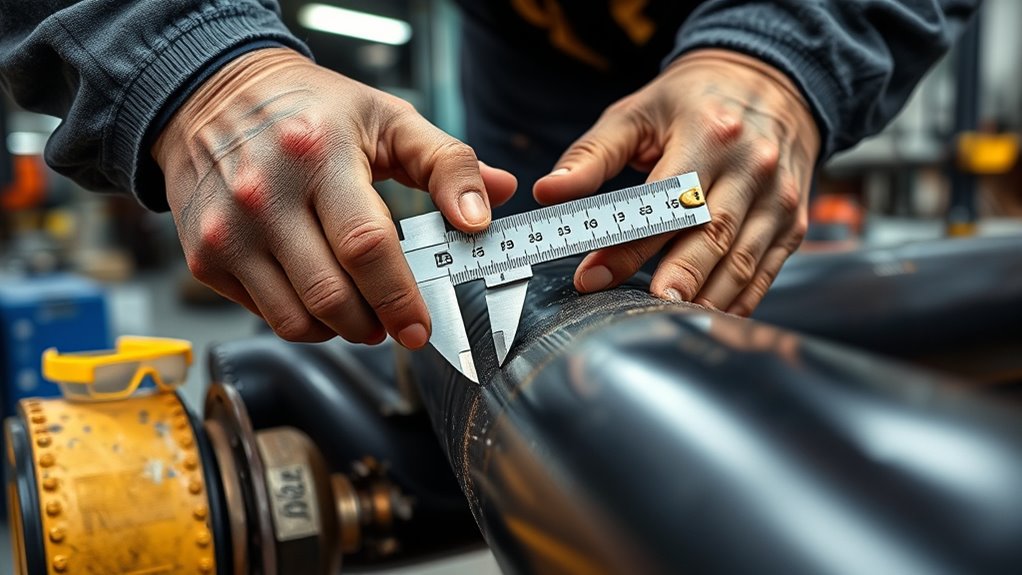
One common mistake is disregarding pressure drop, which can lead to insufficient gas flow and system issues. You also risk running into trouble if you overlook local codes, risking delays or violations. Being aware of these pitfalls helps ensure your gas line is safe, efficient, and compliant. Additionally, understanding self-watering plant pots can be a useful analogy for maintaining consistent flow and preventing overpressure in gas lines.
Ignoring Pressure Drop
Ignoring pressure drop is a common mistake that can lead to inefficient gas line operation and safety issues. When you overlook pressure loss, you risk creating flow restrictions that reduce the gas flow to appliances. These restrictions can cause underperformance, uneven combustion, or even dangerous pressure buildup. Failing to account for pressure reduction along the line means your system may not deliver consistent, adequate flow, especially over longer distances or with undersized pipes. Proper sizing considers how pressure decreases as gas moves through the line, ensuring the pressure remains sufficient at the appliance. By ignoring this, you compromise both safety and efficiency, risking leaks, equipment malfunction, or hazardous conditions. Always factor in pressure loss during line design to ensure safe, reliable operation.
Overlooking Local Codes
Overlooking local codes is a common mistake that can lead to costly fines, safety hazards, and code violations. You must prioritize local code compliance when sizing gas lines, as regulations vary by region. Zoning restrictions can also impact your installation, dictating where and how you can run gas lines. Ignoring these requirements risks delays, legal issues, and unsafe setups. Before starting, review your local building codes and zoning laws thoroughly. Consulting with authorities or licensed professionals ensures your gas line sizing meets all necessary standards. Failing to do so could compromise safety and lead to costly rework. Always verify that your plans align with local regulations to maintain compliance, safety, and smooth project progress. Additionally, understanding regulatory requirements helps prevent overlooked safety considerations during the installation process.
Safety Precautions During Installation and Maintenance
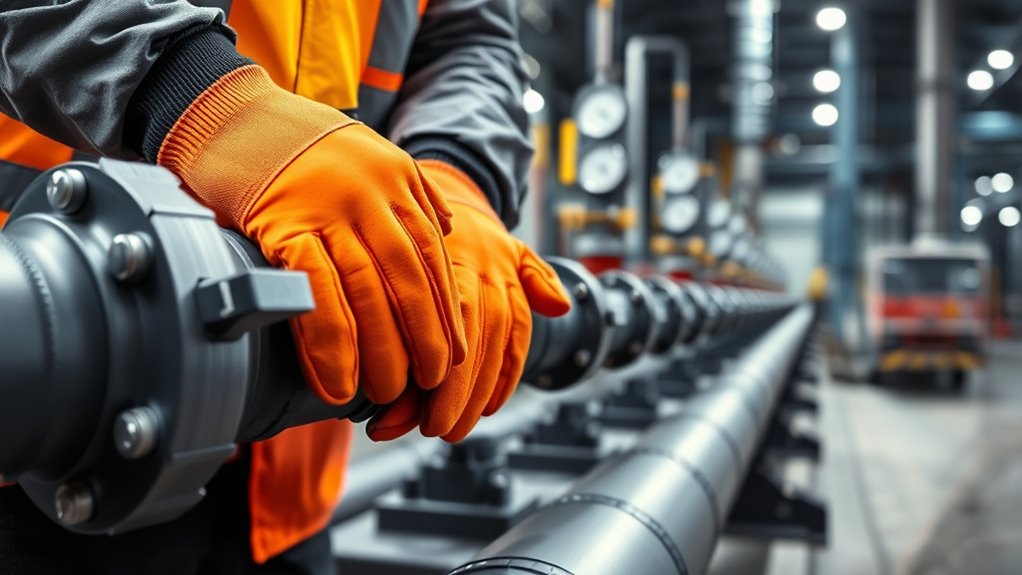
To guarantee safety during natural gas line installation and maintenance, it’s essential to follow proper precautions at every step. First, always perform gas leak detection before proceeding, ensuring there are no leaks that could pose hazards. Second, familiarize yourself with emergency shutdown procedures, so you can act quickly if a leak or other issue arises. Third, use the correct protective gear and tools to prevent accidents and injuries. Remember, never ignore unusual smells or sounds; these could indicate a problem. Regularly check for signs of corrosion or damage to the pipes, and ensure all connections are secure. Staying vigilant and prepared helps prevent accidents and keeps everyone safe during installation and maintenance.
Inspecting and Testing Gas Lines for Safety
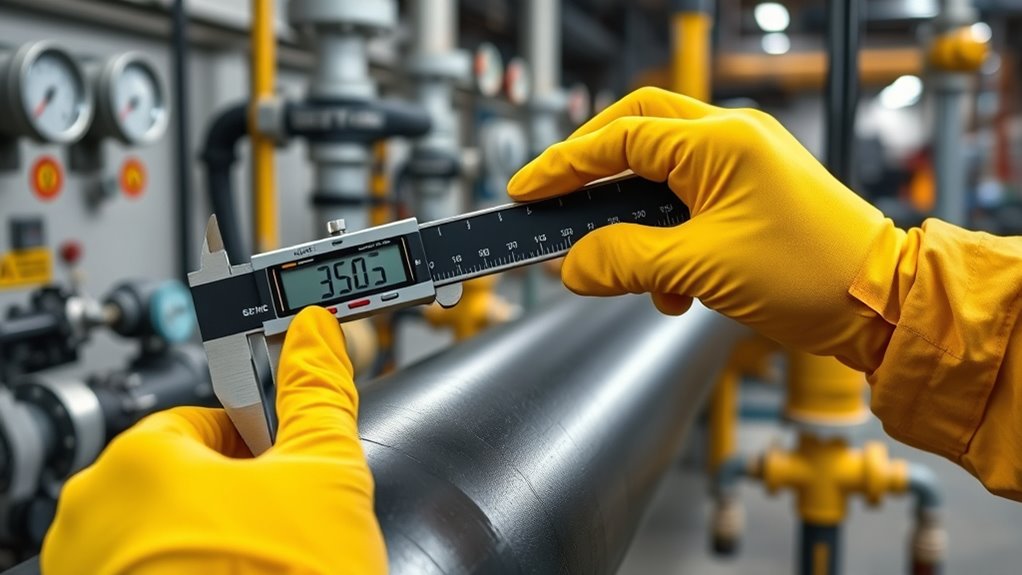
Regularly inspecting and testing your gas lines is crucial to guarantee they remain safe and functional. Focus on leak detection to catch problems early, and check for signs of corrosion prevention to avoid deterioration. Use soapy water or electronic leak detectors for accurate results. Look for corrosion spots, rust, or damage on the pipe surface, which can compromise safety. Conduct pressure tests to ensure no leaks exist under operational conditions. Remember, early detection prevents dangerous leaks and potential explosions. Keep the following in mind:
| Inspection Method | What to Check | Purpose |
|---|---|---|
| Leak detection | Gas smell, soap bubbles | Find leaks early |
| Visual inspection | Corrosion, damage | Prevent deterioration |
| Pressure testing | Pipe integrity | Confirm safety compliance |
Staying proactive helps maintain a safe gas system.
Professional Assistance and When to Seek Expert Help
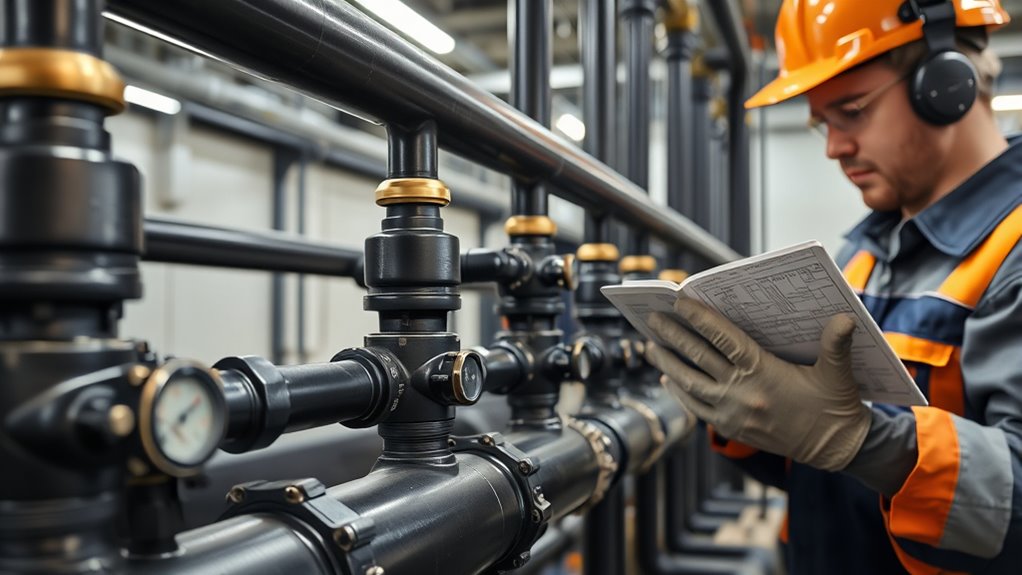
While performing routine inspections can help identify many issues, some problems require professional expertise to diagnose and resolve safely. If you notice signs like persistent leaks or suspect inadequate ventilation, it’s time to call in a pro. Professionals can accurately perform leak detection to prevent dangerous buildup and ensure ventilation requirements are met to avoid harmful gas accumulation.
Consider seeking expert help if:
- You detect a gas smell or suspect a leak
- Ventilation requirements aren’t clear or seem insufficient
- You’re unsure about proper line sizing or installation safety
Don’t risk safety by trying to fix complex issues yourself. Qualified technicians have the tools and knowledge to handle these critical tasks safely and effectively.
Frequently Asked Questions
How Often Should Gas Line Inspections Be Performed?
You should perform gas line inspections at least once a year to guarantee leak prevention and maintain safety. Regular inspection frequency helps identify any potential issues early, preventing leaks and hazards. Always check for signs of corrosion, damage, or leaks, especially if you notice a change in smell or pressure. Consistent inspections keep your gas system safe and efficient, giving you peace of mind and protecting your home or business.
What Are the Signs of a Gas Line Leak?
You’ll notice a gas odor detection, a sulfur-like smell, or a hissing sound indicating a leak. You might see dead or discolored vegetation near the line or experience a whistling noise. When you detect a leak, don’t delay—shut off the gas supply and evacuate. Use proper leak repair methods, such as professional assessment and sealing, to guarantee safety. Always stay alert and act quickly at the first sign.
Can I Upgrade My Gas Line Size Myself?
You shouldn’t attempt DIY upgrades to your gas line; it’s risky and often requires professional guidance. Upgrading your gas line involves precise calculations, proper materials, and adherence to safety regulations that a trained expert understands. To guarantee safety and code compliance, always hire a licensed professional. Doing so protects your home and loved ones from potential hazards, and guarantees the work is done right the first time.
What Local Codes Govern Gas Line Installation?
You need to check local codes that govern gas line installation, including municipal regulations and permit requirements. These rules guarantee safe and proper installation, so you should contact your city or county building department before starting. They’ll provide specific guidelines and any necessary permits. Ignoring these regulations can lead to safety hazards or legal issues, so always follow the local codes closely to ensure your gas line upgrade is compliant and safe.
How Does Outdoor Temperature Affect Gas Line Safety?
Imagine a winter landscape—outdoor temperature effects can cause your gas line to contract or expand. Colder temperatures may reduce gas pressure, risking flow issues, so outdoor insulation becomes essential. Proper insulation keeps the line warmer, preventing freezing and leaks. You must consider outdoor insulation to maintain safety, especially during temperature fluctuations, ensuring your gas system operates reliably and safely despite the chill.
Conclusion
Getting your gas line sizing right isn’t just important – it’s the difference between a safe, efficient system and a potential disaster waiting to happen. By understanding the basics and following safety protocols, you can prevent costly mistakes and guarantee your system runs smoothly. Remember, neglecting proper sizing can turn a simple setup into a safety nightmare faster than you can say “explosion.” Stay vigilant, stay safe, and always seek expert help when in doubt.
Halloween Picks
halloween
As an affiliate, we earn on qualifying purchases.