
TL;DR

Get backup power and energy gear delivered free — and shop member deals
- Fast, free delivery on millions of items
- Access to Prime Big Deal Days deals on October 6–7
- Prime Video, Amazon Music and more included
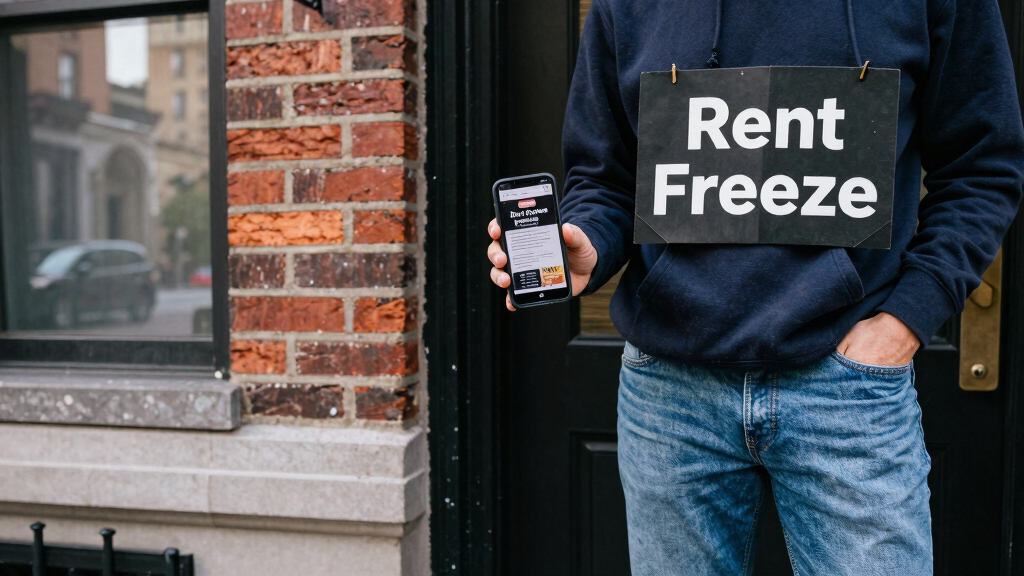
New York City has approved a rent freeze, fulfilling Mayor Mamdani’s campaign pledge. The move aims to curb rising housing costs but faces mixed reactions. Details on implementation and impact are still emerging.
New York City council has approved a rent freeze, marking a significant policy shift in response to ongoing housing affordability concerns. The move aligns with Mayor Mamdani’s campaign promise to stabilize rent costs for tenants across the city. The policy is now in effect, but details on its scope and implementation are still being clarified.
The rent freeze was passed by a majority vote in the NYC council on March 15, 2024, and is set to last for one year. It applies to residential leases for buildings constructed before 1974, affecting approximately 1.2 million tenants. The policy caps rent increases at zero percent, preventing landlords from raising rents during the period.
Mayor Mamdani publicly supported the measure, stating it is a critical step toward making housing more affordable amid rising living costs. The move was met with praise from tenant advocates and criticism from some property owners and real estate groups, who argue it could discourage new investments and maintenance efforts.
Impact of the Rent Freeze on NYC Housing Market
This rent freeze represents a major intervention in New York City’s housing market, aiming to provide immediate relief to tenants facing rising costs. It signals a shift toward more aggressive tenant protections and could influence future housing policies. The measure’s success or failure may affect political debates and economic stability in the city’s real estate sector, making it a pivotal development for residents and stakeholders alike.
Background on NYC Housing and Campaign Promises
Housing affordability has been a persistent issue in New York City, with rent prices increasing substantially over the past decade. Campaign promises by Mayor Mamdani centered on addressing this crisis through measures like rent stabilization and tenant protections. The current rent freeze is one of the first major policy actions following Mamdani’s election victory in late 2023, reflecting his pledge to prioritize tenants’ rights.
Previous efforts to regulate rent increases included rent stabilization laws and eviction protections, but critics argued they were insufficient. The new freeze aims to directly limit rent hikes during a period of economic uncertainty and rising inflation, which has exacerbated housing affordability issues for many residents.
“This rent freeze is a critical step toward making housing more affordable and protecting tenants from unchecked rent hikes. We are committed to ensuring that New Yorkers can stay in their homes without fear of displacement.”
— Mayor Mamdani
Implementation Details and Long-term Effects Still Unclear
It is not yet clear how the rent freeze will be enforced, which specific buildings or tenants are eligible, or how landlords will respond. The impact on the housing market, including potential shifts in investment or maintenance, remains uncertain. Additionally, the policy’s duration and whether it will be extended or modified are still to be determined.
Next Steps for Policy Enforcement and Monitoring
The city government is expected to release detailed guidelines on how the rent freeze will be implemented in the coming weeks. Tenant advocacy groups plan to monitor compliance closely and advocate for extensions or adjustments if needed. The policy’s effects on rent stability, landlord behavior, and housing affordability will likely be evaluated over the next year, influencing future housing policies in New York City.
Key Questions
Who is affected by the rent freeze?
The rent freeze applies to residential leases in buildings constructed before 1974, affecting approximately 1.2 million tenants in New York City.
How long will the rent freeze last?
The policy is currently set for one year, with discussions ongoing about possible extensions or modifications based on its impact.
Can landlords increase rent under the freeze?
No, the rent freeze caps rent increases at zero percent during the policy period, preventing landlords from raising rents.
What are the potential risks of the rent freeze?
Critics argue it could discourage investment in maintenance and new development, which may affect housing quality and availability long-term.
How will the city enforce the rent freeze?
The city is expected to issue detailed enforcement guidelines soon. Monitoring and compliance measures are still being developed.
Source: google-trends
Halloween Picks
halloween
As an affiliate, we earn on qualifying purchases.