
TL;DR

Get backup power and energy gear delivered free — and shop member deals
- Fast, free delivery on millions of items
- Access to Prime Big Deal Days deals on October 6–7
- Prime Video, Amazon Music and more included
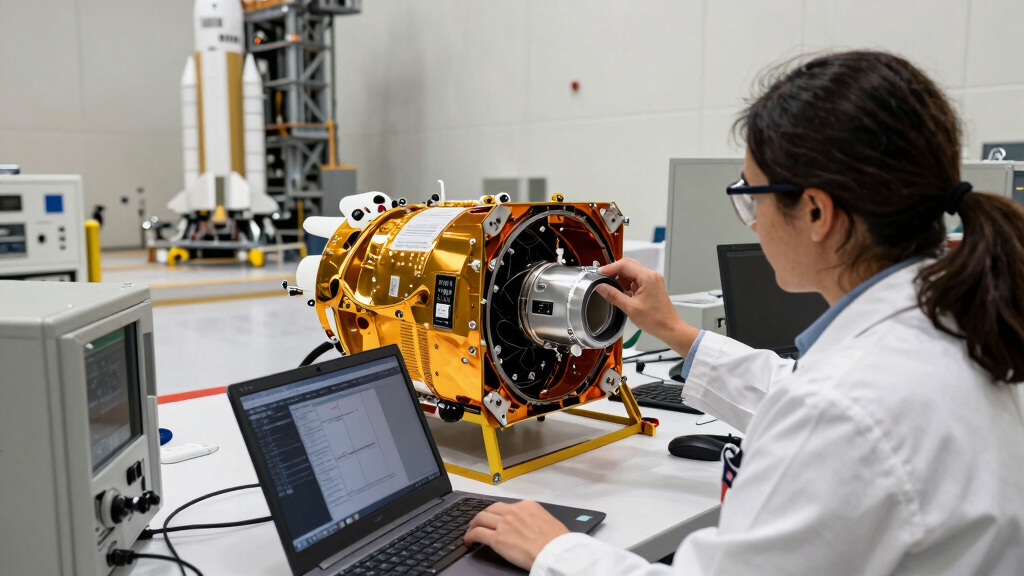
SpaceX launched more than 50 Starlink satellites from Vandenberg Space Force Base on Wednesday evening. The launch aims to expand the satellite network for global internet coverage. The mission is confirmed, but details on the satellite deployment are still emerging.
SpaceX successfully launched over 50 Starlink satellites from Vandenberg Space Force Base on Wednesday evening, advancing its global internet coverage initiative. The launch, confirmed by SpaceX officials, represents a significant step in deploying the company’s satellite constellation.
The launch took place at approximately 6:30 p.m. local time from Vandenberg Space Force Base in California. SpaceX used its Falcon 9 rocket, which successfully delivered the satellites into orbit. According to SpaceX, the mission included the deployment of 54 Starlink satellites, bringing the total number of operational satellites in the constellation to over 3,500. The launch was part of SpaceX’s ongoing effort to expand its satellite network to improve internet access worldwide, especially in remote regions. The Falcon 9’s first stage successfully landed on a drone ship in the Pacific Ocean, a routine part of SpaceX’s reusable rocket program, confirmed by the company’s post-launch statement.
Impact on Global Internet Coverage Expansion
This launch underscores SpaceX’s continued progress in deploying its Starlink satellite network, which aims to provide high-speed internet access across underserved and remote areas globally. The expansion could influence internet accessibility and competition in telecommunications markets. Additionally, the successful reuse of the Falcon 9 first stage highlights SpaceX’s operational efficiency and cost-saving strategies, potentially accelerating future launches and deployments.
Top picks for "spacex launch starlink"
As an affiliate, we earn on qualifying purchases.
Recent Starlink Deployment Milestones and Vandenberg Launch History
SpaceX has been steadily increasing its Starlink satellite count since the first launch in 2018. The company’s recent launches from Vandenberg have focused on deploying batches of satellites to enhance coverage and capacity. The Vandenberg launch site is a key location for reaching polar and other high-latitude regions, complementing launches from Florida’s Kennedy Space Center. Prior to this, SpaceX launched over 60 Starlink satellites from Vandenberg in December 2022, continuing its aggressive deployment schedule aimed at expanding the constellation to serve global markets.
“This launch marks another step forward in our mission to provide reliable, high-speed internet worldwide. Our reusable rockets make these deployments more efficient and cost-effective.”
— Elon Musk, SpaceX CEO
Details on Satellite Deployment and Future Plans Still Emerging
It is not yet clear how the newly launched satellites will be integrated into the existing constellation or specific coverage areas they will serve. While SpaceX has announced ongoing deployment plans, exact timelines and operational details for this batch remain undisclosed.
Upcoming Launches and Satellite Network Expansion Goals
SpaceX is expected to conduct additional Starlink launches in the coming months, aiming to reach a total of over 4,000 satellites in orbit by the end of 2024. The company also plans to improve satellite technology and coverage, with potential updates on deployment schedules and coverage maps expected in the near future. Regulatory approvals for further orbital deployments are also anticipated to support these expansion efforts.
Key Questions
How many Starlink satellites has SpaceX launched so far?
SpaceX has launched over 3,500 Starlink satellites into orbit, with ongoing deployments to expand the network.
What is the significance of launching from Vandenberg Space Force Base?
Vandenberg allows for polar and high-latitude satellite deployments, complementing launches from Florida and expanding coverage to remote regions.
When will the new satellites start providing service?
It is not yet confirmed when the new satellites will become operational, but typically, satellites undergo testing and integration over several weeks after deployment.
Are there any planned future launches?
Yes, SpaceX plans multiple Starlink launches in the coming months to reach its target satellite count for global coverage.
What are the benefits of Starlink for remote areas?
Starlink aims to provide high-speed, low-latency internet access in underserved and remote regions where traditional infrastructure is limited or unavailable.
Source: google-trends
Halloween Picks
halloween
As an affiliate, we earn on qualifying purchases.


![Fil-C: Garbage In, Memory Safety Out [Video]](https://standbygeneratorhq.com/wp-content/uploads/2026/07/fil-c-garbage-in-memory-safety-out-video-featured-560x300.jpg)