
TL;DR

Get backup power and energy gear delivered free — and shop member deals
- Fast, free delivery on millions of items
- Access to Prime Big Deal Days deals on October 6–7
- Prime Video, Amazon Music and more included
California Gov. Gavin Newsom signed a bill legalizing balcony solar in the state on Sept. 30, 2026, according to Canary Media’s Oct. 2 update. About half of U.S. states are considering legislation for plug-in solar, but the supplied report does not give a state-by-state bill list or explain the new California law’s requirements.
California Gov. Gavin Newsom signed a bill legalizing balcony solar on Sept. 30, 2026, according to a Canary Media report updated two days later. The state action comes as about half of U.S. states are considering legislation to allow residents to use small plug-in solar systems, though the report does not identify each state or provide the status of its individual bills.
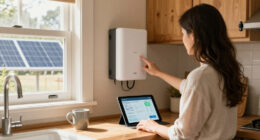
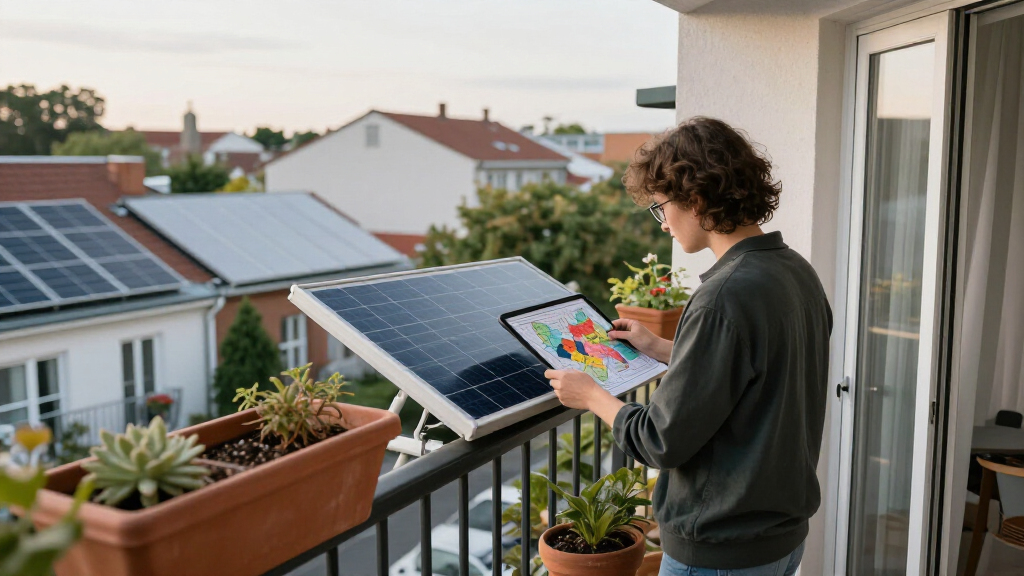
Balcony solar generally refers to do-it-yourself solar kits such as these plug-in balcony solar panels that connect to a standard electrical outlet. Supporters say they can let households generate some of their own electricity without installing a conventional rooftop system. Canary Media describes the legislation as an effort to establish a path for residents to adopt these plug-in devices.
The report identifies California as the latest confirmed state development: Newsom signed a bill on Sept. 30. It does not specify the law’s effective date, technical requirements, safety rules, or whether additional approvals will apply. The report also says legislation is being considered in about half the states, but the supplied material does not include a state-by-state breakdown or clarify which proposals have advanced.
Canary Media says it is monitoring legislative activity using information from Bright Saver, a nonprofit that promotes plug-in solar, and bill-tracking databases. The publication’s tracker is presented as an ongoing account of legislative efforts rather than a complete description of the rules currently in force in every state.
California’s New Legal Path
California’s enactment gives residents and policymakers in the country’s most populous state a concrete policy development to follow as other states debate plug-in solar. The practical effect for households will depend on the law’s implementation and any applicable utility, electrical-code, or product-safety requirements, details that are not included in the supplied report.
The broader debate centers on household energy costs and access to small-scale generation. Supporters argue that plug-in kits could help people produce some electricity without the expense or process associated with rooftop solar. That is an argument for the technology, not a measured finding in the report: it supplies no cost estimates, performance data, or evidence of savings for California residents.
For readers in other states, the reported legislative interest is a signal to check local law rather than assume a kit is permitted. A bill being considered is not the same as a law taking effect, and the California development does not establish rules elsewhere.
How Plug-In Solar Reached Lawmakers
Canary Media originally published its state-focused report on April 6, 2026, then updated it on Oct. 2. The report describes balcony solar as a growing policy topic and says around half of the states are considering bills intended to make plug-in solar available to residents.
Bright Saver co-founder Cora Stryker framed the push as an affordability issue, saying lawmakers want constituents to have less difficulty meeting energy needs. That statement reflects an advocate’s perspective; it does not establish that plug-in systems will lower bills for every household or that all proposed bills share the same approach.
The source material names California’s Sept. 30 signature as the latest action but does not supply the bill number or details of its passage. It also does not set out the status of other states’ proposals. Those gaps matter because state bills can differ in scope, timing, and the conditions they place on installation and use.
“It’s about energy affordability.”
— Cora Stryker, co-founder of Bright Saver
Rules Beyond the California Signature
The available report confirms that Newsom signed a California bill, but it does not give the law’s implementation date, technical standards, installation conditions, or any role for utilities. It is not clear from the material whether the law permits every kind of plug-in kit or only systems that meet specified requirements.
The report also leaves the state-by-state picture unresolved. It says about half of states are considering legislation but provides no list of states, bill numbers, committee status, votes, or enactment timelines. The figure should be read as the report’s broad snapshot, not as a count of enacted laws. No household savings, adoption figures, or safety outcomes are reported.
More State Bill Updates Expected
Canary Media says it will continue monitoring legislative activity and updating its coverage. The next useful developments will be publication of the individual state bill statuses and more detail on how California’s newly signed law will be implemented.
Until those details are available, residents should verify the rules that apply in their own state and locality before buying or connecting a plug-in solar system. The source material does not provide a universal permission or safety standard for these devices.
Key Questions
Where has balcony solar most recently been legalized?
California is the state identified in the report. Gov. Gavin Newsom signed a bill on Sept. 30, 2026.
How many states are considering balcony solar legislation?
Canary Media reports that about half of U.S. states are considering legislation. The supplied material does not name those states or list each bill’s status.
What is balcony solar?
In the report, the term refers to DIY solar kits that plug into a standard outlet and can generate some electricity for a household.
Will a plug-in solar kit lower my electricity bill?
Supporters say the systems can help households generate some of their own electricity, but the report provides no savings estimates or performance data. Actual results and permission to use a system may depend on local rules and the device.
Does California’s law mean balcony solar is allowed everywhere?
No. The report describes a California law and legislative proposals elsewhere; it does not establish a nationwide rule. Check current state and local requirements before installing a system.
Source: rss
Halloween Picks
halloween
As an affiliate, we earn on qualifying purchases.