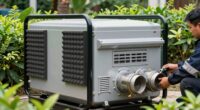
To plan backup power for your freezers without guesswork, start by checking their wattage or amperage ratings and note typical runtime. Use power monitoring devices to track real-time energy use and identify other appliances that impact your system. Choose a backup solution—like a generator or battery system—that corresponds to your freezer’s demand with a safety margin. Regular maintenance and testing guarantee reliable performance, and you’ll find practical tips to keep your food safe even during outages.
Key Takeaways
- Determine the freezer’s exact energy consumption using labels, manuals, or power monitoring devices.
- Choose backup options that match or exceed the freezer’s peak power requirements with appropriate safety margins.
- Use energy-efficient freezers to reduce backup power size and extend run time during outages.
- Regularly test and maintain backup systems and monitoring devices to ensure reliable performance.
- Account for other connected appliances to prevent overloads and accurately plan available backup capacity.
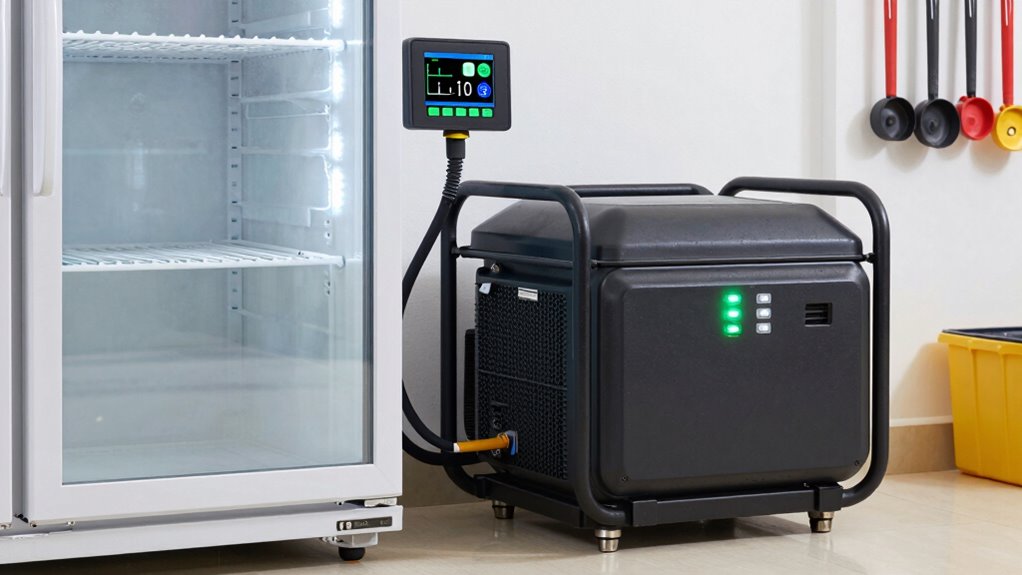
When a power outage strikes, your freezer’s contents are at risk, but planning backup power doesn’t have to be guesswork. The key is understanding your freezer’s energy needs and guaranteeing your backup solution can handle those demands efficiently. First, assess your freezer’s typical energy consumption. Check the label or user manual for wattage or amperage ratings, and note the average runtime during normal operation. This information helps you determine the size and capacity of the backup power source needed to keep your freezer running when the grid goes down.
Energy efficiency plays a vital role in designing an effective backup plan. The more energy-efficient your freezer, the less power it requires to stay cold, which means you’ll need a smaller, more affordable backup system. Consider upgrading to an energy-efficient freezer if your current one consumes excessive power. Additionally, choosing appliances with high Energy Star ratings ensures minimal energy draw during outages, making your backup power last longer and reducing overall costs.
Energy-efficient appliances reduce backup power needs, saving money and ensuring longer-lasting, reliable power during outages.
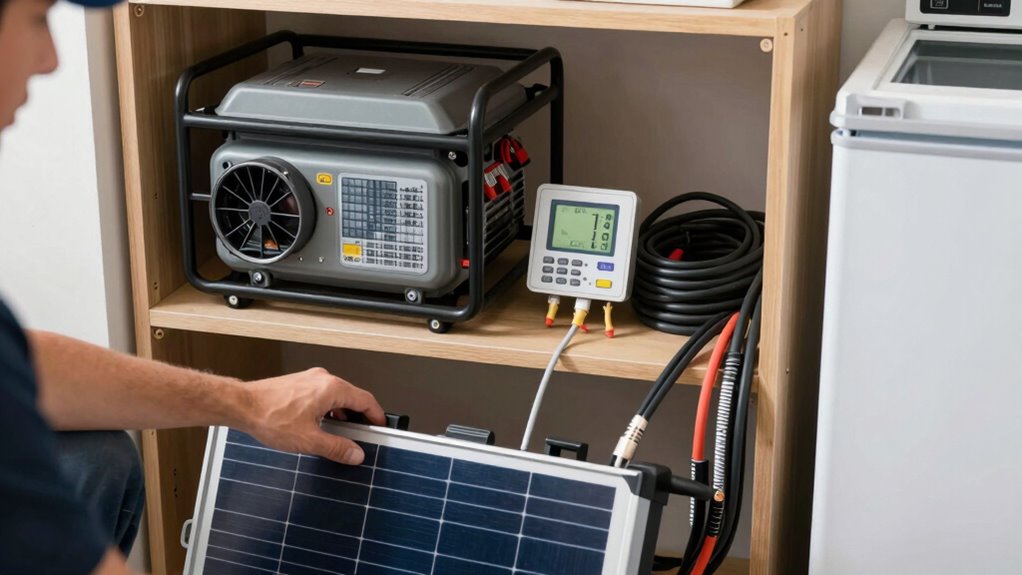
Power monitoring is essential to avoid overloading your backup system. Install a power monitoring device or smart plug that tracks real-time energy consumption. This allows you to see how much power your freezer draws during different conditions and helps you select a backup system capable of providing consistent, reliable power without overloads. Power monitoring also enables you to identify other appliances that may impact your power needs, so you can plan accordingly. Understanding your energy consumption is crucial for effective backup planning. Incorporating energy efficiency measures can significantly reduce your overall backup power requirements, providing cost savings and increased reliability. Additionally, it helps optimize the use of your backup system and extends its lifespan.
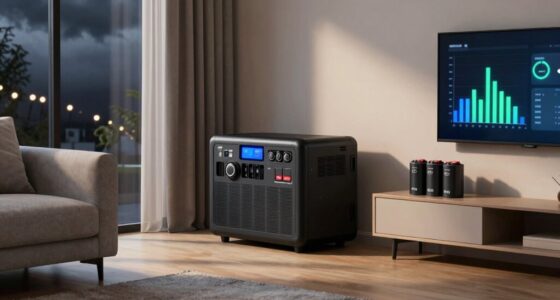
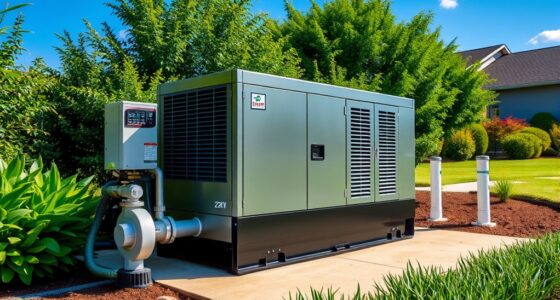
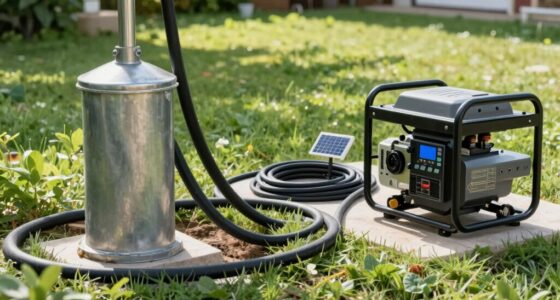
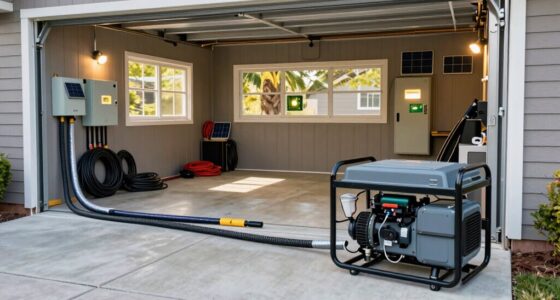
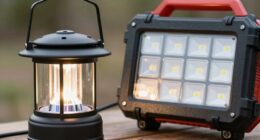
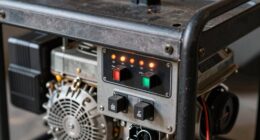
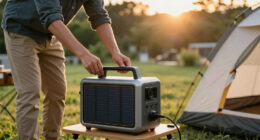
When selecting a backup power source, consider options like portable generators, battery backups, or inverter systems. Portable generators are suitable for extended outages and can handle larger power requirements but require fuel and regular maintenance. Battery backups and inverters are more efficient for short-term outages and provide cleaner power, which is better for sensitive electronics. Match the capacity of your backup system to your monitored power usage, and always include a margin for safety to accommodate startup surges or unexpected increases in power demand. To ensure that your backup system remains reliable, it is also important to understand the operation of different backup power options. Knowing the power capacity needed for your freezer ensures your backup system can handle peak demands during outages.
Finally, plan for routine maintenance and testing of your backup system. Regularly verify that your generator or battery system is functioning properly and that your power monitoring devices are working accurately. This proactive approach ensures you’ll be ready when an outage occurs, allowing you to keep your freezer cold and your food safe without guesswork or unnecessary expense. By paying attention to energy efficiency and utilizing power monitoring, you make smarter choices that keep your backup power reliable, effective, and tailored to your needs. Being aware of backup power options and how they operate can help you make better-informed decisions to protect your home and food supplies.

EF ECOFLOW Portable Power Station DELTA 2, 1024Wh LiFePO4 (LFP) Battery, 1800W AC/100W USB-C Output, Solar Generator(Solar Panel Optional) for Home Backup Power, Camping & RVs
7 X Faster Charging. 0-80% in just 50 mins and 0-100% in 80 mins with AC input. That's...
As an affiliate, we earn on qualifying purchases.
Frequently Asked Questions
What Are the Best Alternative Power Sources for Freezers?
You should consider battery backups and fuel generators as the best alternative power sources for your freezers. Battery backups provide immediate, silent power during outages, ensuring your freezer stays cold without interruption. Fuel generators, on the other hand, offer longer-lasting energy and can handle higher power loads. Combining both options gives you reliable, flexible backup power, so your freezer remains operational regardless of power issues.
How Do Outdoor Conditions Affect Backup Power Options?
Outdoor weather and temperature fluctuations can turn your backup power plans into a comedy of errors. When the weather’s wild, your backup options might struggle—batteries drain faster in cold, generators overheat in heat, and solar panels lose juice on cloudy days. So, you need a plan that considers these outdoor conditions, ensuring your freezer stays cool no matter how Mother Nature throws her tantrum.
Can Solar Power Reliably Support Freezer Backup Needs?
Yes, solar power can reliably support freezer backup needs if you incorporate battery storage and focus on power efficiency. Solar panels generate clean energy during sunny periods, while batteries store excess power for cloudy days or nighttime. By optimizing your system’s efficiency, you guarantee your freezer stays powered consistently. This approach reduces reliance on grid power, making your backup solution both sustainable and dependable, especially in remote or off-grid locations.
How Long Can a Freezer Stay Cold During a Power Outage?
Your freezer can keep food cold for about 24-48 hours during a power outage if unopened. To maximize this, rely on temperature monitoring to track internal temps and guarantee food safety. Power preservation techniques like adding dry ice or using a generator help extend cold retention. Remember, every minute counts—staying proactive with backup plans keeps your frozen goods safe from spoilage, like a fortress against temperature chaos.
What Safety Precautions Should Be Taken With Backup Generators?
You should always follow safety precautions with backup generators by performing regular generator maintenance to guarantee reliable operation. Keep the generator in a well-ventilated area to prevent carbon monoxide buildup, and never run it indoors. Before refueling, turn off the generator and allow it to cool. Establish a safety shutdown procedure, so you can quickly turn off the generator during emergencies or maintenance, reducing risks of fire or electrical hazards.

Jackery HomePower 3000 Portable Power Station with 2X 200W Solar Panels, 3600W (Surge 7200W) Output, 3072Wh LFP Battery Solar Generator, Essential Backup for Home Use, Power Outage, RV, Emergencies
Essential Home Backup: With a robust 3600W output (7200W surge) and a 3072Wh capacity, the Jackery HomePower 3000...
As an affiliate, we earn on qualifying purchases.
Conclusion
Planning backup power for your freezers doesn’t have to be complicated. With the right approach, you can guarantee your frozen goods stay safe during power outages. Remember, approximately 4.5 million homes in the U.S. experience power outages each year, making reliable backup plans essential. By understanding your freezer’s power needs and choosing the right backup system, you’ll minimize food loss and stress. Take action now — your groceries will thank you!
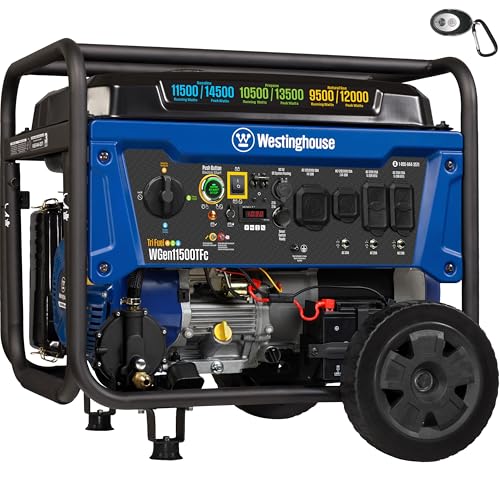
Westinghouse 14500 Peak Watt Tri-Fuel Home Backup Portable Generator, Remote Electric Start, Transfer Switch Ready, Gas, Propane, and Natural Gas Powered
Perfect as a backup power source for larger homes or a dependable source of portable power
As an affiliate, we earn on qualifying purchases.
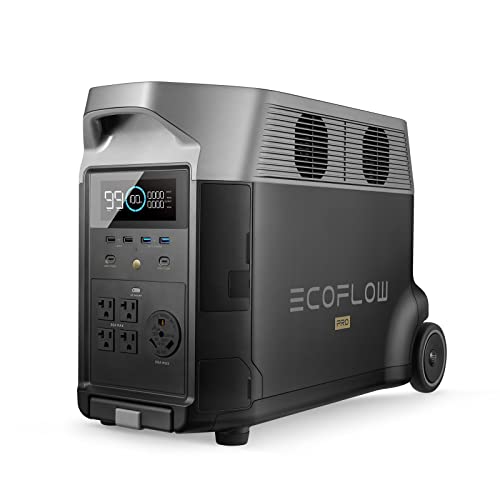
EF ECOFLOW Portable Power Station 3600Wh DELTA Pro, 120V AC Outlets x 5, 3600W, 2.7H Fast Charge, Lifepo4 Power Station, Solar Generator for Home Use, Power Outage, Camping, RV, Emergencies
30% Tax Credit Could be Applied. You could apply for the Residential Clean Energy Credit for qualified solar...
As an affiliate, we earn on qualifying purchases.