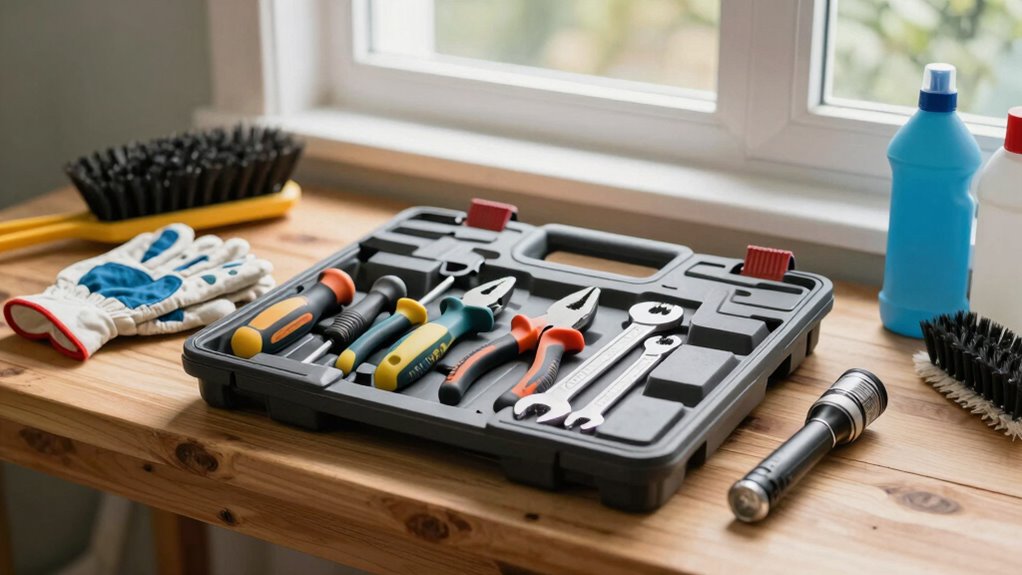
Choosing the right standby generator maintenance kit is vital for keeping your backup power system reliable when you need it most. The best kits balance comprehensive parts, quality materials, and ease of use, but they vary in price and scope. The Briggs & Stratton 6035 stands out as the overall best for its versatility and durability, while Generac 5664 offers excellent value for air-cooled models. A key tradeoff in this category is between complete coverage and affordability—more comprehensive kits tend to cost more but save time and effort. Keep reading to see how these options compare and find the perfect fit for your generator’s needs.

Get backup power and energy gear delivered free with Prime
- Fast, free delivery on millions of items
- Prime Video, Amazon Music and more included
- Member-only deals all year
Complete the kit


Key Takeaways
- The top-performing kits offer a balanced mix of oil filters, spark plugs, and air filters tailored to specific generator models.
- Premium options tend to include synthetic oils and more durable parts, justifying higher prices for long-term reliability.
- Compatibility is critical; choosing a kit designed specifically for your generator model ensures easier installation and better performance.
- Affordable kits often cover basic maintenance but may lack certain filters or oils needed for optimal operation.
- Ease of use and clear instructions are common features among the best kits, especially for those new to generator maintenance.
| Briggs & Stratton 6035 Standby Generator Maintenance Kit, 10,000-12,000 Watt |  | Best Overall for Mid-Range Generators | Product Dimensions: 8.8 x 5 x 9 inches | Item Weight: 4 pounds | Manufacturer: Briggs and Stratton Power Products | VIEW ON AMAZON | See Our Full Breakdown |
| Kohler Generators Maintenance Kit – CH1000 17/18/20KW |  | Best for Kohler 17-20KW Generators | Product Dimensions: 14 x 9 x 10 inches | Item Weight: 7.98 pounds | Manufacturer: Kohler | VIEW ON AMAZON | See Our Full Breakdown |
| 6484 Maintenance Kit for Generac 12-18kW Standby Generators |  | Best for Generac 12-18kW Models | Compatibility: Generac 12-18kW standby generators, 760-990cc engine | Includes: Oil filter, air filter, spark plugs, oil funnel, chamois | Item Weight: 1.43 pounds | VIEW ON AMAZON | See Our Full Breakdown |
| Generators Maintenance Kit for Generac 12-18 kW Automatic Standby Generators |  | Best for Pre-2013 Generac 12-18kW Units | Compatibility: Generac 12-18 kW automatic standby generators prior to 2013 | Includes: Air filter, oil filter, spark plugs, funnels | Engine Displacement: 990 cc | VIEW ON AMAZON | See Our Full Breakdown |
| Generac 5664 Air Cooled Home Standby Generator Maintenance Kit |  | Best for Generac 13-17kW Home Units | Wattage: 17 KW | Fuel Type: Gasoline | Engine Type: 4 Stroke | VIEW ON AMAZON | See Our Full Breakdown |
| Generac 20Kw-22Kw Maintenance Kit (Synthetic Oil) |  | Best Overall for Generac 20-22KW Generators | Wattage: 20-22 KW | Fuel Type: electric | Power Source: generator | VIEW ON AMAZON | See Our Full Breakdown |
| Generac 6484 Maintenance Kit for 12-18 kW Generators |  | Best Value for 12-18KW Generac Models | Engine Compatibility: 12-18 kW Generac air-cooled standby generators, 760cc–990cc engines | Included Parts: Pre-cleaner, air filter, oil filter, 2 spark plugs, oil funnel, chamois, instruction manual, reminder sticker | Service Interval: Every 200 hours or 2 years | VIEW ON AMAZON | See Our Full Breakdown |
| Generac 5W-20 Maintenance Kit for 20Kw-26Kw 999cc Generators (Replaces A0002074712) |  | Best for High-Performance 20-26KW Generators | Wattage: 26,000 watts | Fuel Type: Natural Gas | Power Source: Fuel Powered | VIEW ON AMAZON | See Our Full Breakdown |
| Generac 6485 Scheduled Maintenance Kit for 20kW-26kW Standby Generators with 999cc Engine |  | Best for Scheduled Maintenance on 20-26KW Generac Units | Fits Generators: 20kW, 22kW, 24kW, 26kW air-cooled models | Engine Type: 999cc V-Twin | Manufacture Year: 2013 or later | VIEW ON AMAZON | See Our Full Breakdown |
| 6485 Maintenance Kit for Generac 16-26kW Air Cooled Standby Generators – Includes Oil Filter, Air Filter, Spark Plugs |  | Best for Wide Range of Guardian Series Models | Model Number: 6485 | Compatible Generators: Guardian Series 16kW-26kW | Engine Displacement: 999cc | VIEW ON AMAZON | See Our Full Breakdown |
| standby generator maintenance kit | Includes |
|---|---|
| Briggs & Stratton 6035 Standby | — |
| Kohler Generators Maintenance | — |
| 6484 Maintenance Kit for Gener | Oil filter, air filter, spark plugs, oil funnel, chamois |
| Generators Maintenance Kit for | Air filter, oil filter, spark plugs, funnels |
| Generac 5664 Air Cooled Home S | — |
| Generac 20Kw-22Kw Maintenance | — |
| Generac 6484 Maintenance Kit f | — |
| Generac 5W-20 Maintenance Kit | Pre-packaged 5W-20 full synthetic engine oil |
| Generac 6485 Scheduled Mainten | Air filter, foam pre-cleaner, oil filter, spark plugs, funnel, cloth, sticker, manual |
| 6485 Maintenance Kit for Gener | Oil filter, air filter, spark plugs, oil funnel |
More Details on Our Top Picks
Briggs & Stratton 6035 Standby Generator Maintenance Kit, 10,000-12,000 Watt
This kit stands out for its comprehensive approach to maintaining 10,000-12,000 watt generators, with pre-measured synthetic oil and essential filters. Unlike the Generac 6484 kit, which focuses solely on parts for 12-18kW models, the Briggs & Stratton 6035 offers a more tailored package for its specified wattage range. However, it lacks detailed instructions, unlike some premium options, meaning users need some mechanical knowledge. The included synthetic oil simplifies oil changes, making maintenance straightforward. Still, the kit’s limited scope and absence of tools mean it’s best for owners familiar with basic generator upkeep. Overall, this kit is ideal for those who want a reliable, all-in-one solution for specific generator sizes without extra frills.
Pros:- Complete kit with all necessary components for routine maintenance
- Pre-measured synthetic oil simplifies oil changes
- Designed specifically for 10,000-12,000 watt generators
Cons:- Limited to specific generator wattages, reducing versatility
- No detailed instructions included, requiring some mechanical knowledge
Best for: Homeowners with 10,000-12,000 watt Briggs & Stratton standby generators seeking a complete, straightforward maintenance solution.
Not ideal for: Users with different wattage generators or those preferring detailed instructions and additional tools for maintenance.
- Product Dimensions:8.8 x 5 x 9 inches
- Item Weight:4 pounds
- Manufacturer:Briggs and Stratton Power Products
- ASIN:B000CSOH1S
- Item Model Number:6035
Our verdict“This kit offers an effective, all-in-one maintenance package ideal for owners of specific Briggs & Stratton generators with moderate wattage needs.”
Kohler Generators Maintenance Kit – CH1000 17/18/20KW
This kit is tailored for Kohler generators in the 17/18/20KW range, providing essential filters and oil to keep these models running smoothly. Compared to the Generac 6484 kit, which is designed for 12-18kW models, the Kohler kit caters specifically to higher wattage units, making it more suitable for owners of those specific Kohler models. It’s straightforward for those familiar with generator maintenance but lacks detailed instructions, which could challenge less experienced users. Because it includes all necessary filters and oil, it simplifies routine upkeep. However, its limited compatibility narrows its usefulness for owners of generators outside this range. This kit is best suited for owners of Kohler models within the specified wattage bracket who prefer a simple, targeted maintenance package.
Pros:- Includes all necessary filters and oil for regular maintenance
- Helps improve generator performance and lifespan
- Easy to use for routine upkeep
Cons:- Limited to specific Kohler generator models
- No detailed instructions included, requiring prior maintenance knowledge
Best for: Kohler generator owners with 17-20KW units looking for a dedicated, easy-to-use maintenance kit.
Not ideal for: Owners of generators outside the specified wattage range or those seeking a more comprehensive, detailed maintenance guide.
- Product Dimensions:14 x 9 x 10 inches
- Item Weight:7.98 pounds
- Manufacturer:Kohler
- ASIN:B0CN869KV2
- Item Model Number:CH1000 – 17/18/20KW
Our verdict“This kit is best for dedicated Kohler owners who want a straightforward, model-specific maintenance solution for their units.”
6484 Maintenance Kit for Generac 12-18kW Standby Generators
This kit is designed for Generac 12-18kW standby generators, including filters, spark plugs, and accessories to support scheduled maintenance. Compared with the Generac 6485, which targets larger units, this model offers a focused package for mid-range models, but it requires basic mechanical skills for installation. It’s a good choice for owners who want a comprehensive set of parts without the need for additional tools or complex procedures. However, it’s limited to specific generator models, and the absence of detailed instructions could pose a challenge for less experienced users. The inclusion of essential components makes it suitable for regular maintenance, but it’s less versatile than premium kits that include more advanced diagnostics or tools.
Pros:- Includes all necessary parts for routine maintenance
- Compatible with a range of Generac 12-18kW models
- Affordable, all-in-one solution
Cons:- Limited to specific generator models
- Requires basic mechanical knowledge for installation
- No detailed instructions provided
Best for: Homeowners with Generac 12-18kW standby generators seeking a reliable, dedicated maintenance kit.
Not ideal for: Owners of generators outside this wattage range or those lacking mechanical skills for installation.
- Compatibility:Generac 12-18kW standby generators, 760-990cc engine
- Includes:Oil filter, air filter, spark plugs, oil funnel, chamois
- Item Weight:1.43 pounds
- Product Dimensions:7 x 6.99 x 7 inches
- Warranty:1-year replacement warranty
Our verdict“This kit provides a solid, model-specific maintenance set ideal for Generac 12-18kW owners comfortable with mechanical work.”
Generators Maintenance Kit for Generac 12-18 kW Automatic Standby Generators
This kit is tailored for older Generac models (pre-2013), including filters, spark plugs, and funnels to support scheduled maintenance. Compared to the Generac 6484 kit, which is also for similar wattage ranges, this one emphasizes compatibility with earlier models, making it less suitable for newer units. It’s a practical choice for owners with vintage Generac generators who prefer a straightforward, parts-focused approach. The inclusion of essential filters and spark plugs simplifies routine maintenance, but the lack of detailed instructions could be a hurdle for DIY users. Its limited compatibility means it’s less useful for owners with modern or different-brand models. This kit is best for those maintaining older Generac generators who want a reliable, basic set of parts.
Pros:- Includes essential filters and spark plugs
- Designed specifically for older Generac models
- Affordable maintenance option
Cons:- Limited to pre-2013 models
- No detailed installation instructions included
- Compatibility restricted to specific models
Best for: Homeowners with pre-2013 Generac 12-18kW generators needing a dedicated maintenance set.
Not ideal for: Owners with newer Generac models or other brands, due to limited compatibility.
- Compatibility:Generac 12-18 kW automatic standby generators prior to 2013
- Includes:Air filter, oil filter, spark plugs, funnels
- Engine Displacement:990 cc
- Wattage:18000 W
- Warranty:1-year replacement warranty
Our verdict“This kit offers a dependable maintenance solution for owners of vintage Generac 12-18kW generators who prefer simplicity.”
Generac 5664 Air Cooled Home Standby Generator Maintenance Kit
This comprehensive kit supports Generac air-cooled standby generators rated between 13kW and 17kW, including filters, spark plug, and accessories. Compared to the Generac 6485, which covers larger models, this kit is tailored for slightly smaller units, making it a good fit for residential applications. It helps maximize generator reliability, especially in dusty environments where air filters are critical. However, oil is not included, requiring owners to purchase it separately, which adds an extra step. The kit’s focus on essential parts makes it suitable for routine maintenance but less ideal for those seeking detailed instructions or advanced diagnostics. Overall, this package benefits owners who want a reliable, all-in-one maintenance set for their home standby generator.
Pros:- Includes all essential components for maintenance
- Designed specifically for Generac 13-17kW models
- Helps maintain generator reliability and longevity
Cons:- Oil not included, additional purchase required
- Limited to Generac models manufactured between 2008 and 2012
- Regular maintenance needed every 200 hours or 2 years
Best for: Residential users with Generac 13-17kW air-cooled generators seeking a dependable maintenance kit.
Not ideal for: Owners of larger units or those seeking an all-in-one kit with oil included and detailed guidance.
- Wattage:17 KW
- Fuel Type:Gasoline
- Engine Type:4 Stroke
- Engine Displacement:990cc
- Starting Wattage:17 KW
- Runtime:200 hours
Our verdict“This kit offers a solid, focused maintenance solution for residential Generac generators within the specified wattage range.”
Generac 20Kw-22Kw Maintenance Kit (Synthetic Oil)
This OEM kit stands out for its tailored fit for Generac 20Kw-22Kw models and includes synthetic oil, which can improve engine longevity compared to standard oils. Compared to the Generac 6485 Scheduled Maintenance Kit, this option offers a more specific solution for larger units, but it provides less detail about included components, making it less transparent. Its genuine OEM parts ensure compatibility and reliability, making routine maintenance straightforward and effective. The main tradeoff is the limited information on exactly what’s inside, so users with complex setups might want a more detailed kit. This pick makes the most sense for homeowners with these specific models seeking a reliable, OEM-approved maintenance solution.
Pros:- Genuine OEM parts ensure compatibility and reliability
- Includes synthetic oil for improved engine performance
- Designed specifically for 20-22KW Generac models
Cons:- Limited info on the specific components included
- Requires checking compatibility with specific generator models
Best for: Owners of Generac 20-22KW standby generators who prioritize OEM parts and synthetic oil for optimal performance
Not ideal for: Users with different generator brands or smaller units, as this kit is tailored specifically for larger Generac models
- Wattage:20-22 KW
- Fuel Type:electric
- Power Source:generator
- Voltage:240 volts
- Output Wattage:22 KW
- Engine Type:4 Stroke
- Frequency:60 hertz
- Material Type:plastic
Our verdict“This kit is ideal for homeowners with 20-22KW Generac generators seeking a tailored, OEM-approved maintenance solution.”
Generac 6484 Maintenance Kit for 12-18 kW Generators
This OEM kit offers a full set of filters, spark plugs, and accessories for 12-18KW air-cooled Generac generators, making it a practical choice for regular maintenance. Unlike the Generac 6485 Scheduled Maintenance Kit which includes more accessories and a manual, this kit is more streamlined, focusing on essential components. Its inclusion of OEM parts supports warranty compliance and reliable operation, but the need to purchase oil separately can add to the overall cost. Installation is straightforward, with no special tools required, but the relatively frequent service interval means it might be less suitable in dusty environments. This kit is best for owners seeking a cost-effective, OEM-compliant maintenance package for regular servicing of their 12-18KW units.
Pros:- Contains all OEM parts needed for full maintenance
- Supports warranty compliance with genuine OEM components
- Easy to install without special tools
Cons:- Engine oil must be purchased separately
- Service interval may be frequent in dusty conditions
Best for: Owners of 12-18KW Generac air-cooled standby generators looking for an all-in-one OEM parts kit for routine maintenance
Not ideal for: Those with portable generators or larger units outside this wattage range, as it’s tailored specifically for these models
- Engine Compatibility:12-18 kW Generac air-cooled standby generators, 760cc–990cc engines
- Included Parts:Pre-cleaner, air filter, oil filter, 2 spark plugs, oil funnel, chamois, instruction manual, reminder sticker
- Service Interval:Every 200 hours or 2 years
- Model Compatibility:Models 6240–6249, 6254–6257, 6281, 6459–6721, including Honeywell and Centurion
- Oil Type:5W-30 full synthetic (sold separately)
Our verdict“This kit suits owners of 12-18KW Generac models wanting a complete OEM maintenance package at an affordable price.”
Generac 5W-20 Maintenance Kit for 20Kw-26Kw 999cc Generators (Replaces A0002074712)
This kit is tailored for 20-26KW Generac generators with 999cc engines and includes high-quality synthetic 5W-20 oil, which can optimize engine efficiency and longevity. Compared to the Generac 6485 Scheduled Maintenance Kit, it offers a more specialized oil choice and is designed specifically for larger wattage units. The inclusion of synthetic oil ensures better performance under various conditions, but the kit is limited to specific generator models and requires familiarity with maintenance procedures. It does not include detailed instructions, which could challenge less experienced users. This product is best suited for owners who want a premium maintenance kit with synthetic oil for their higher-capacity models and are comfortable with DIY servicing.
Pros:- Includes premium synthetic 5W-20 engine oil
- Designed specifically for 20-26KW Generac units
- Helps extend generator lifespan and efficiency
Cons:- Limited to specific generator models
- No detailed instructions included
Best for: Owners of 20-26KW Generac generators with 999cc engines seeking high-quality synthetic oil and OEM parts for optimal performance
Not ideal for: Users with smaller or different brand generators, or those preferring pre-packaged oil in a separate container
- Wattage:26,000 watts
- Fuel Type:Natural Gas
- Power Source:Fuel Powered
- Output Wattage:20,000 watts
- Includes:Pre-packaged 5W-20 full synthetic engine oil
- Engine Type:Generac G-Force 999cc V-Twin
- Engine Displacement:999 cc
- Starting Wattage:26,000 watts
Our verdict“Ideal for owners of larger capacity Generac units wanting a high-quality, OEM maintenance kit with synthetic oil.”
Generac 6485 Scheduled Maintenance Kit for 20kW-26kW Standby Generators with 999cc Engine
This comprehensive OEM kit is designed for Generac standby generators from 2013 onward with 999cc engines, including filters, spark plugs, and accessories. Unlike the Generac 6484 Maintenance Kit which is more basic, this kit emphasizes adherence to scheduled maintenance, supporting warranty and performance. Its inclusion of accessories like a funnel, cloth, and reminder sticker simplifies DIY servicing. However, the need to purchase engine oil separately can increase overall maintenance costs. The manual provides clear guidance, but the kit’s compatibility is limited to newer models. This choice is best for owners who want a complete scheduled maintenance package to keep their 2013+ units running smoothly and within warranty.
Pros:- Contains all OEM parts necessary for scheduled maintenance
- Includes helpful accessories and a manual for DIY service
- Supports warranty and long-term performance
Cons:- Engine oil must be purchased separately
- Limited to generators built from 2013 onward
Best for: Owners of 20-26KW Generac units built from 2013 onward seeking a full OEM scheduled maintenance kit
Not ideal for: Owners of older models or non-Generac units, as the kit is tailored specifically for newer Generac engines
- Fits Generators:20kW, 22kW, 24kW, 26kW air-cooled models
- Engine Type:999cc V-Twin
- Manufacture Year:2013 or later
- Includes:Air filter, foam pre-cleaner, oil filter, spark plugs, funnel, cloth, sticker, manual
- Part Compatibility:Generac, Honeywell by Generac, Centurion by Generac
- Service Interval:Every 200 hours or 2 years
- Engine Oil:Not included, SAE 5W-30 synthetic recommended
Our verdict“This kit is a solid choice for owners of newer Generac units aiming to perform scheduled maintenance with OEM parts and accessories.”
6485 Maintenance Kit for Generac 16-26kW Air Cooled Standby Generators – Includes Oil Filter, Air Filter, Spark Plugs
This all-in-one kit covers a broad spectrum of Generac Guardian Series air-cooled models from 16kW to 26kW, including essential filters, spark plugs, and a bonus oil funnel. Compared to the Generac 6484 Maintenance Kit for 12-18KW models, this kit extends compatibility across more powerful units, making it a versatile choice for larger or mixed-generation installations. Its OEM-certified parts support longevity and warranty compliance, but it requires basic mechanical skills for installation and does not include detailed instructions, which might challenge less experienced users. The inclusion of a bonus oil funnel simplifies oil changes, making this a practical, all-around maintenance kit for owners with multiple Guardian series units.
Pros:- Complete set of essential OEM parts for routine maintenance
- Compatible with a wide range of Guardian Series models
- Includes a bonus oil funnel for easier oil changes
- High-quality filters and parts tested to meet OEM standards
Cons:- Installation requires basic mechanical skills
- No detailed instructions included
Best for: Owners of Generac Guardian Series 16-26KW units seeking a comprehensive, OEM parts maintenance kit for routine servicing
Not ideal for: Owners of smaller or non-Guardian series generators, as this kit is specifically designed for larger models
- Model Number:6485
- Compatible Generators:Guardian Series 16kW-26kW
- Engine Displacement:999cc
- Includes:Oil filter, air filter, spark plugs, oil funnel
- Item Weight:1.37 pounds
- Dimensions:6 x 5 x 10 inches
Our verdict“This kit offers broad compatibility and convenience for owners maintaining multiple Guardian Series generators within the 16-26KW range.”

How We Picked
I evaluated each maintenance kit based on its comprehensiveness, compatibility, build quality, and ease of installation. Kits that included essential components like filters, spark plugs, and oils scored higher, especially if they matched popular generator models. Price was also a factor, but I prioritized value over cheapness—more complete kits that justify their cost ranked higher. I also considered user feedback and manufacturer reputation to ensure reliability and durability, which are crucial for standby generators that must operate flawlessly during power outages. The ranking reflects a balance of these factors, aiming to help buyers find a kit that fits both their technical needs and budget.| standby generator maintenance kit | Includes |
|---|---|
| Briggs & Stratton 6035 Standby | — |
| Kohler Generators Maintenance | — |
| 6484 Maintenance Kit for Gener | Oil filter, air filter, spark plugs, oil funnel, chamois |
| Generators Maintenance Kit for | Air filter, oil filter, spark plugs, funnels |
| Generac 5664 Air Cooled Home S | — |
| Generac 20Kw-22Kw Maintenance | — |
| Generac 6484 Maintenance Kit f | — |
| Generac 5W-20 Maintenance Kit | Pre-packaged 5W-20 full synthetic engine oil |
| Generac 6485 Scheduled Mainten | Air filter, foam pre-cleaner, oil filter, spark plugs, funnel, cloth, sticker, manual |
| 6485 Maintenance Kit for Gener | Oil filter, air filter, spark plugs, oil funnel |
Factors to Consider When Choosing Standby Generator Maintenance Kits
When selecting a standby generator maintenance kit, understanding key factors beyond just the product features helps ensure you make a smart investment. Proper maintenance not only extends your generator’s lifespan but also guarantees it will perform when needed most. Here are some critical considerations to keep in mind:Compatibility with Your Generator Model
Matching the maintenance kit to your specific generator model is essential. Many kits are tailored for certain wattages or brands, and using an incompatible kit can lead to installation issues or overlooked maintenance needs. Always check the model number and confirm compatibility before purchasing. This ensures you get the right parts, like filters and oils, which fit perfectly and function correctly, saving troubleshooting time later.
Coverage of Essential Components
A comprehensive kit should include filters (oil, air, fuel), spark plugs, and oils suitable for your generator. Overlooking one of these can lead to uneven wear or breakdowns. Cheaper kits may omit certain parts, tempting buyers to buy separately, which can complicate maintenance schedules. Prioritize kits that cover all critical components for your generator’s size and type, even if they cost slightly more.
Quality of Materials and Parts
Durability matters, especially since these kits are meant for standby generators that might sit idle for long periods. High-quality filters and synthetic oils can withstand temperature fluctuations and reduce engine wear. Cheaper, low-grade parts might save money upfront but could compromise reliability over time. Look for reputable brands known for manufacturing sturdy, reliable components.
Ease of Installation and Instructions
If you’re not a seasoned DIYer, kits with clear instructions and straightforward installation are worth the extra cost. Some kits come with detailed guides or even video tutorials, which can save hours of frustration. For more complex generator models, consider professional installation to avoid mistakes that could impair performance or void warranties.
Price and Long-term Value
While it’s tempting to choose the cheapest option, consider the long-term savings of investing in a higher-quality kit. Premium kits often include better oils and filters that extend maintenance intervals and improve engine lifespan. Conversely, budget kits might require more frequent replacements or additional purchases down the line. Balance your immediate budget with the expected longevity and reliability of the kit.
Frequently Asked Questions
Can I use a generic maintenance kit on my specific generator model?
Using a generic or universal maintenance kit may seem convenient, but it can pose risks if parts are not perfectly compatible. Many generator models have unique filter sizes and oil specifications, and mismatched parts can impair performance or cause damage. Always check the manufacturer’s recommendations and select a kit designed for your generator’s model and wattage to ensure proper fit and function.
How often should I replace parts in my standby generator maintenance kit?
Most maintenance parts, like filters and spark plugs, should be replaced according to your generator manufacturer’s schedule, often every 100-200 hours of operation or once a year. Synthetic oils used in premium kits typically last longer and provide better protection. Regular maintenance ensures your generator starts reliably during outages and extends its lifespan, so follow the guidelines tailored to your specific model.
Is it worth paying more for a synthetic oil maintenance kit?
Investing in a synthetic oil kit generally offers better engine protection, especially during extreme temperatures or prolonged siting periods. Synthetic oils resist breakdown and help maintain optimal engine performance over longer intervals, reducing the frequency of oil changes. While initially more expensive, these kits can save money in the long run by preventing engine wear and ensuring reliable operation when needed most.
Should I perform maintenance myself or hire a professional?
Performing maintenance yourself can save money and give you better control over the process, especially if you follow detailed instructions. However, if you’re unfamiliar with generator systems or handling certain parts, professional service might be safer and more effective. Proper maintenance is critical for standby generators, so weigh your comfort level and technical skills before deciding whether to DIY or hire a technician.
What are the signs that my generator needs maintenance beyond a kit?
If your generator is making strange noises, producing abnormal exhaust, or failing to start, these are signs it may need maintenance beyond regular parts replacement. Also, if it runs roughly or shows warning lights, inspections for worn components or fluid quality are advised. Regularly scheduled maintenance, even if there are no obvious issues, helps prevent emergency failures during power outages.
Conclusion
The best overall choice for most users is the Briggs & Stratton 6035, thanks to its comprehensive coverage and compatibility. Budget-conscious buyers seeking reliable performance should consider the Generac 5664 for air-cooled models, which offers solid value. For those new to generator maintenance, kits with clear instructions and simpler components, like basic Generac options, reduce technical hurdles. Premium users or those with larger, complex generators will benefit from high-end kits with synthetic oils and durable filters, ensuring long-term performance. Matching the kit to your specific generator model and maintenance needs makes all the difference in keeping your backup power ready when you need it most.
Halloween Picks
halloween
As an affiliate, we earn on qualifying purchases.