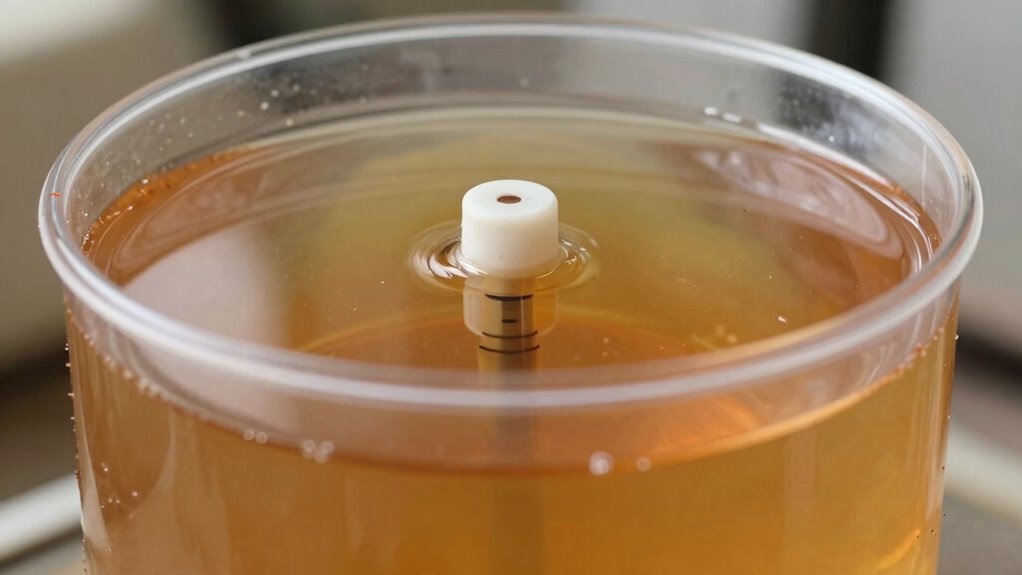

To prevent sludge in stored diesel, you should regularly inspect and clean your tanks to remove sediment and water buildup. Use high-quality filters and water separators during refueling to keep contaminants out. Keep the storage environment stable, well-ventilated, and sealed to avoid moisture and microbial growth. Drain water and sediments periodically, and maintain proper ventilation and temperature control inside the tank. Continuing with these practices helps guarantee your fuel stays clean and reliable over time.

Get backup power and energy gear delivered free with Prime
- Fast, free delivery on millions of items
- Prime Video, Amazon Music and more included
- Member-only deals all year
Key Takeaways
- Use high-quality, filtered diesel fuel during refueling and transfer processes.
- Regularly inspect and clean storage tanks to remove sediment and prevent buildup.
- Install water separators and drain water regularly to prevent microbial growth.
- Maintain proper storage conditions with stable temperatures and adequate ventilation.
- Perform routine maintenance and monitor tank conditions to detect and address contamination early.
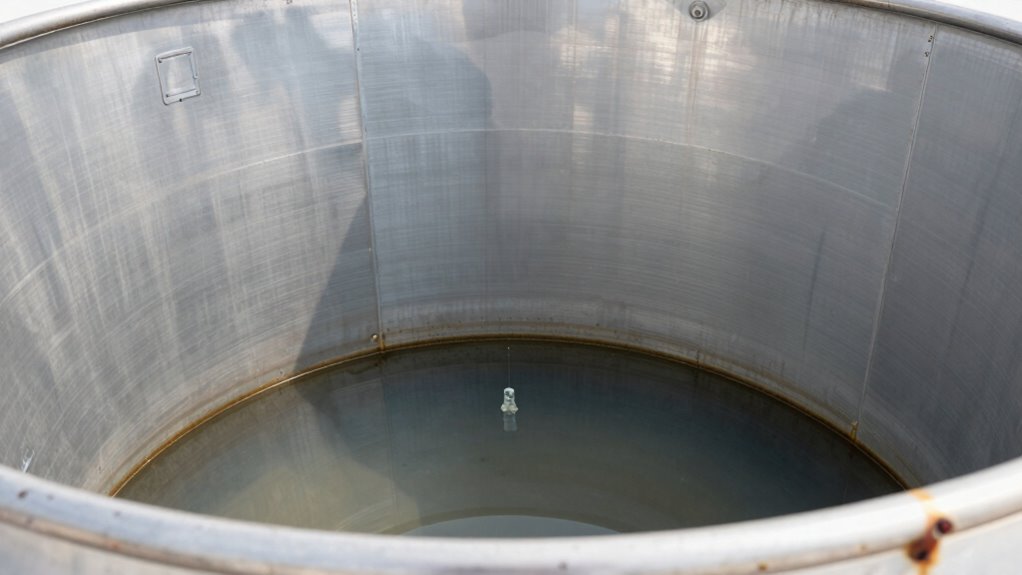
Have you ever wondered why stored diesel often develops sludge over time? The answer lies in how impurities and water interact within your storage system. Diesel isn’t just a simple fuel; it contains contaminants like dirt, rust, and microbial growth that can settle at the bottom of your tank, forming sludge. To prevent this, you need to focus on effective fuel filtration and proper storage tank maintenance. Fuel filtration is your first line of defense. Using high-quality filters during refueling or fuel transfer helps trap dirt, rust particles, and other debris before they settle and cause problems. Regularly replacing or cleaning these filters ensures your diesel stays cleaner longer, reducing the risk of sludge formation. Additionally, consider installing a water separator; water is a primary catalyst for microbial growth and rust, so removing it from your fuel system is critical.
Effective fuel filtration and regular maintenance prevent diesel sludge buildup and keep your fuel clean and reliable.
Storage tank maintenance also plays a crucial role in preventing sludge buildup. Start by inspecting your tank regularly for signs of corrosion, leaks, or sediment accumulation. Keeping the tank’s interior clean minimizes the risk of debris entering your fuel supply. Draining water and sediments from the bottom of the tank on a scheduled basis is essential, especially if you notice water accumulation. Installing a tank with a proper venting system can prevent moisture buildup inside the tank, which contributes to microbial growth and rust. It’s also important to keep the tank sealed tightly to prevent dirt, dust, and insects from contaminating the fuel. Proper fuel storage techniques, such as maintaining the right environment and monitoring tank conditions, are vital for preventing sludge formation. Ensuring your storage environment is well-ventilated can also help reduce moisture and microbial activity inside the tank.
Temperature control is another factor you should consider. Fluctuations in temperature cause condensation inside the tank, increasing moisture levels. This moisture promotes microbial growth, which accelerates sludge formation. Keeping your storage environment stable and ensuring the tank is properly ventilated reduces condensation risks. Water contamination is often introduced during fueling, so always use clean, filtered fuel from reputable sources. When filling your tank, avoid overfilling to prevent spills and air mixing, which can introduce moisture and dirt. It’s also beneficial to utilize synthetic lubricants that can help reduce corrosion and improve fuel stability over time. Maintaining proper fuel quality is essential for long-term storage and preventing sludge buildup.
In the end, preventing sludge in stored diesel requires diligent maintenance and attention to detail. Fuel filtration helps keep impurities out before they settle, while regular storage tank maintenance ensures the environment stays clean and dry. By staying proactive and monitoring your storage conditions, you can substantially extend the life of your diesel, improve engine performance, and avoid costly repairs caused by sludge buildup. Proper care isn’t just about protecting your investment; it’s about ensuring reliable operation whenever you need your diesel fuel most.
Frequently Asked Questions
How Does Temperature Affect Diesel Sludge Formation?
Temperature considerably impacts diesel sludge formation by influencing microbial growth. When temperatures are high, microbial activity accelerates, leading to increased sludge buildup. Conversely, maintaining proper temperature control keeps diesel cooler, slowing microbial growth and reducing sludge formation. You should monitor storage conditions carefully, ensuring the temperature stays within recommended ranges. This proactive approach helps prevent microbial contamination and sludge, keeping your diesel cleaner and more stable during storage.
Can Additives Completely Eliminate Sludge in Stored Diesel?
They say “don’t count your chickens before they hatch,” but you shouldn’t rely solely on additives to eliminate sludge in stored diesel. While additive effectiveness can help reduce sludge formation, it won’t completely prevent it, especially given the complex sludge composition. Regular maintenance, proper storage, and good filtration are essential. Additives are a helpful tool but not a foolproof solution for total sludge elimination.
What Is the Ideal Storage Duration for Diesel?
The ideal storage duration for diesel varies, but generally, you should aim to store it for no more than 6 to 12 months. To maintain fuel quality, you must ensure proper storage conditions, like a cool, dry, and sealed environment. Regular fuel filtration helps remove contaminants and prevents sludge buildup. Monitoring storage conditions and performing periodic fuel testing guarantees your diesel remains fresh and ready for use.
How Often Should Storage Tanks Be Inspected for Sludge?
You should inspect your storage tanks regularly—at least every three to six months—for sludge buildup. These routine tank maintenance checks help you spot sludge early and prevent problems. During inspections, look for signs of sediment or contamination, and perform prompt sludge removal if needed. Staying vigilant keeps your diesel fresh, reduces fuel issues, and prolongs tank lifespan. Consistent checks are key to controlling sludge and maintaining ideal fuel quality.
Does Diesel Type Influence Sludge Development?
Yes, diesel type influences sludge development. For example, biodiesel blends tend to be more prone to microbial contamination, which accelerates sludge formation and affects fuel stability. To prevent this, you should implement contamination control measures, such as using stabilizers and regular testing. Choosing high-quality diesel and maintaining proper storage conditions also help guarantee fuel stability, reducing the risk of sludge buildup over time.
Conclusion
To keep your stored diesel clean and sludge-free, regular maintenance is key. Don’t wait until you notice problems—inspect and filter your fuel periodically. Some might think it’s unnecessary, but neglecting this can lead to costly engine damage down the line. Taking simple steps now saves you money and hassle later. Stay proactive, and your diesel will stay cleaner, longer, ensuring reliable performance whenever you need it.
Halloween Picks
halloween
As an affiliate, we earn on qualifying purchases.