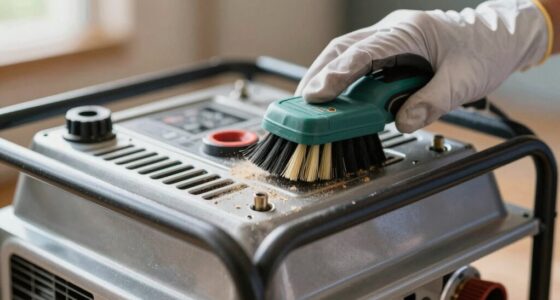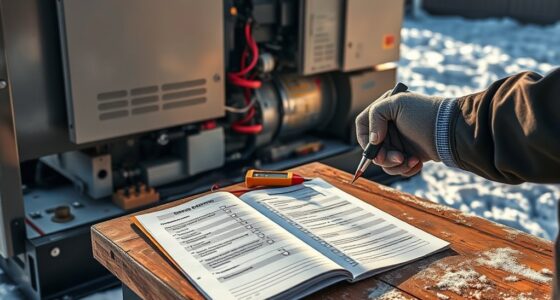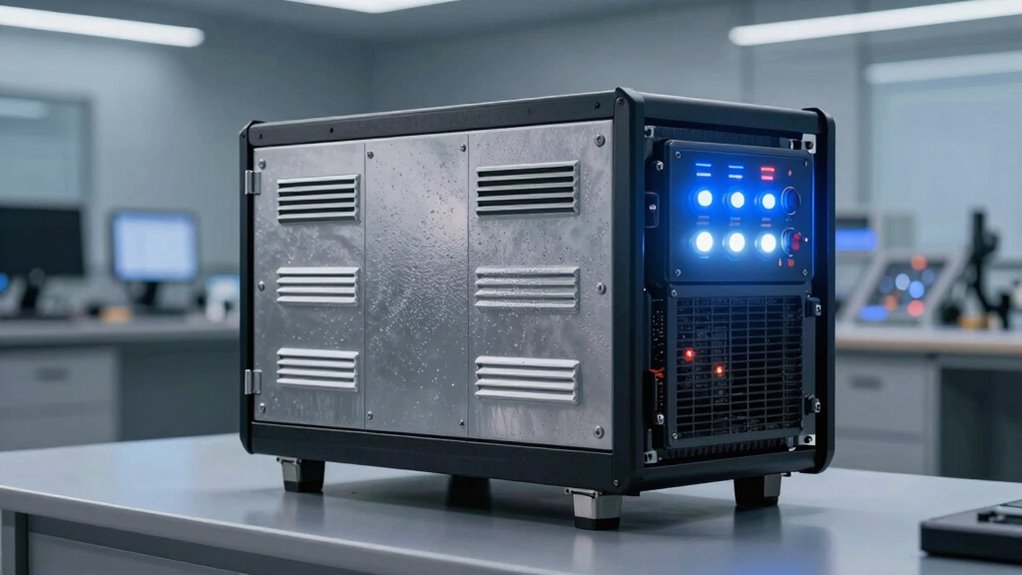

Generator cool-down cycles are vital for keeping your engine in top shape after heavy use. You should run the generator at low idle for a few minutes to allow lubricants to circulate and cool internal parts, preventing overheating and wear. Skipping this step risks damage, warping, or cracking components, which can lead to costly repairs. Properly cooling down your generator extends its lifespan and improves efficiency—stay tuned for more tips on how to master this essential routine.

Get backup power and energy gear delivered free with Prime
- Fast, free delivery on millions of items
- Prime Video, Amazon Music and more included
- Member-only deals all year
Key Takeaways
- Cool-down cycles prevent overheating and reduce internal component stress after heavy generator use.
- They ensure proper circulation of lubricants, promoting smoother engine operation and longevity.
- Skipping cool-down increases risks of warping, cracking, and accelerated engine deterioration.
- Implementing routine cool-down protocols extends generator lifespan and improves efficiency.
- Cool-down time should be adjusted based on temperature, altitude, and workload for optimal performance.
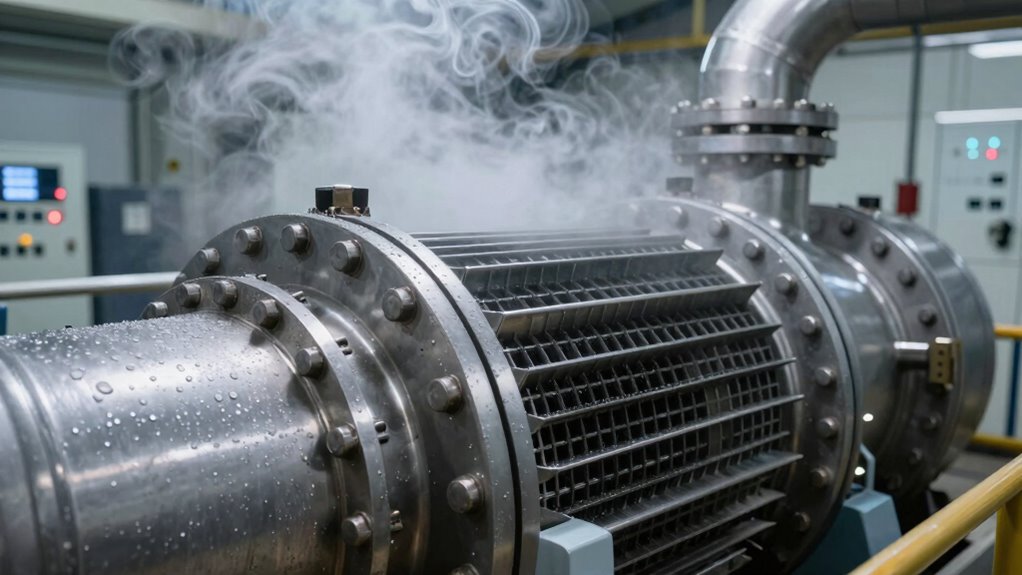
When a generator has been running for an extended period, it’s crucial to allow it to cool down properly before shutting it off completely. This cooling period isn’t just about preventing immediate damage; it also plays a essential role in maintaining fuel efficiency and ensuring your equipment stays in top shape. If you turn the generator off abruptly after heavy use, you risk overheating internal components, which can lead to more frequent repairs and increased maintenance costs. Proper cool-down cycles help the engine stabilize, reducing wear and tear, and ultimately prolonging its lifespan.
During operation, the engine generates a significant amount of heat, and if this heat isn’t allowed to dissipate gradually, it can cause thermal stress on critical parts like the pistons, cylinders, and valves. Over time, this stress may lead to warping or cracking, which increases the likelihood of breakdowns. Implementing a cool-down period also supports better fuel efficiency. When the engine cools down evenly, it runs more smoothly during start-up and operation, conserving fuel and reducing emissions. This is especially important if you’re relying on the generator for critical needs or long-term use, where efficiency can translate directly into cost savings.
Your maintenance schedules should incorporate cool-down protocols as a routine part of operation. Many manufacturers recommend operating the generator at a lower idle or letting it run for a few minutes after heavy use before shutting it off. This ensures the internal lubricants circulate thoroughly, protecting moving parts from excessive heat and friction. Skipping this step might seem minor but can accelerate the deterioration of engine components, leading to more frequent repairs and a shorter overall lifespan. Additionally, using a proper cool-down cycle helps prevent fuel system issues by reducing condensation and moisture buildup inside fuel lines and tanks, which can cause corrosion or varnish deposits. Proper cooling periods contribute to a cleaner, more efficient fuel system, reducing the need for maintenance and cleaning. Maintaining a consistent cooling routine is also vital for preventing thermal stress that can weaken engine parts over time. Understanding the importance of derating for altitude and temperature is also crucial, as it affects how long and effectively you should allow your generator to cool. Implementing proper cool-down practices can significantly extend your generator’s operational life and performance. Properly managing these cool-down cycles ensures the longevity and reliable performance of your generator, especially in extreme conditions. If you’re diligent about integrating cool-down cycles into your routine, you’ll find that your generator operates more reliably and with greater fuel efficiency over time.
Frequently Asked Questions
How Long Should a Generator Cool-Down Cycle Last?
You should let your generator cool down for at least 10 minutes after use. This cool-down period helps maintain fuel efficiency and prevents overheating, which can lead to costly repairs. It also aligns with regular maintenance schedules, ensuring your generator runs smoothly over time. Skipping this step might save time initially but could cause long-term damage, so always give it enough time to cool before shutting down completely.
Can Skipping the Cool-Down Process Damage the Generator?
Skipping the cool-down process is like rushing a hero off the battlefield—your generator risks damage. It can cause overheating and wear on components, leading to costly repairs. Regular generator maintenance and safety precautions, including proper cool-down cycles, protect your equipment and extend its lifespan. Always follow manufacturer guidelines to guarantee your generator runs smoothly and safely, avoiding unnecessary breakdowns and ensuring reliable power when you need it most.
What Temperature Indicates the Generator Is Ready for Shutdown?
You should consider shutting down your generator when temperature monitoring shows it has dropped to around 100°F (38°C). This indicates it’s cooled sufficiently for safe shutdown, preventing damage. During generator maintenance, always monitor the temperature closely, especially after heavy use, to guarantee it reaches this safe level. Proper cool-down cycles help maintain your generator’s longevity and efficiency, so don’t skip this important step.
Are Cool-Down Cycles Necessary for All Types of Generators?
You can’t judge a book by its cover, and not all generators need cool-down cycles. Whether they do depends on their type, size, and cooling system. For some, skipping this step is like playing with fire, risking damage during generator maintenance. Larger generators with air or water cooling systems usually require cool-down periods to prevent overheating. Always check your manufacturer’s guidelines to keep your generator running smoothly and safely.
How Does Ambient Temperature Affect Cool-Down Procedures?
Ambient temperature greatly influences your generator’s cool-down procedures. Higher temperatures can impede effective temperature regulation, making it crucial to extend cool-down cycles to prevent overheating. Conversely, cooler ambient effects allow faster cooling, but you should still follow recommended procedures to guarantee safe operation. Always monitor the ambient conditions and adjust your cool-down process accordingly, making sure your generator cools properly and maintains ideal performance and longevity.
Conclusion
So, next time you hear about generator cool-down cycles, remember they’re more than just a routine—they’re essential for longevity. Some say they prevent damage, while others believe they’re outdated. The truth? Proper cool-downs help avoid thermal stress and protect your equipment. Skipping this step might seem harmless, but it can shorten your generator’s lifespan. Following recommended cool-down cycles truly makes a difference, ensuring your generator stays reliable and ready when you need it most.
Halloween Picks
halloween
As an affiliate, we earn on qualifying purchases.