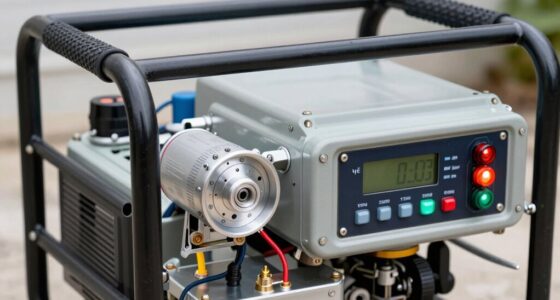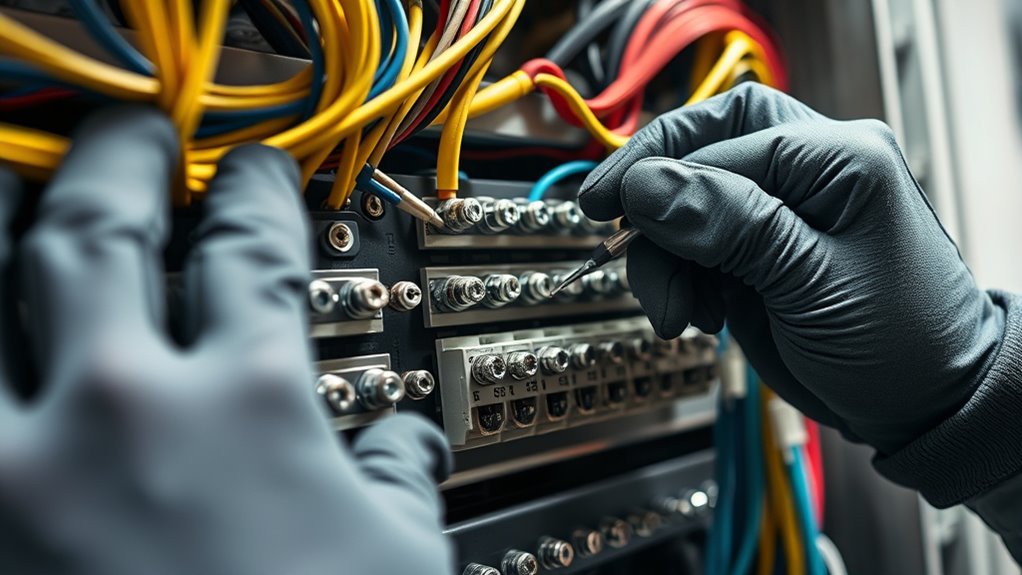

When inspecting electrical connections and wiring, you should check for corrosion, loose connections, and signs of wear or damage. Make certain grounding wires are secure and free of corrosion, and look for signs of overheating like burn marks or discoloration. Inspect insulation for cracks or cuts and replace any damaged wiring promptly. Using proper tools and techniques helps protect your system’s safety and reliability. Keep exploring to learn expert tips on maintaining your electrical system effectively.
Play games included with Prime
Start a Prime free trial and play with Amazon Luna on your devices.
As an affiliate, we earn on qualifying purchases.
Key Takeaways
- Check all connections for tightness using insulated tools to prevent loose contacts and sparks.
- Inspect wiring insulation for cracks, cuts, or damage to avoid shorts and electrical shocks.
- Verify grounding connections are secure, corrosion-free, and properly attached for safety.
- Look for signs of corrosion or discoloration on metal parts and clean or replace affected components.
- Regularly test for proper connection integrity and address any signs of overheating or wear promptly.
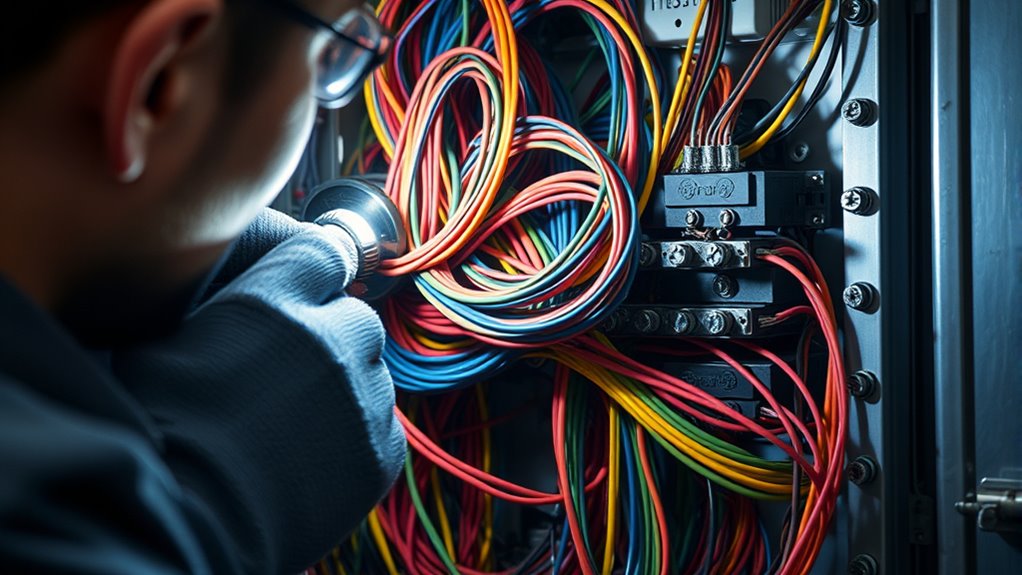
Regularly inspecting electrical connections and wiring is vital for maintaining safety and preventing potential hazards. Over time, connections can loosen, wires can fray, or corrosion can develop, all of which increase the risk of electrical failures or fires. By staying vigilant, you can catch problems early and make certain your electrical system remains safe and reliable.
Regular inspections prevent hazards by catching wiring issues early and ensuring electrical safety.
One common issue to watch for is grounding problems. Proper grounding provides a safe pathway for excess electricity, preventing shocks and equipment damage. During inspections, check that grounding wires are securely attached and free of damage. If you notice loose connections or corrosion around grounding points, address them promptly. Faulty grounding can lead to dangerous voltage fluctuations, so making certain it’s intact is an essential step in your maintenance routine.
Corrosion detection is another vital aspect of inspection. Corrosion often appears as a white, green, or blueish substance on metal parts, especially around connections and terminals. It can develop due to moisture exposure, humidity, or chemical reactions, and it greatly impairs electrical conductivity. When you spot corrosion, you need to clean the affected areas carefully—using appropriate tools and protective gear—and replace any severely corroded components. Regularly inspecting for cybersecurity vulnerabilities helps prevent increased resistance, overheating, and potential electrical failures.
While examining connections, pay close attention to tightness and condition. Loose wires or connections can cause intermittent power issues or sparks. Use an insulated screwdriver or appropriate tools to tighten any loose terminals, ensuring they’re snug but not over-tightened, which could damage the wire or connection. Also, look for signs of wear, such as frayed insulation, burn marks, or discoloration. These signs indicate overheating or electrical stress, which require immediate attention.
Don’t forget to check for signs of physical damage, such as cracks or cuts in wiring insulation. Damaged insulation exposes conductors, increasing the risk of shorts and electric shocks. If you find compromised wiring, replace it immediately or repair the damaged section using approved connectors and techniques. Maintaining good insulation integrity not only guarantees safety but also prolongs the lifespan of your wiring.
Incorporate routine inspections into your maintenance plan, especially in areas prone to moisture or physical wear. Regularly inspecting electrical connections and wiring allows you to detect grounding issues, corrosion, and other potential hazards before they escalate. Taking these proactive steps minimizes risks and keeps your electrical system functioning smoothly and safely. Remember, a little prevention now can save you substantial trouble—and potential danger—later on.
Frequently Asked Questions
How Often Should Electrical Connections Be Inspected?
You should inspect electrical connections at least once a year to catch issues like connection corrosion early. Regular inspection helps identify loose or corroded connections that could cause electrical failures or fire hazards. If your environment is humid or dusty, increase the inspection frequency to every six months. Staying proactive guarantees your electrical system remains safe and reliable, preventing costly repairs and potential hazards down the line.
What Tools Are Best for Inspecting Wiring?
Think of wire inspection as a detective’s toolkit. You’ll want a multimeter for electrical testing, which acts like a lie detector for current flow, and a wire brush or flashlight to reveal hidden issues. A non-contact voltage tester is great for quick checks, while a visual inspection with a magnifying glass helps spot corrosion or damage. Using these tools guarantees your wiring stays safe and reliable, catching problems before they escalate.
How Can I Identify Faulty Electrical Connections?
You can identify faulty electrical connections by looking for signs like corrosion detection around terminals and connectors. Check for loose connectors that may cause arcing or intermittent power. Use a multimeter to test continuity and voltage at connections—if readings are inconsistent, it indicates a problem. Regular inspection for corrosion, tightness, and proper contact helps prevent electrical issues and guarantees safe, reliable operation.
Are There Safety Precautions for Inspecting Wiring?
Yes, you should always wear insulated gloves and turn off power before inspecting wiring. Check for grounding issues first, confirming all connections are secure and properly grounded. Use insulation testing tools to verify the integrity of the wire insulation, looking for cracks or damage. Avoid working alone, and if you’re unsure, consult a licensed electrician. These precautions help prevent shocks and ensure safe, effective inspection.
When Should I Call a Professional Electrician?
You should call a professional electrician whenever DIY safety measures seem insufficient or if you’re unsure about following the electrical code. If you notice flickering lights, burning smells, or exposed wires, don’t risk it—get expert help. Professionals have the right tools and knowledge to handle complex wiring safely. Remember, electrical work is hazardous, so trusting an electrician guarantees safety and code compliance, preventing future problems.
Conclusion
By regularly inspecting your electrical connections and wiring, you keep your home safe and prevent potential hazards. Remember, small issues can quickly turn into big problems if overlooked. Don’t wait until something goes wrong—stay vigilant and proactive. Isn’t it worth the peace of mind knowing your electrical system is in top shape? Take the time now; your safety and your home depend on it.
Fall Picks
fall essentials
As an affiliate, we earn on qualifying purchases.