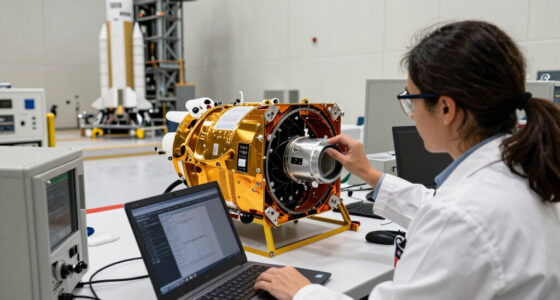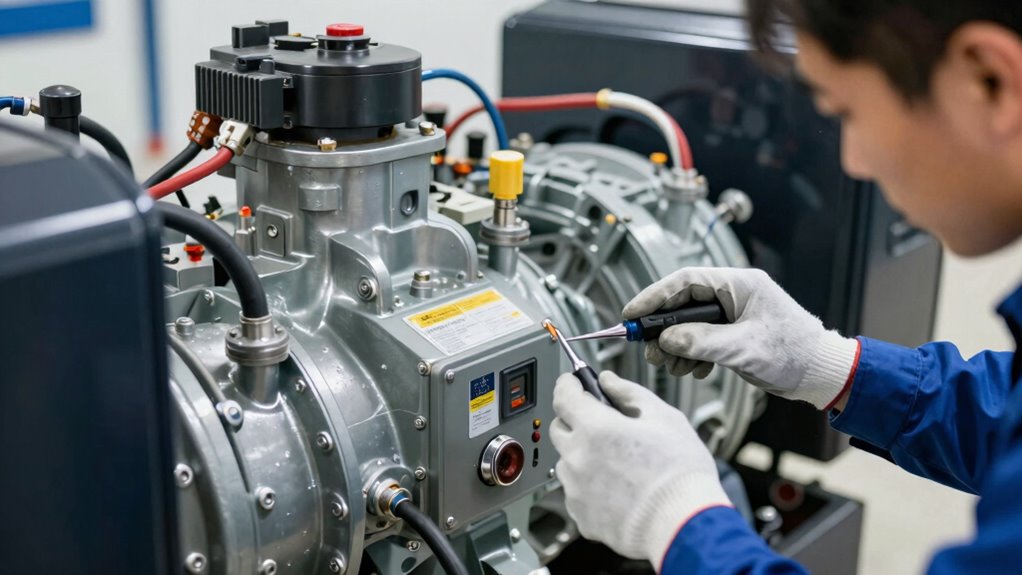
When AHJs inspect generators, they check for proper operation, safety features, and compliance with codes. They focus on control systems, battery condition, fuel supply, and signs of corrosion or wear. They also verify emergency shutdowns, alarms, ventilation, and exhaust systems. Ensuring the generator starts, runs, and shuts down reliably is key. If you want to understand what else AHJs assess during inspections, keep exploring the details below.

Get backup power and energy gear delivered free with Prime
- Fast, free delivery on millions of items
- Prime Video, Amazon Music and more included
- Member-only deals all year
Key Takeaways
- Proper documentation of inspection and maintenance records demonstrating compliance and readiness.
- Verification of control systems, alarms, and emergency shutdown functions for operational safety.
- Inspection of battery condition, fuel supply, ventilation, and exhaust systems for potential hazards.
- Assessment of signs of corrosion, damage, wear, or deterioration affecting generator performance.
- Confirmation that the generator can start, run, and shut down safely during operational testing.
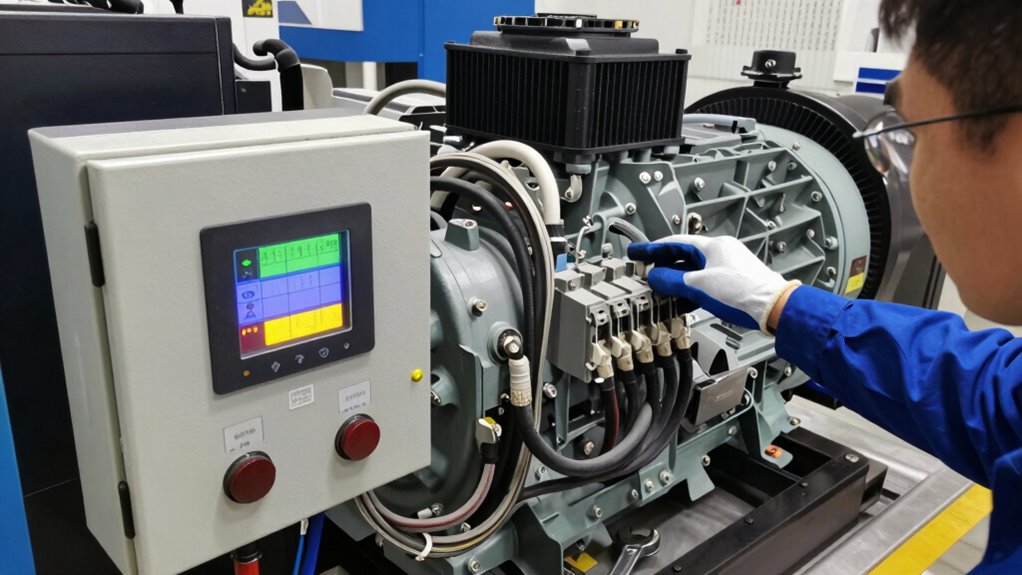
Have you ever wondered why regular generator inspections are essential for guaranteeing reliable power? It’s because these inspections help identify issues before they turn into costly failures, keeping your backup power system ready when you need it most. During an inspection, authorities having jurisdiction (AHJs) scrutinize your generator’s condition to make sure it complies with safety and operational standards. One of the key aspects they focus on is adherence to proper maintenance procedures, which guarantees the generator functions correctly and safely. Regular maintenance, performed according to manufacturer guidelines and industry standards, is critical for preventing unexpected breakdowns. AHJs look for evidence that maintenance routines are being followed consistently, including oil changes, coolant checks, and filter replacements. They also check for signs of corrosion, wear, or damage that could compromise the generator’s performance.
Inspection frequency is another essential factor in these evaluations. AHJs expect inspections to be conducted at intervals specified by the manufacturer or local regulations. Typically, this means monthly visual checks and more detailed annual inspections. These regular assessments confirm that the generator is in good working order and can operate effectively during an outage. If inspections are overdue or incomplete, it raises red flags about your commitment to safety and reliability. During the inspection, AHJs will verify that all scheduled maintenance tasks have been completed and documented properly. They also examine the generator’s control systems, battery condition, and fuel supply to ensure everything is functioning as intended. Proper documentation and recordkeeping are vital for demonstrating compliance and inspection readiness.
Beyond routine checks, AHJs look for signs of recent testing or operational exercises that demonstrate the generator’s readiness. They review maintenance logs, calibration records, and test reports to verify compliance. One critical element is the condition of the emergency shutdown systems and alarms—these must be fully operational to protect personnel and equipment. Additionally, they assess ventilation and exhaust systems to prevent hazardous conditions. The overall goal is to confirm that the generator can start reliably, run smoothly, and shut down safely when needed. By focusing on proper maintenance procedures and inspection frequency, AHJs help guarantee that your backup power system remains dependable, protecting lives and property during power outages. Staying proactive with scheduled inspections and diligent maintenance not only satisfies regulatory requirements but also ensures your system’s longevity and performance. Regular inspections also help maintain the generator’s compliance with safety standards and industry best practices. Implementing a comprehensive maintenance plan that aligns with industry standards further enhances the reliability and safety of your generator system. Additionally, understanding the testing and calibration processes involved can further improve system dependability and compliance.
Frequently Asked Questions
How Often Should Generator Inspections Be Scheduled?
You should schedule generator inspections according to your maintenance schedules, typically every three to six months. Regular inspections help guarantee your generator’s reliability and compliance with regulations. Use detailed inspection checklists to cover all essential components, from batteries to fuel systems. Consistent inspections help catch issues early, prevent failures, and maintain peak performance, making it easier to meet AHJ requirements and keep your backup power system ready when needed.
What Are Common Signs of Generator Failure?
You should watch for generator warning signs like unusual noises, difficulty starting, or a drop in power output. Regularly reviewing your maintenance checklist helps catch issues early, such as leaks, corrosion, or worn belts. If you notice these signs, schedule maintenance promptly. Addressing warning signs quickly guarantees your generator remains reliable during power outages and helps you avoid costly repairs or failures during critical times.
Are Environmental Conditions Considered During Inspections?
Yes, environmental conditions are considered during inspections. You should pay attention to environmental factors like humidity, temperature, and exposure to dust or corrosive elements, as these can impact the generator’s performance and longevity. Inspection considerations include checking for signs of wear caused by environmental stressors, ensuring adequate ventilation, and verifying proper placement away from harmful environmental influences. Addressing these factors helps guarantee your generator operates reliably under various environmental conditions.
What Documentation Is Required for Compliance?
Did you know that 85% of generator failures are linked to inadequate documentation? During inspections, you must show thorough maintenance records and proof of certification requirements. These documents demonstrate your adherence to safety standards, ensuring compliance. Always keep maintenance logs up-to-date and readily accessible. Meeting certification requirements confirms your generator’s reliability and safety, helping you pass inspections smoothly and avoid costly penalties or downtime.
How Can I Prepare My Generator for Inspection?
To prepare your generator for inspection, start with a thorough maintenance checklist, guaranteeing all components are serviced and functioning properly. Verify that safety protocols are in place, like proper grounding and emergency shutoff mechanisms. Clean the unit, check fuel and oil levels, and inspect for leaks or corrosion. Test run the generator to confirm operational readiness, and gather all relevant documentation to demonstrate compliance. This proactive approach shows you’re prepared and ensures a smooth inspection process.
Conclusion
During generator inspections, you focus on key components like fuel systems, batteries, and electrical connections to guarantee everything runs smoothly. By paying close attention, you prevent unexpected failures and extend your generator’s lifespan. Are you regularly checking these critical parts to keep your operations running seamlessly? Remember, a quick inspection now can save you from costly repairs later. Stay vigilant, and your generator will serve you reliably when you need it most.
Columbus Day / Indigenous Peoples' Day Picks
long weekend sales
As an affiliate, we earn on qualifying purchases.