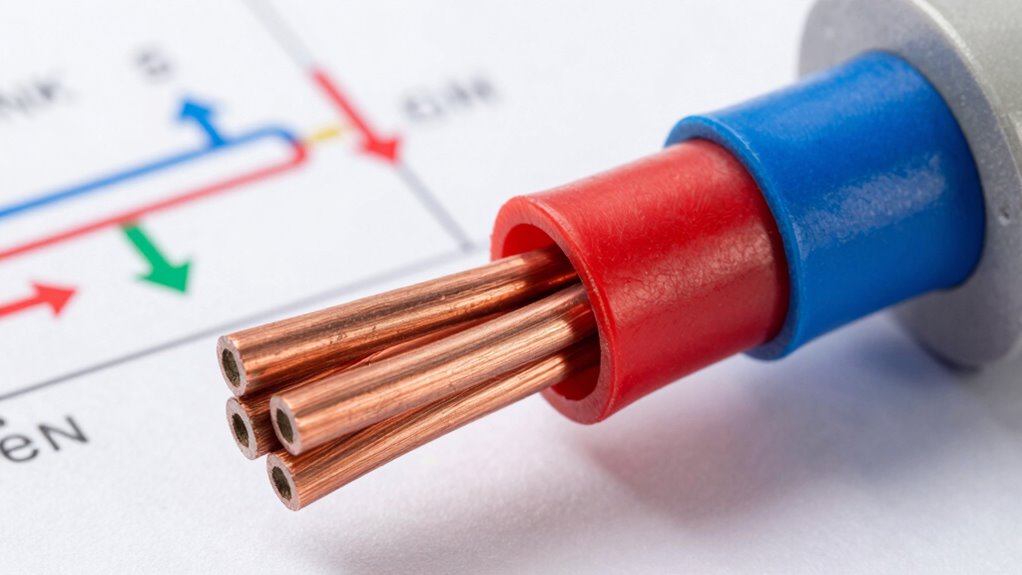

Generator conductor sizing is about choosing the right wire size to carry the electrical current safely and efficiently. If the conductor is too small, it can overheat, cause voltage drops, or damage equipment. Too large, and it can be unnecessary and costly. The size depends on factors like battery capacity, load demands, and environmental conditions. Getting this right helps your system run smoothly and safely. Keep exploring for a clearer picture of how it all fits together.

Get backup power and energy gear delivered free — and shop member deals
- Fast, free delivery on millions of items
- Access to Prime Big Deal Days deals on October 6–7
- Prime Video, Amazon Music and more included
Key Takeaways
- Conductor sizing depends on the maximum current the generator needs to supply safely.
- Larger batteries and higher loads require thicker, more capable wires to prevent overheating.
- Environmental factors like temperature and altitude affect the conductor’s capacity and must be considered.
- Proper sizing keeps voltage stable during high demand, ensuring appliances work correctly.
- Using the right conductor size prevents damage, safety hazards, and ensures long-term system reliability.
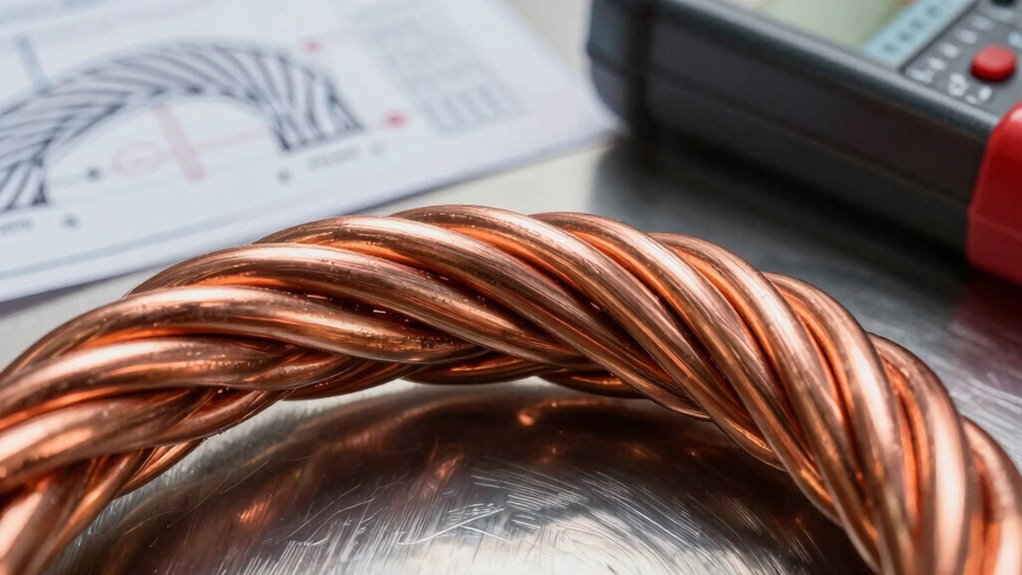
Choosing the right conductor size for your generator is vital to guarantee safe, efficient, and reliable operation. When selecting the proper gauge, you’re making certain that the electrical current flows smoothly from the generator to your appliances without overheating or risking damage. One key factor to contemplate is the battery capacity, especially if your generator relies on batteries for starting or backup power. A larger battery capacity can store more energy, which means your generator might draw more current during startup or high-demand situations. If you don’t size your conductors correctly for this increased load, you could experience voltage drops or overheating, leading to equipment failure or safety hazards. So, understanding your generator’s battery capacity helps you choose a conductor that can handle the maximum current your system might draw. Additionally, considering the current capacity of the conductors ensures that your system can safely handle peak loads without issues. Proper conductor sizing also takes into account the long-term durability of the wiring, ensuring it withstands environmental factors and usage over time. It’s also important to consider heat buildup in wiring, as excess heat can compromise insulation and safety. Properly rated conductors can help prevent conductor failure caused by excessive heat and wear. Furthermore, selecting conductors with appropriate derating factors accounts for environmental conditions such as altitude and temperature, which can impact conductor performance and safety. Voltage regulation is another vital aspect that influences how you size your generator conductors. Voltage regulation refers to how well your generator maintains a consistent voltage level under varying loads. When the load increases, without proper conductor sizing, voltage can drop, causing your appliances to malfunction or operate inefficiently. Conversely, if conductors are too thick, it may not necessarily harm your system but could lead to unnecessary costs. Proper sizing ensures voltage remains stable, providing smooth operation and protecting sensitive electronics. You need to match the conductor size to the expected load, considering both the maximum power your generator will supply and the voltage regulation requirements. This way, you’re preventing voltage fluctuations that could damage your equipment or reduce lifespan.
Frequently Asked Questions
How Does Ambient Temperature Affect Conductor Sizing?
Ambient temperature affects conductor sizing because higher temperatures reduce heat dissipation, causing the conductor to heat up more. When it’s hotter outside, you might need a thicker insulation or larger conductor size to prevent overheating. Conversely, cooler temperatures improve heat dissipation, allowing for smaller conductors. So, understanding ambient temperature helps you select the right conductor size and insulation thickness, ensuring safe and efficient generator operation.
What Safety Margins Are Considered in Conductor Sizing?
Think of conductor safety margins like a sturdy ship’s hull—built to withstand storms. You consider conductor insulation and grounding requirements to guarantee protection against faults and overheating. Engineers add safety margins to account for temperature fluctuations, potential surges, and future load increases. This approach prevents accidents, assuring your generator operates safely and reliably, even in unexpected conditions, much like a well-built ship sailing smoothly through turbulent waters.
Can Conductor Size Be Adjusted After Installation?
Yes, you can adjust conductor size after installation, but it’s not simple. If your generator’s efficiency drops or if conductor insulation shows signs of damage, upgrading might be necessary. Larger conductors reduce resistance and improve efficiency, while better insulation enhances safety. Always consult a professional to evaluate the current setup, as improper adjustments can cause safety hazards or reduce generator performance. Proper sizing ensures maximum efficiency and safety over time.
How Does Conductor Length Impact Its Size Requirements?
You should consider conductor length because longer runs can increase resistance, which may require a larger size for better conductor flexibility and to prevent voltage drops. Using insulation material that withstands heat and environmental factors helps maintain safety and performance over the length of the conductor. When selecting size, account for these factors, ensuring the conductor remains flexible enough for installation and operation, without overheating or losing efficiency over extended distances.
Are There Industry Standards for Generator Conductor Sizing?
Yes, there are industry standards for generator conductor sizing. These standards help you guarantee safety, efficiency, and cost-effectiveness by guiding material selection and conductor dimensions. Following these guidelines minimizes risks and optimizes performance, allowing you to choose the right conductor size based on current load, distance, and material properties. Adhering to standards ultimately enhances your system’s reliability while controlling costs and improving overall efficiency.
Conclusion
Now that you understand how to size your generator conductor properly, you’re almost ready to tackle the next step. But remember, a small mistake could lead to serious issues down the line. Are you prepared to guarantee your system’s safety and efficiency? Keep your focus sharp—there’s more to learn that could make all the difference. Stay tuned, because the final piece of the puzzle might just surprise you. Don’t miss what comes next!
Fall Picks
fall essentials
As an affiliate, we earn on qualifying purchases.