
To reduce false generator alarms, keep your sensors clean by scheduling regular maintenance checks. Calibrate sensors properly to guarantee they interpret conditions correctly, avoiding misreadings. Protect sensors from environmental interference by installing covers or filters and ensuring proper ventilation around your generator. Maintaining detailed records can help identify patterns and determine if sensors need replacing or upgrading. Following these steps will help improve accuracy and reliability; there’s more you can do to optimize your system further.

Get backup power and energy gear delivered free with Prime
- Fast, free delivery on millions of items
- Prime Video, Amazon Music and more included
- Member-only deals all year
Key Takeaways
- Conduct regular maintenance and cleaning of sensors to prevent dust and debris buildup.
- Calibrate sensors frequently to ensure accurate detection of parameters.
- Install protective covers or filters to shield sensors from environmental interference.
- Ensure proper ventilation around the generator to avoid sensor stress and overheating.
- Keep detailed records of alarms and maintenance to identify patterns and plan system upgrades.
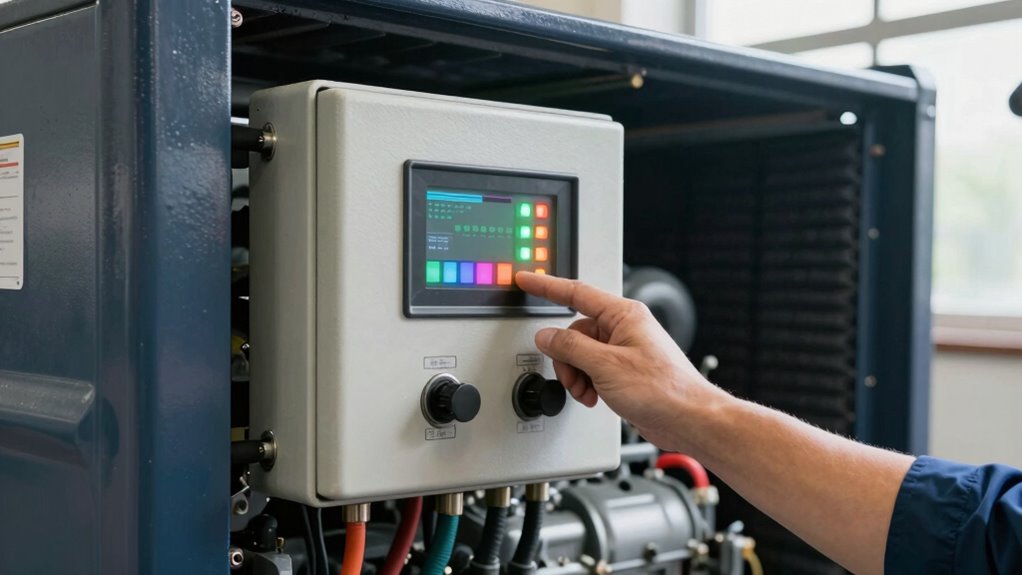
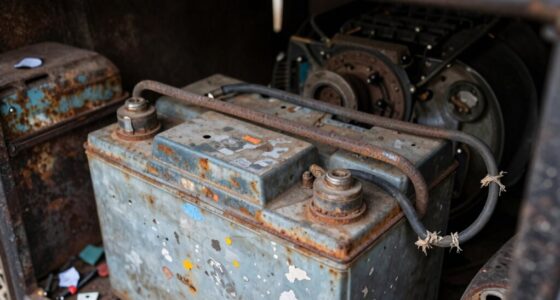
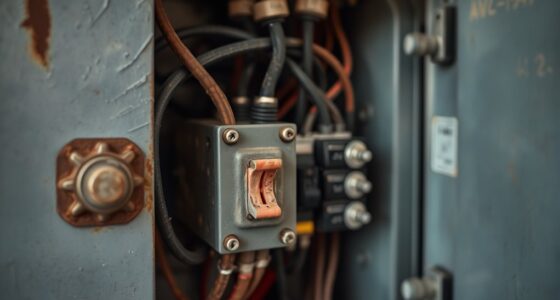
False generator alarms can be frustrating and disruptive, but they’re often caused by simple issues that you can fix. One of the most common reasons for false alarms is a lack of regular maintenance checks. Over time, dust, dirt, and debris can accumulate on sensor components, causing them to misread conditions and trigger unnecessary alarms. By establishing a routine schedule for maintenance checks, you can identify and address potential issues before they escalate. During these checks, inspect all sensors carefully, ensuring they are clean and free of obstructions. Keeping sensors clean helps maintain their accuracy and prevents false triggers that can interrupt your generator’s operation.
Regular maintenance and cleaning of sensors prevent false alarms and keep your generator running smoothly.
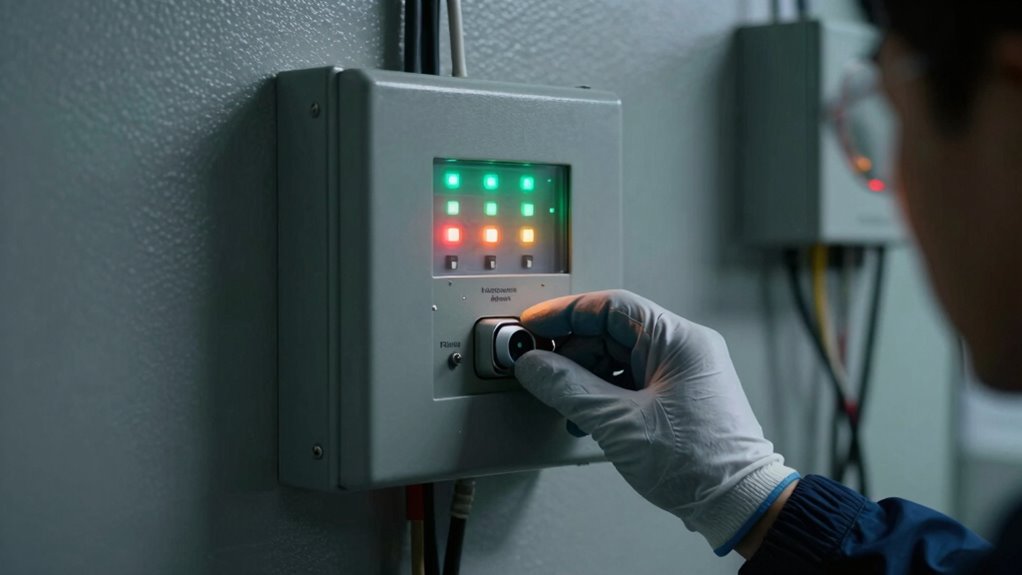
Another key factor is sensor calibration. Sensors are designed to detect specific parameters, such as temperature, pressure, or smoke, and they need to be calibrated correctly to function properly. If sensors are miscalibrated, they might interpret normal conditions as faults, leading to false alarms. Regular sensor calibration ensures that your generator’s alarm system remains precise and reliable. Many manufacturers provide calibration procedures in their manuals, or you can have a trained technician perform this task. Proper calibration not only reduces false alarms but also improves the overall safety and efficiency of your generator system.
It’s also essential to pay attention to environmental factors. High humidity, extreme temperatures, or airborne particles can interfere with sensor readings. If your generator is located in a dusty or humid environment, consider installing protective covers or filters over sensors to shield them from external influences. This simple step can considerably reduce false alarms caused by environmental conditions. Additionally, ensure that ventilation is adequate around the generator to prevent overheating and reduce stress on sensors. Understanding sensor sensitivity and how external factors influence it can help you better protect your system from false alarms. Being aware of environmental interference is crucial for maintaining sensor accuracy and preventing unnecessary alarms. Regularly reviewing sensor performance can also help you catch issues before they cause false triggers.
Lastly, keep detailed records of any alarms and maintenance activities. Tracking these patterns helps you identify recurring issues and determine whether certain conditions consistently lead to false alarms. If you notice persistent problems, it might be time to replace outdated sensors or upgrade your alarm system. Staying proactive in your maintenance approach and regularly calibrating sensors are key to minimizing false alarms and ensuring your generator operates smoothly. Properly maintaining sensor components and paying attention to environmental conditions can significantly extend the lifespan of your equipment. By paying attention to these details, you’ll minimize disruptions, extend your equipment’s lifespan, and maintain a reliable power supply.
Frequently Asked Questions
What Are Common Causes of False Generator Alarms?
False generator alarms often happen because of issues like overly sensitive sensors or improper alarm calibration. You might find that high sensor sensitivity picks up minor fluctuations, triggering false alarms. Additionally, if the alarm isn’t properly calibrated, it may misinterpret normal generator activity as a fault. To prevent this, regularly check and adjust sensor sensitivity and calibration settings, ensuring the alarm system accurately detects genuine issues without false triggers.
How Often Should Generator Maintenance Be Performed?
You should perform generator maintenance regularly, ideally every 3 to 6 months, to guarantee peak performance and extend its lifespan. Consistent maintenance scheduling helps identify issues early, preventing false alarms and costly repairs. By following a set routine, you keep your generator in top condition, reducing false alarms and ensuring reliable operation when you need it most. Regular upkeep is key to maximizing your generator’s lifespan and efficiency.
Can Environmental Factors Trigger False Alarms?
A stitch in time saves nine. Yes, environmental interference can trigger false alarms, especially if your sensor sensitivity is too high. Factors like dust, moisture, or vibrations from weather can interfere with sensor readings. You can reduce false alarms by adjusting sensor sensitivity and shielding sensors from environmental elements. Regular maintenance and inspections help verify your generator’s alarm system remains accurate, preventing unnecessary shutdowns while safeguarding your equipment.
Are There Specific Settings to Minimize False Alarms?
Yes, you can minimize false alarms by adjusting alarm calibration and sensor sensitivity settings. Start by calibrating your alarm system regularly to guarantee accurate detection. Then, fine-tune the sensor sensitivity—lowering it reduces false triggers caused by environmental factors. Make these adjustments carefully, testing the system afterward to find the right balance between sensitivity and reliability, which helps prevent unnecessary alarms while maintaining safety.
How Do I Troubleshoot a False Generator Alarm?
Did you know that nearly 60% of false generator alarms are caused by sensor misreadings? To troubleshoot, start by inspecting your generator sensor for dirt or damage, then verify it’s properly calibrated. Check for any obstructions or electrical issues that might trigger false alarms. Recalibrate the alarm system if necessary, and test the setup to confirm accurate readings. Regular maintenance helps prevent these false triggers altogether.
Conclusion
By tuning into your generator’s heartbeat and regularly maintaining its essential signs, you can turn down the volume on false alarms. Think of your generator as a vigilant guardian—when it’s well cared for, it remains alert without shouting false warnings. With a little attention and proactive checks, you’ll keep your system steady as a lighthouse in a storm, guiding you safely through the night. Don’t let false alarms cloud your peace of mind—trust in your maintenance routine to keep them at bay.
Halloween Picks
halloween
As an affiliate, we earn on qualifying purchases.