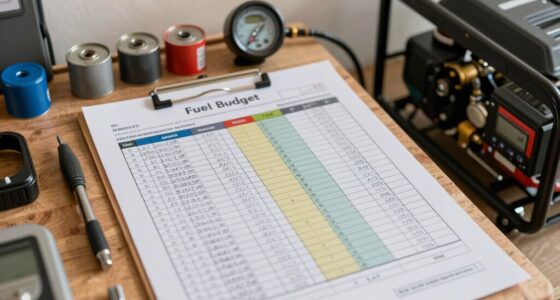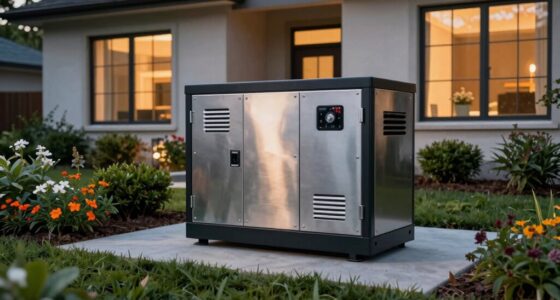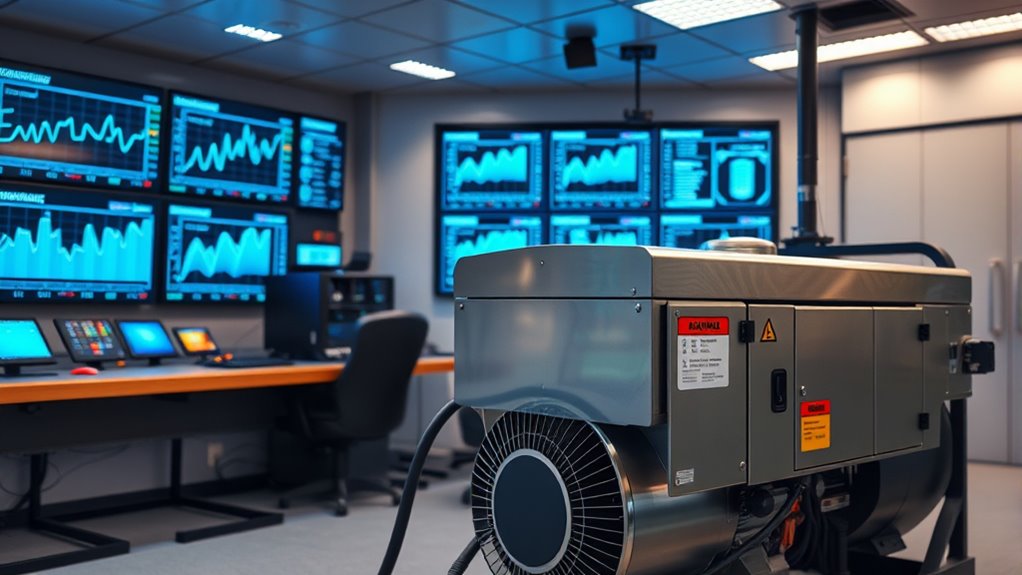

Demand response and standby generators are essential tools to keep your power grid stable during peak demand or outages. Demand response encourages your system to reduce or shift electricity use, easing stress on infrastructure. Standby generators kick in instantly during outages, providing backup power to critical facilities. Combining these strategies guarantees continuous operation and protects equipment during severe events. To understand how these systems work together to keep the lights on, keep exploring the details.

Get backup power and energy gear delivered free with Prime
- Fast, free delivery on millions of items
- Prime Video, Amazon Music and more included
- Member-only deals all year
Key Takeaways
- Demand response reduces grid load during peak times, preventing overloads and blackouts.
- Standby generators provide instant backup power during outages, ensuring critical operations continue.
- Combining demand response with standby generators enhances overall grid stability and reliability.
- These strategies protect infrastructure and equipment during severe weather or energy disruptions.
- Integrated demand management and backup power support resilient, continuous energy supply during emergencies.
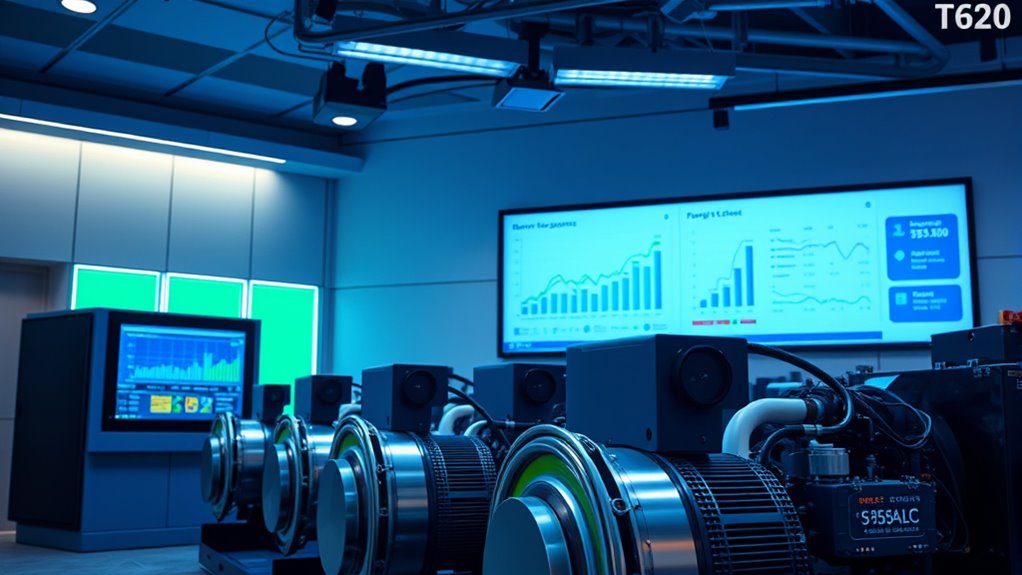
Have you ever wondered how power grids manage sudden spikes in demand or unexpected outages? It’s a complex process that relies heavily on strategies like demand response and standby generators to keep the lights on and maintain grid stability. When energy demand surges unexpectedly, the grid can become strained, risking outages or damage to infrastructure. That’s where demand response comes into play, encouraging consumers to reduce or shift their electricity use during peak times. By doing so, it alleviates the burden on the grid, preventing overloads and helping to maintain a reliable power supply. But sometimes, demand response alone isn’t enough, especially during emergencies or severe disruptions. That’s when standby generators become critical, providing emergency power that kicks in instantly when the main grid fails or becomes unstable. These generators serve as an essential backup, ensuring critical facilities like hospitals, data centers, and emergency services remain operational during outages.
Understanding how these systems work together helps you appreciate the importance of grid stability. When demand response reduces load during high-demand periods, the grid remains balanced, preventing blackouts and protecting infrastructure from stress. Meanwhile, standby generators act as a safety net, ready to supply power at a moment’s notice, ensuring continuous operation of essential services. This combination of demand management and backup power sources creates a resilient energy system capable of handling unpredictable conditions. During a heatwave or cold snap, for example, demand response programs can quickly decrease electricity use in residential or commercial sectors, alleviating pressure on the grid. If a transformer blows or a storm hits, standby generators can immediately supply power to critical areas, avoiding dangerous outages. This dual approach not only enhances grid stability but also ensures that emergency power is available when needed most. Additionally, reliable backup power can help prevent damage to electrical equipment and infrastructure during severe events.
Frequently Asked Questions
How Do Standby Generators Impact Overall Grid Stability?
Standby generators boost overall grid stability by providing emergency power during outages, ensuring consistent electricity supply. When you have a standby generator, you help maintain grid reliability, especially during peak demand or unexpected disruptions. By quickly switching on during power failures, you reduce stress on the grid and prevent widespread outages. This not only supports your needs but also strengthens the system’s resilience, keeping the entire grid more stable and dependable.
What Are the Environmental Considerations of Demand Response Programs?
Imagine switching off your lights during peak hours—demand response programs help reduce environmental impact. You lower your carbon footprint and support renewable integration by easing pressure on fossil fuel plants. These programs encourage smarter energy use, decreasing emissions and promoting cleaner power sources. By participating, you actively contribute to a more sustainable grid and help combat climate change, making your daily choices part of a larger environmental solution.
Can Small Businesses Participate in Demand Response Initiatives?
Yes, small businesses can participate in demand response initiatives. By engaging in retail energy programs, you can help reduce peak shaving costs and support grid stability. You might be asked to temporarily lower your energy use during peak periods, which benefits both your business and the environment. Participating is often straightforward and can even lead to cost savings, making it a smart choice for small business owners looking to be more sustainable.
How Are Standby Generators Integrated With Renewable Energy Sources?
Standby generators seamlessly synchronize with renewable integration, supplying solid backup power when solar or wind sources falter. You’ll find that coupling renewable energy systems with generators provides dependable, diversified power—boosting resilience and reducing reliance on fossil fuels. This integration guarantees that your energy remains steady and sustainable, especially during grid interruptions. By bridging renewable sources with standby generators, you create a reliable, renewable-ready power solution that keeps your operations ongoing.
What Are the Long-Term Cost Savings of Demand Response Strategies?
You can achieve significant long-term cost savings with demand response strategies by reducing your energy bills through better energy efficiency. As you participate in demand response, you lower peak demand and avoid costly electricity rates, leading to consistent cost reduction. Over time, these strategies help you optimize energy use, decrease reliance on backup generators, and enhance overall savings, making your energy management more economical and sustainable.
Conclusion
By combining demand response strategies with standby generators, you can guarantee reliable power during peak times and outages. Isn’t it worth taking control of your energy use to save money and stay connected? Embracing these solutions not only boosts your energy resilience but also helps reduce stress on the grid. So, why wait for an outage to realize the benefits? Take charge today and make your power supply more dependable and efficient.
Halloween Picks
halloween
As an affiliate, we earn on qualifying purchases.