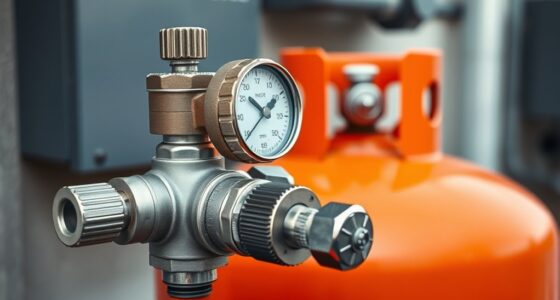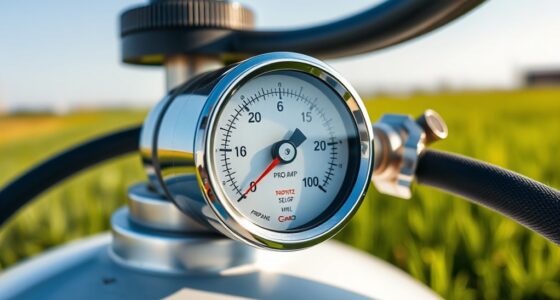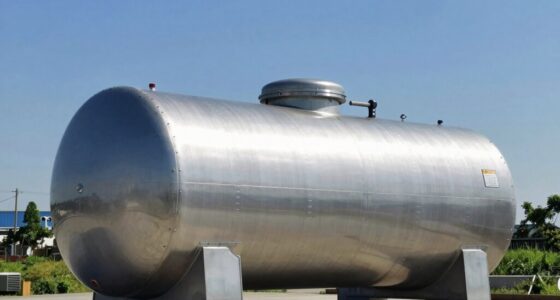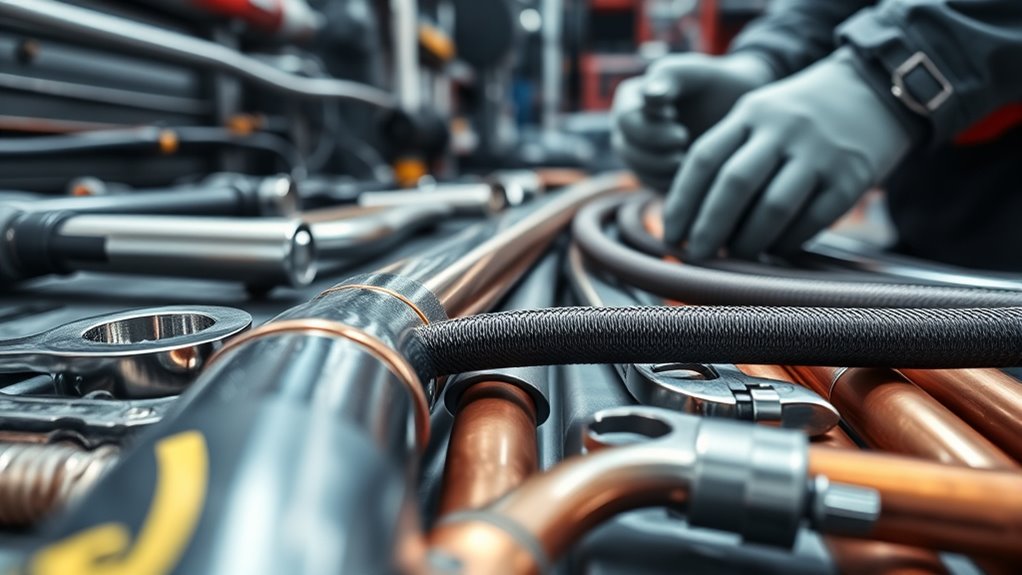

When selecting fuel piping materials and components, prioritize corrosion resistance and compatibility with your fuel type to guarantee safety and longevity. Opt for materials like plastics or aluminum for easier installation and inherent resistance, or use coated steel if strength is essential. Make sure fittings, connectors, and valves match the pipe material to prevent leaks or failures. Considering environmental factors and future maintenance needs helps you choose durable options. Keep exploring to learn more about making the best choices for your system.
Key Takeaways
- Choose corrosion-resistant materials like plastics or coated metals to ensure long-term fuel pipe durability.
- Verify compatibility of fittings, valves, and connectors with the pipe material and fuel type.
- Consider environmental factors such as temperature, vibration, and chemicals influencing material choice.
- Opt for flexible plastics for easier installation and fewer fittings, reducing leak points.
- Prioritize materials that facilitate maintenance, inspection, and future system upgrades for system longevity.
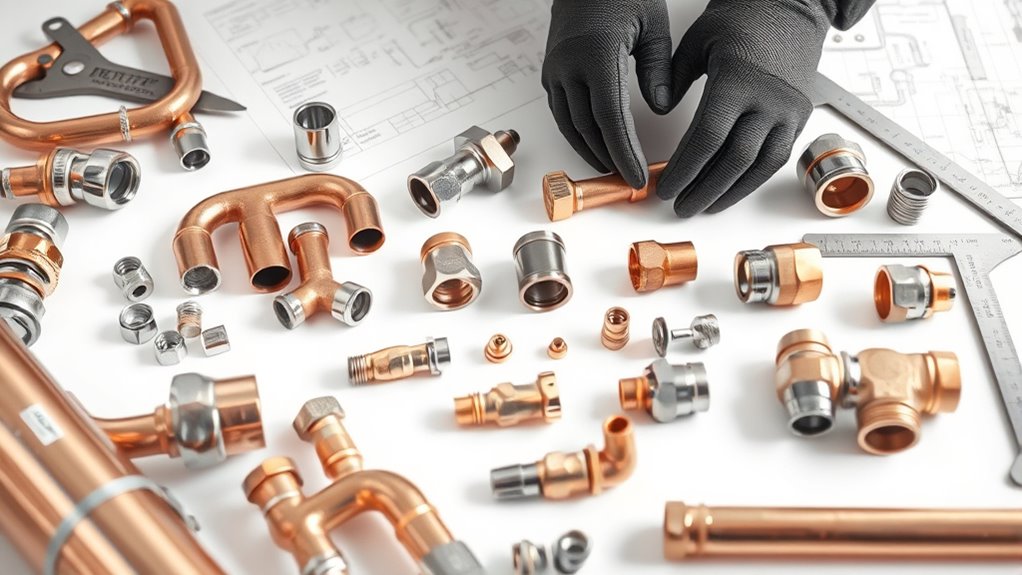
Choosing the right fuel piping materials and components is essential for ensuring safety, durability, and efficiency in your fuel system. When selecting materials, corrosion resistance should be at the forefront of your decision-making process. Fuel systems are exposed to various elements that can cause deterioration over time, especially if the materials aren’t resistant to corrosion. For instance, steel pipes are strong and durable but may require protective coatings or galvanization to prevent rusting, especially in environments with high moisture or exposure to salt. Aluminum and certain plastics, like cross-linked polyethylene (PEX) or high-density polyethylene (HDPE), naturally resist corrosion, making them ideal choices for many applications. These materials extend the lifespan of your system and reduce maintenance needs, ultimately saving you money and avoiding potential safety hazards caused by compromised piping.
Installation considerations play a crucial role in ensuring your fuel piping system performs at its best. You need to evaluate how each material handles the physical demands of installation, such as bending, joining, and securing pipes. For example, flexible plastics are easier to install in tight spaces and require fewer fittings, reducing potential leak points. Conversely, rigid metal pipes may need specialized tools and skills for proper bending and joining, like welding or threading, which can increase installation complexity. Proper support and secure mounting are vital to prevent movement or damage during operation, especially for heavier metal pipes. When installing, consider environmental factors—such as temperature fluctuations, vibration, and exposure to chemicals—that may affect material choice and installation techniques. Properly choosing and installing piping not only guarantees safety but also enhances system longevity and reliability. Additionally, understanding practical support options can help troubleshoot and maintain the system more effectively over time.
Furthermore, compatibility between components is critical. Always verify that fittings, connectors, and valves are suitable for the chosen piping material and fuel type. Using incompatible components can lead to leaks, failures, or safety hazards. For example, certain plastics may not withstand high temperatures or pressures, so selecting reinforced or specially rated plastics is necessary. Metal components must be compatible with the piping material to prevent galvanic corrosion, which can occur when dissimilar metals are joined without proper insulation or barriers. Additionally, consider ease of maintenance and future expansion. Materials that are easier to inspect and replace can simplify ongoing upkeep, and selecting modular components can facilitate system upgrades or repairs down the line.

Porch Shield Generator Cover for 5500-15000W, 38 x 28 x 30 inch, Black
- Compatible - More sizes for 5500w -15000w gas...
- Upgrade Material - Made of 600D polyester fabric...
- Tear Resistant & Waterproof - The high-level double...
As an affiliate, we earn on qualifying purchases.
Frequently Asked Questions
How Do I Determine the Most Cost-Effective Fuel Piping Material?
To determine the most cost-effective fuel piping material, you should perform a cost analysis that considers initial costs, installation, and maintenance. Evaluate each material’s durability to guarantee it withstands environmental conditions and fuel exposure over time. Balance upfront expenses with long-term reliability, choosing a material that offers the best combination of low maintenance costs and high durability, ultimately providing the greatest value for your project’s needs.
What Are the Environmental Impacts of Different Fuel Pipe Materials?
You’re making a difference with your choices. Different fuel pipe materials leave varying environmental footprints—some degrade easily, others persist in ecosystems. Consider recyclability considerations, as some materials can be repurposed, reducing waste. By choosing environmentally friendly options, you help minimize pollution and conserve resources, ensuring a healthier planet for future generations. Your decision impacts not just your project, but the world at large, making sustainability a crucial part of your selection process.
How Does Climate Affect the Choice of Fuel Piping Components?
Climate considerations directly influence your choice of fuel piping components because environmental impacts vary with temperature, humidity, and exposure to elements. For hot or humid climates, you opt for corrosion-resistant materials to prevent deterioration, reducing environmental impacts like leaks or spills. In cold regions, flexible or insulated piping minimizes freeze risks. You must balance durability and environmental safety, selecting components that withstand climate conditions while minimizing ecological harm.
Are There Specific Regulations for Underground Fuel Piping Systems?
Imagine a small gas station facing a leak; regulations for underground fuel piping systems are strict to prevent such disasters. You must adhere to local, state, and federal laws, ensuring regulatory compliance and safety standards. These often include standards from organizations like OSHA and the EPA, requiring proper materials, corrosion protection, and testing. Staying compliant not only protects your property but also safeguards lives and the environment.
How Often Should Fuel Piping Components Be Inspected or Replaced?
You should inspect your fuel piping components regularly, at least annually, to identify corrosion and wear early. Follow maintenance best practices like applying corrosion prevention treatments and checking for leaks or damage. Replace components promptly if you notice signs of deterioration or corrosion, ensuring the system remains safe and efficient. Consistent inspections and maintenance help prolong the lifespan of your fuel piping and prevent costly failures.
Porch Shield Generator Cover for 5000-10000W, 32 x 24 x 24 inch, Black
- Compatible - More sizes for 5000w -10000w gas...
- Upgrade Material - Made of 600D polyester fabric...
- Tear Resistant & Waterproof - The high-level double...
As an affiliate, we earn on qualifying purchases.
Conclusion
Choosing the right fuel piping materials is like planting a sturdy tree—your safety and system efficiency depend on its roots. By selecting durable, compatible components, you build a strong foundation that withstands the test of time and elements. Remember, your choices are the branches and leaves—each one essential to the health of your entire system. With careful selection, you guarantee your fuel system remains resilient, just like a well-nurtured tree standing tall through every season.

SOARAISE Solar Power Bank 48000mAh Wireless Portable Charger with 4 Cables
- Upgraded High-Efficiency 4 Solar Panels: Equipped with 4 premium solar...
- Massive 48000mAh Solar Power Bank: Featuring a high-capacity 48000mAh lithium-polymer...
- Built-in 4 Cable for Multi-Device Compatibility: Designed for multi-device charging, this...
As an affiliate, we earn on qualifying purchases.

Portable Solar Generator 300W Portable Power Station with 60W Solar Panel
- Portable Generator with 60W Solar Panel Included: with a big battery pack,...
- Multiple Charging outlets for camping gear with SOS Flashlight: with 2* 300W Max AC...
- Multiple Charging Optional, Solar Panel Charger 60W Included: ZeroKor portable power bank generator...
As an affiliate, we earn on qualifying purchases.