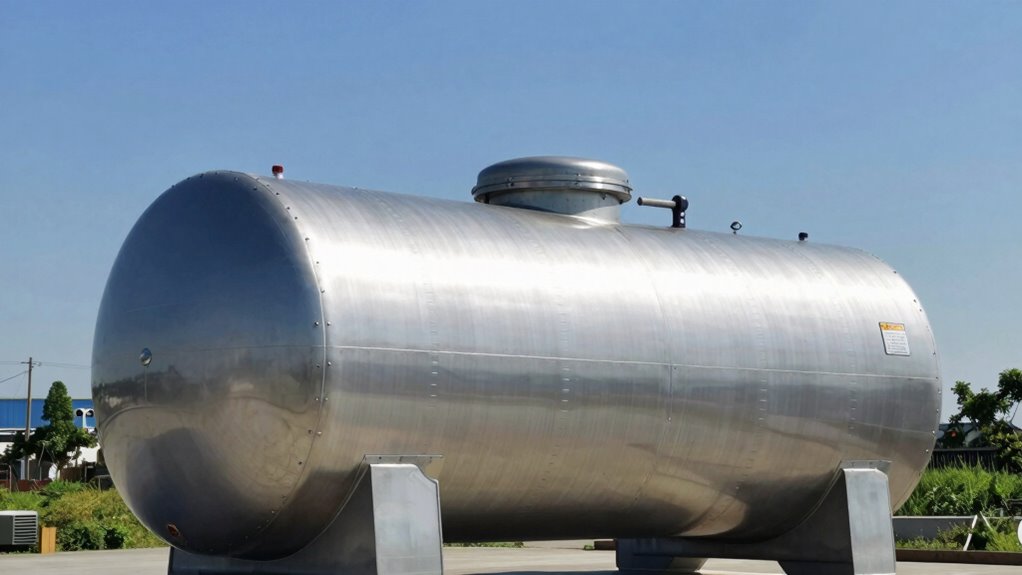

As a backup owner, you choose double-wall fuel tanks because they provide unmatched safety and environmental protection. These tanks feature built-in leak detection and secondary containment, reducing the risk of leaks reaching the ground. Proper installation and regular maintenance guarantee they stay reliable over time, helping you stay compliant with safety standards. If you want to understand how proper setup maximizes their benefits, keep exploring the key reasons behind their popularity.
Open a free Amazon Business account
Business pricing, bulk buying and tax-exempt orders.
As an affiliate, we earn on qualifying purchases.
Key Takeaways
- Double-wall tanks provide enhanced leak detection and secondary containment, ensuring environmental safety.
- They offer increased durability and reliability, reducing long-term maintenance costs.
- Built-in leak detection systems help prevent environmental contamination and improve safety.
- Proper installation ensures compliance with regulations, minimizing legal and safety risks.
- Their robust design makes them a preferred choice for backup fuel storage needs.
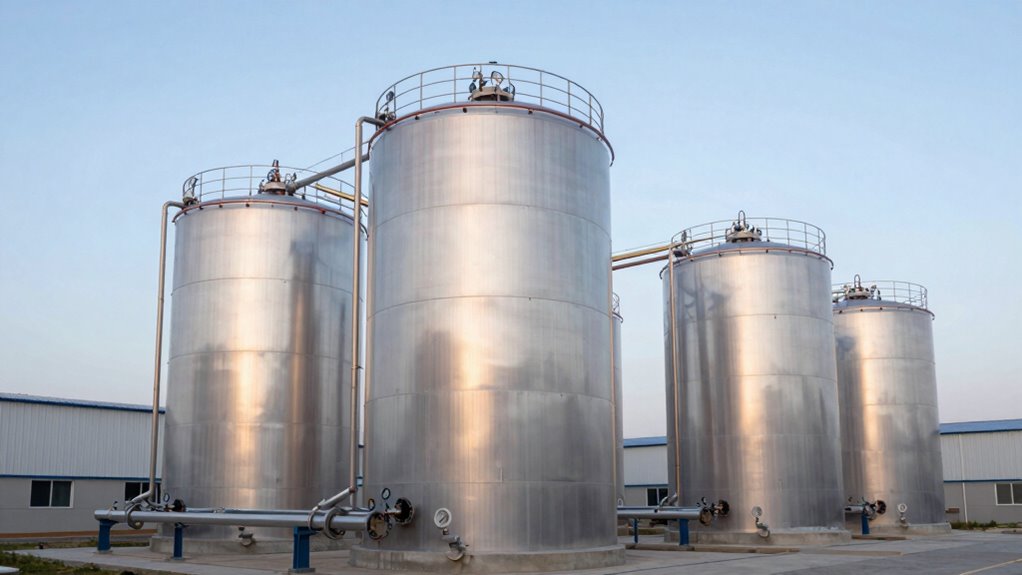
When it comes to installation procedures, these tanks are straightforward but demand attention to detail. Proper installation is essential to maximize safety and guarantee the tank functions correctly over its lifespan. Typically, installation begins with thorough site assessment—checking soil stability, drainage, and proximity to sensitive areas. You want to lay the foundation carefully, often requiring a concrete pad or a reinforced surface to support the tank’s weight and prevent shifting. Next, the tank is positioned with precision, ensuring all connections to fuel lines and vents are secure and comply with local codes. It’s important to follow manufacturer instructions closely, as improper installation can compromise the secondary barrier’s effectiveness.
During installation, you’ll also need to think about spill containment measures and secondary containment systems. These are key to environmental safety because they prevent any accidental leaks from reaching the ground. Many double-wall tanks come with built-in leak detection systems that alert you to potential issues early on. You should routinely inspect these systems and verify that all components are in proper working order, especially after installation. This proactive approach helps you catch minor issues before they escalate into serious safety or environmental problems. Additionally, understanding the installation process can help you ensure compliance with safety standards and prolong the life of your tank. Regular maintenance, including leak detection system checks, further enhances the safety and longevity of your fuel storage. Incorporating proper installation techniques from the beginning can significantly reduce the risk of future issues and improve overall safety. Having a clear understanding of installation procedures also helps ensure that your tank remains in compliance with evolving regulations and standards. Proper training on installation practices can further prevent common mistakes and ensure a secure setup.
Frequently Asked Questions
How Long Do Double-Wall Fuel Tanks Typically Last?
Double-wall fuel tanks typically last 20 to 30 years, depending on their material durability and maintenance. You can extend their lifespan by regularly inspecting for corrosion, leaks, or damage. High-quality materials like polyethylene or corrosion-resistant steel enhance material longevity, ensuring your tank remains reliable over time. Keeping up with routine maintenance and prompt repairs helps maximize the tank’s durability, giving you peace of mind for years to come.
Are Double-Wall Tanks More Environmentally Friendly?
Double-wall tanks definitely deliver environmental benefits. They reduce risks of leaks, lowering environmental impact, and promote sustainability by containing spills more securely. These tanks prevent pollutants from seeping into soil and water, making them an eco-friendly choice. By choosing double-wall tanks, you’re supporting safer, more sustainable storage solutions that protect the planet, providing peace of mind while minimizing environmental harm.
What Is the Maintenance Requirement for Double-Wall Tanks?
You need to regularly inspect your double-wall tanks to guarantee leak prevention and corrosion resistance. Check for signs of corrosion, especially around fittings and seams, and monitor the containment space for leaks or spills. Maintenance includes cleaning, testing, and promptly repairing any damage. By staying proactive, you help prevent environmental hazards and extend your tank’s lifespan, making it a reliable backup fuel solution for years to come.
Can Double-Wall Tanks Be Customized for Specific Needs?
Yes, double-wall tanks can be customized to meet your specific needs. You can choose from various customization options, including tank insulation to improve temperature control and durability, as well as different sizes and configurations. These options guarantee your tank fits your site requirements and operational demands. By customizing your tank, you enhance safety, efficiency, and longevity, making it a tailored solution that aligns perfectly with your backup fuel storage needs.
Are There Any Regulatory Restrictions on Installing Double-Wall Tanks?
Think of regulatory restrictions like a castle’s gate, safeguarding the kingdom’s integrity. You’ll need to guarantee regulatory compliance and secure installation permits before installing double-wall tanks. Local authorities often set standards to prevent leaks and environmental hazards, so check with your jurisdiction’s regulations. Ignoring these rules can lead to fines or installation delays, so it’s wise to follow the guidelines closely to keep your backup system both legal and safe.
Conclusion
You might think double-wall fuel tanks are just a safety feature, but evidence suggests they genuinely reduce environmental risks and provide peace of mind. Some skeptics argue the added cost isn’t justified, yet studies show their superior containment capabilities often save money in the long run. So, the next time you consider a backup fuel tank, remember that choosing double-wall could be the smarter, safer choice—it’s backed by both science and owner experiences.
Fall Picks
fall essentials
As an affiliate, we earn on qualifying purchases.