

When considering biofuel and biodiesel, you should think about sustainability, engine compatibility, and fuel quality. Using waste oils or energy crops on marginal land helps reduce environmental impact, but not all vehicles can handle high biodiesel blends. Guarantee the fuels meet quality standards to avoid engine issues. Lifecycle emissions also matter for environmental benefits. To make informed choices and maximize benefits, it’s important to understand these key factors—more details are covered if you’re interested.

Get backup power and energy gear delivered free — and shop member deals
- Fast, free delivery on millions of items
- Access to Prime Big Deal Days deals on October 6–7
- Prime Video, Amazon Music and more included
Key Takeaways
- Ensure feedstocks are sustainable, such as waste oils or energy crops on marginal land, to minimize environmental impact.
- Verify vehicle compatibility before using higher biodiesel blends to prevent engine damage.
- Maintain high fuel quality and reliable supply chains for consistent engine performance.
- Consider lifecycle emissions to assess the true environmental benefits of biofuels.
- Prioritize responsible cultivation and harvesting to support long-term sustainability goals.
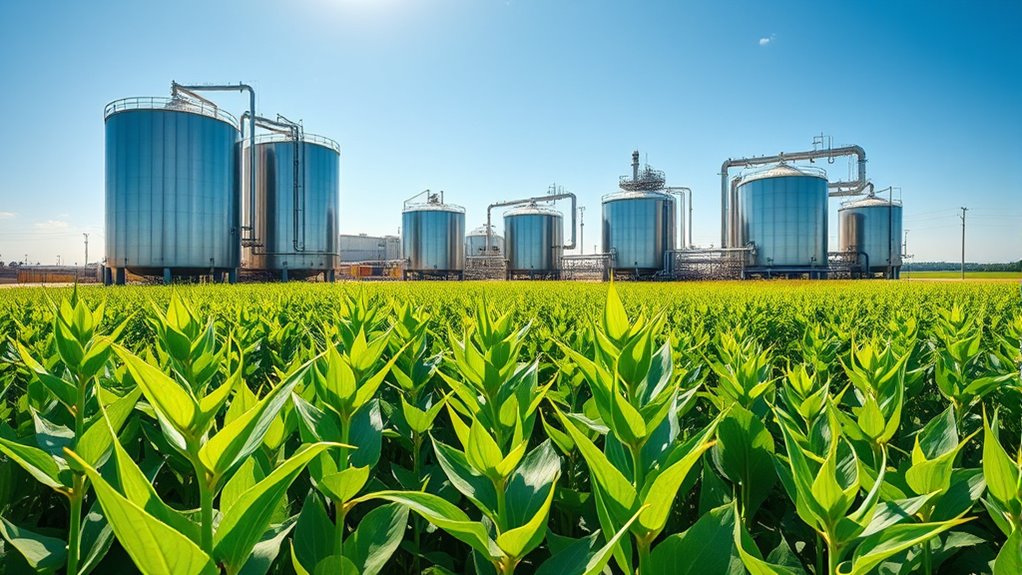
Are biofuels and biodiesel viable alternatives to traditional fossil fuels? This question often comes up as the world seeks cleaner, more sustainable energy sources. The answer isn’t straightforward, but it largely depends on how these fuels are produced and used. One of your main concerns should be feedstock sustainability. Not all sources of biofuel are created equal, and using crops like corn or soy can lead to environmental issues such as deforestation, water shortages, and loss of biodiversity. To truly benefit from biofuels, you need to focus on sustainable feedstocks—materials that are renewable and have minimal environmental impact. This includes waste oils, agricultural residues, or dedicated energy crops grown on marginal land. These options reduce the pressure on food supplies and help maintain ecological balance. When considering biofuel adoption, it’s essential to evaluate whether these feedstocks are harvested responsibly and whether their cultivation processes support long-term sustainability. Additionally, understanding the cost behavior analysis of biofuel production can help determine its economic viability relative to traditional fuels.
Engine compatibility is another important factor. Not all vehicles are designed to run efficiently on biofuels or biodiesel blends. Some engines can handle up to B20 (20% biodiesel), but higher concentrations might cause problems like clogging or material degradation over time. If you’re planning to switch to biofuels, you should check your vehicle’s manufacturer guidelines to confirm compatibility. Modern engines are becoming more tolerant of biodiesel, but older models might require modifications or may not be suitable at all. Using incompatible fuels can lead to decreased engine performance, increased maintenance costs, or even engine damage. As a result, understanding your vehicle’s specifications and choosing the right blend is essential to avoid costly repairs and ensure smooth operation. Furthermore, the supply chain and infrastructure for biofuels are still developing. If you’re considering making the switch, it’s worth investigating local availability and the quality of the biofuel you intend to use. Properly refined biofuels can offer comparable performance to traditional fuels, but inferior quality or inconsistent supplies can cause issues down the line. Also, as you look into biofuel options, consider the lifecycle emissions. A truly sustainable biofuel should minimize greenhouse gases from production to combustion, making it a more climate-friendly choice.
Top picks for "biofuel biodiesel consideration"
As an affiliate, we earn on qualifying purchases.
Frequently Asked Questions
How Does Biofuel Impact Global Food Prices?
You might notice that biofuel production contributes to food price inflation by increasing demand for agricultural land use. When crops like corn and soy are diverted for biofuel, less is available for food, raising prices. This shift can drive up costs for consumers globally, especially in regions heavily reliant on these staples. So, your food expenses could rise as agricultural land use prioritizes biofuel over food production.
What Are the Environmental Trade-Offs of Biodiesel Production?
Biodiesel’s environmental trade-offs involve balancing benefits and burdens. You may find that land use expands as crops grow for fuel, risking habitat harm. Water consumption spikes, straining resources and ecosystems. While biodiesel can reduce greenhouse gases, it can also produce pollution and deplete water supplies. You must weigh these factors to determine whether biodiesel’s benefits outweigh its environmental burdens, considering sustainable practices for a healthier planet.
Can Biofuels Fully Replace Fossil Fuels in Transportation?
You can’t rely solely on biofuels to fully replace fossil fuels in transportation yet. While technological feasibility improves, current biofuel production faces economic viability challenges, such as high costs and limited supply. You’ll need advancements in biofuel technology and infrastructure, along with policy support, to make biofuels a more practical, large-scale alternative. Until then, fossil fuels will likely remain the primary energy source for transportation.
Are There Any Health Risks Associated With Biofuel Emissions?
You might wonder if biofuel emissions pose health hazards, and the answer is yes, but it’s complex. Emission toxins from biofuels can cause respiratory issues and other health problems, especially with prolonged exposure. While they’re generally cleaner than fossil fuels, some pollutants still linger. Staying informed and advocating for thorough testing helps protect your health, as ongoing research continues to uncover the full scope of these potential risks.
What Policies Support the Adoption of Biofuels Worldwide?
You can support biofuel adoption worldwide through policies like government incentives and renewable mandates. Incentives such as tax credits and subsidies encourage producers and consumers to choose biofuels, making them more affordable. Renewable mandates require a certain percentage of fuels to come from renewable sources, driving industry growth. By advocating for these policies, you help promote sustainable energy, reduce emissions, and foster innovation in renewable energy technologies globally.
Conclusion
As you explore biofuels and biodiesel, imagine a future where your choices fuel cleaner skies and greener fields. Every drop you consider can help turn barren lands into thriving ecosystems, replacing the gray haze of pollution with clear, blue horizons. By making informed decisions, you become part of this vibrant transformation—driving away dependence on fossil fuels and steering toward a sustainable tomorrow. Your actions can light the path to a brighter, more sustainable world.
Fall Picks
fall essentials
As an affiliate, we earn on qualifying purchases.