In the first 24 hours of an extended outage, stay calm and evaluate your surroundings for hazards. Use your emergency kit wisely, conserve energy by limiting device use, and keep fridge doors closed to protect food. Communicate with family and neighbors through texts or social media, and stay updated via a battery-powered radio. Prioritize safety, check on vulnerable neighbors, and prepare for ongoing challenges. Want to learn more essential steps? Continue exploring to stay ahead.
Key Takeaways
- Assess safety hazards and check for damages; prepare an emergency kit with essentials like water, food, batteries, and flashlight.
- Conserve resources by limiting device use, keeping fridge doors closed, and turning off unnecessary electronics.
- Stay informed through battery-powered radios or social media; monitor official updates and safety advisories.
- Communicate with family and neighbors, especially vulnerable individuals, to coordinate assistance and share information.
- Plan for heating or cooling needs based on weather, and review emergency procedures to ensure preparedness.
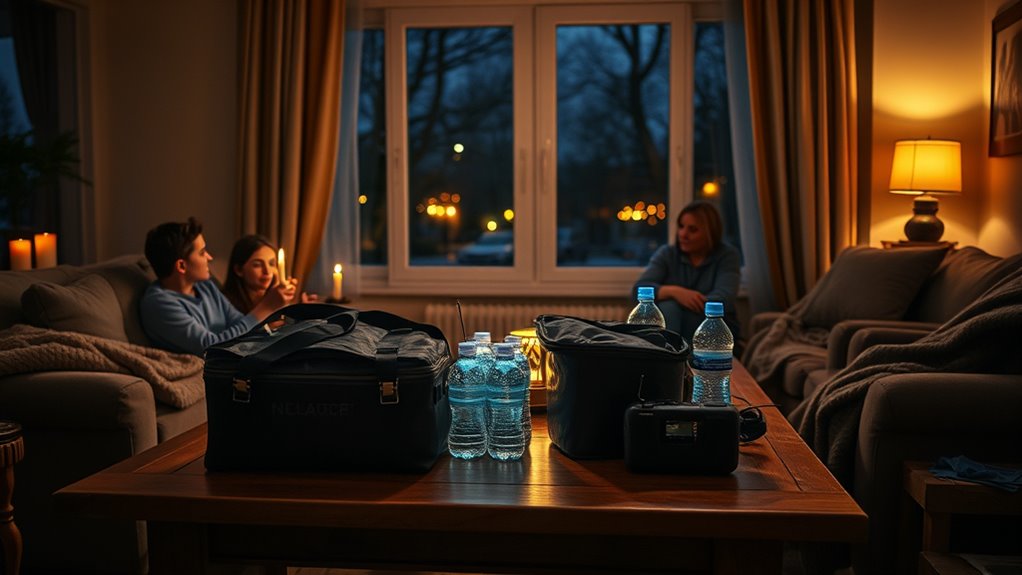
Experiencing a power outage can be disruptive, but knowing what to do in the first 24 hours can make a big difference. When the lights go out unexpectedly, your first priority is to stay calm and assess the situation. Emergency preparedness is key here; having an emergency kit with essentials like bottled water, non-perishable food, batteries, and a flashlight can help you manage the initial shock and keep basic needs covered. Keep your cell phone charged and avoid unnecessary usage to preserve battery life, especially if communication infrastructure starts to falter.
Effective communication strategies are essential during an extended outage. Inform your family members about the situation and establish a plan for staying in touch if you’re separated. Use text messages or social media, which often consume less power than voice calls, to check in with loved ones and stay updated on the outage status. If you have a battery-powered or hand-crank radio, tune in to local emergency broadcasts for official updates and instructions. This helps you avoid misinformation and stay informed about any safety advisories or restoration timelines.
Stay connected with family via text or social media and listen to local broadcasts for updates during outages.
During this critical first day, you should also prioritize conserving resources and preventing additional hazards. Turn off appliances, electronics, and lights that are not in use to prevent power surges once electricity is restored. Avoid opening the refrigerator or freezer unnecessarily to keep food cold longer. If you have perishable items that are at risk of spoiling, plan to use them early or find alternative storage options. Keep a close watch on weather conditions, as storms or extreme temperatures can worsen the situation. If you’re in a cold climate, bundle up to stay warm; if it’s hot, stay hydrated and seek shelter from the heat.
Maintaining clear communication with neighbors and local authorities can also enhance your safety. Check if your community has a designated emergency alert system and sign up if possible. These channels can provide essential information about ongoing outages, safety tips, or available assistance. If you have a neighbor who is vulnerable, such as elderly or disabled residents, check on them if it’s safe to do so. Your community’s collective effort can greatly improve everyone’s chances of weathering the outage smoothly. Additionally, understanding the role of battery technologies and portable power solutions can help you prepare for future outages and maintain essential devices when the grid is down.

Porch Shield Generator Cover for 5500-15000W, 38 x 28 x 30 inch, Black
- Compatible - More sizes for 5500w -15000w gas...
- Upgrade Material - Made of 600D polyester fabric...
- Tear Resistant & Waterproof - The high-level double...
As an affiliate, we earn on qualifying purchases.
Frequently Asked Questions
How Can I Stay Informed About Outage Updates?
To stay informed about outage updates, you should regularly check community updates and outage notifications from your service provider. Sign up for alerts via email or text messages if available, so you get real-time information. Follow their social media accounts, as they often post timely updates. Keep your devices connected and guarantee notifications are enabled, so you don’t miss any critical information during an extended outage.
What Should I Do if I Have Medical Needs During an Outage?
If you have medical needs during an outage, don’t rely on the dark to diagnose your chaos. Keep your medical supplies handy and guarantee emergency contacts are easily accessible. Stay calm, follow your healthcare provider’s emergency plan, and reach out to local emergency services if needed. Remember, staying prepared and informed helps you navigate the blackout without losing your health in the process.
Are There Safety Hazards to Watch for During a Prolonged Outage?
During a prolonged outage, watch for outdoor hazards like downed power lines and unstable trees that could cause injury. Also, prioritize electrical safety by avoiding contact with damaged wiring or electrical equipment. Keep clear of flooded areas or open flames, and stay alert for potential gas leaks. Always report hazards to authorities and stay indoors if unsafe conditions arise, ensuring your safety and that of others around you.
How Can I Protect My Food From Spoilage?
Did you know that perishable food can spoil in just 4 hours without power? To protect your food, focus on food preservation and spoilage prevention. Keep refrigerator and freezer doors closed as much as possible to maintain cold temperatures. Use coolers with ice for additional storage, and avoid opening containers unnecessarily. If you suspect spoilage, discard questionable items to prevent foodborne illnesses and keep your family safe.
What Alternative Communication Methods Are Recommended?
During an extended outage, you should rely on alternative communication methods like battery-powered radios and satellite phones. Battery-powered radios are essential for receiving emergency updates and staying informed, especially when power is out. Satellite phones work even without cell service, allowing you to contact loved ones or emergency services. Keep these devices charged and stocked in your emergency kit so you’re prepared to stay connected when traditional communication channels fail.
Porch Shield Generator Cover for 5000-10000W, 32 x 24 x 24 inch, Black
- Compatible - More sizes for 5000w -10000w gas...
- Upgrade Material - Made of 600D polyester fabric...
- Tear Resistant & Waterproof - The high-level double...
As an affiliate, we earn on qualifying purchases.
Conclusion
In the first 24 hours, you’ve set a steady course through the temporary clouds. Remember, patience and a bit of creativity turn challenges into opportunities. Embrace this quiet pause to reconnect with your surroundings and loved ones, finding calm in the stillness. Though the digital hum fades, this moment offers a gentle reminder that sometimes, the best stories unfold when we slow down and enjoy the simple, unspoken joys around us.
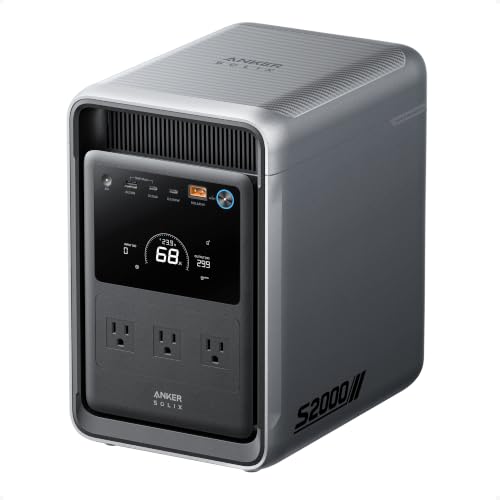
Anker SOLIX S2000 Portable Power Station, 2,010Wh, 1,500W, Home Backup, UPS
- Up to 35-Hour Fridge Backup: With 6W idle power draw...
- 10,000-Cycle LFP Battery: Powered by 314Ah LFP cells,...
- Smallest and Lightest 2kWh Power Station: 30% smaller and 25% lighter...
As an affiliate, we earn on qualifying purchases.

Jackery Explorer 1000 v2 Portable Power Station,1070Wh,1500W
- Powerful yet Compact: Boasting a 1,500W AC output...
- One Hour Fast Charging: Charge your Explorer 1000 v2...
- 10 Year Lifespan: The Explorer 1000 v2 portable...
As an affiliate, we earn on qualifying purchases.