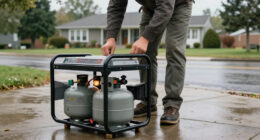

Load shedding is a way utility companies manage high power demand by temporarily cutting electricity to certain areas, preventing grid failure. It’s a planned process that helps keep the overall system stable during peak times like heatwaves or busy evenings. This isn’t a failure but a safety measure. By understanding why it happens, you can learn simple ways to save energy and better prepare for outages. Keep exploring to discover how you can contribute to a more resilient power system.

Get backup power and energy gear delivered free with Prime
- Fast, free delivery on millions of items
- Prime Video, Amazon Music and more included
- Member-only deals all year
Key Takeaways
- Load shedding is a planned power cut to prevent total system failure during high demand periods.
- It involves temporary, scheduled electricity outages prioritized for essential services.
- Understanding load shedding helps you conserve energy and reduces the impact of outages.
- It’s a safety measure to balance supply and demand, not a sign of system failure.
- Simple actions like turning off unused devices support grid stability and reduce outage severity.
Understanding the Basics of Load Shedding
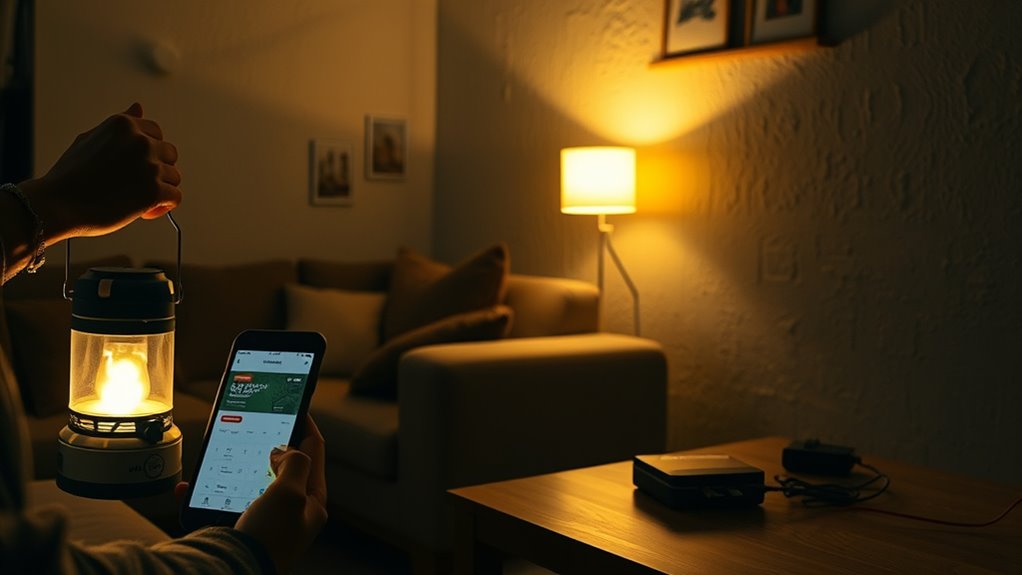
Have you ever experienced sudden power outages and wondered what causes them? Often, these interruptions happen because the power grid can’t keep up with fluctuating energy demand. The power grid is a complex network that delivers electricity from power plants to homes, businesses, and industries. When too many devices turn on at once or when certain times of the day see increased electricity use, the grid faces pressure to supply enough power. If the demand exceeds what the grid can handle, outages can occur to prevent the entire system from collapsing. This balancing act is why understanding the basics of load shedding is so important.
Load shedding is a strategy used by utility companies to manage high energy demand and prevent the grid from failing. It involves intentionally cutting power to certain areas for a period of time. Think of it as a way to lighten the load on the system, giving it a chance to recover and continue functioning smoothly. When energy demand spikes — for example, during a heatwave when everyone turns on air conditioners — the grid becomes strained. If the supply can’t meet the demand, the utility company might implement load shedding to avoid a total blackout. This process isn’t random; it’s carefully planned based on factors like usage patterns, infrastructure capacity, and the importance of specific areas.
Load shedding helps manage high energy demand and prevent blackouts through planned power cuts.
Understanding how the power grid works helps you see why load shedding happens when it does. During peak hours, such as early evening when people return home and switch on appliances, the demand for electricity surges. The grid, which has limited capacity, may struggle to supply everyone simultaneously. To prevent this overload, utility companies may reduce power to less critical areas first, ensuring essential services like hospitals and emergency services stay operational. These scheduled outages are usually communicated in advance, giving you time to prepare.
The key to managing load shedding is recognizing that it’s a necessary measure to keep the entire system stable. It’s not a sign of failure but a safeguard designed to prevent more widespread and dangerous blackouts. By understanding the role of the power grid and how energy demand influences load shedding, you can better appreciate the importance of conserving electricity during peak times. Simple actions like turning off unused appliances or delaying high-energy tasks can make a difference. Being aware of these basics allows you to navigate power outages with less frustration and contribute to a more resilient energy system. Additionally, understanding the power grid infrastructure can help you make informed decisions about energy consumption and support ongoing improvements in energy management.
Frequently Asked Questions
How Do I Prepare My Home for Load Shedding?
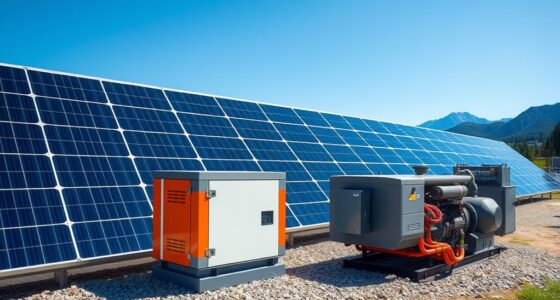
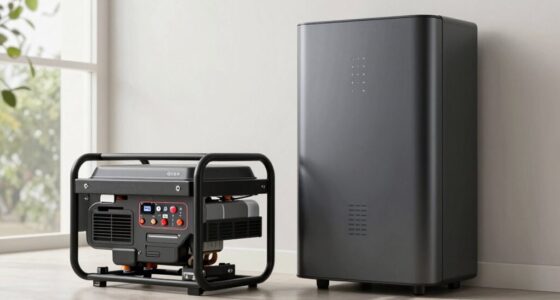
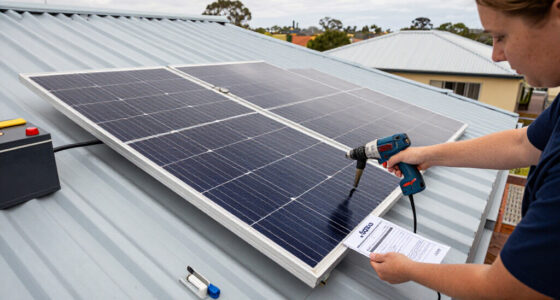
To prepare your home for load shedding, you should invest in backup generators and solar panels. Backup generators ensure you have power during outages, while solar panels can supplement your energy needs and reduce dependence on the grid. You can also store enough batteries or fuel, keep essential devices charged, and plan your activities around scheduled load shedding times. This way, you’re better equipped and less affected when power goes out.
What Appliances Are Safest to Use During Load Shedding?
During load shedding, you should prioritize using battery-powered or hand-crank appliances, which are safest and unaffected by power surges. Keep your devices protected from power surges by unplugging sensitive electronics, like your laptop or TV. Use lanterns or flashlights instead of candles to avoid fire hazards. By choosing appliances wisely and safeguarding against surges, you’ll keep your home safe and ensure your essentials stay powered during outages.
How Can I Conserve Energy During Power Outages?
To conserve energy during power outages, follow simple energy saving tips like turning off unnecessary devices and unplugging electronics to prevent phantom loads. Use battery-powered or solar chargers for essential gadgets. Keep emergency preparedness supplies ready, including flashlights and extra batteries. Limit lighting and avoid opening fridge or freezer doors often. These steps help reduce energy use, extend battery life, and ensure you’re prepared for outages effectively.
Are There Any Government Programs to Assist With Load Shedding?
Are you aware that government assistance programs and utility initiatives can help ease the burden of load shedding? Yes, many governments offer support through utility programs that provide financial aid or alternative energy solutions. These programs aim to assist households and businesses during power outages. You should check with local authorities or utility companies to find out what specific assistance options are available in your area and how you can benefit from them.
How Does Load Shedding Impact My Electricity Bills?
Load shedding can cause your electricity bills to fluctuate unexpectedly. When power is cut, you might see billing adjustments, especially if your provider charges based on peak usage or demand. These cost fluctuations occur because you’re using less power during outages, but if you’re charged for a minimum or fixed fee, your overall bill may still be affected. Staying aware of load shedding schedules helps you manage your consumption and avoid surprises.
Conclusion
Now you’re equipped with the basics of load shedding, understanding why it happens and how it affects you. Remember, knowledge is power—don’t wait for the lights to go out before you prepare. By staying informed and planning ahead, you can navigate load shedding more smoothly. As the saying goes, “A stitch in time saves nine.” Stay proactive, and you’ll handle load shedding like a pro.
Fall Picks
fall essentials
As an affiliate, we earn on qualifying purchases.