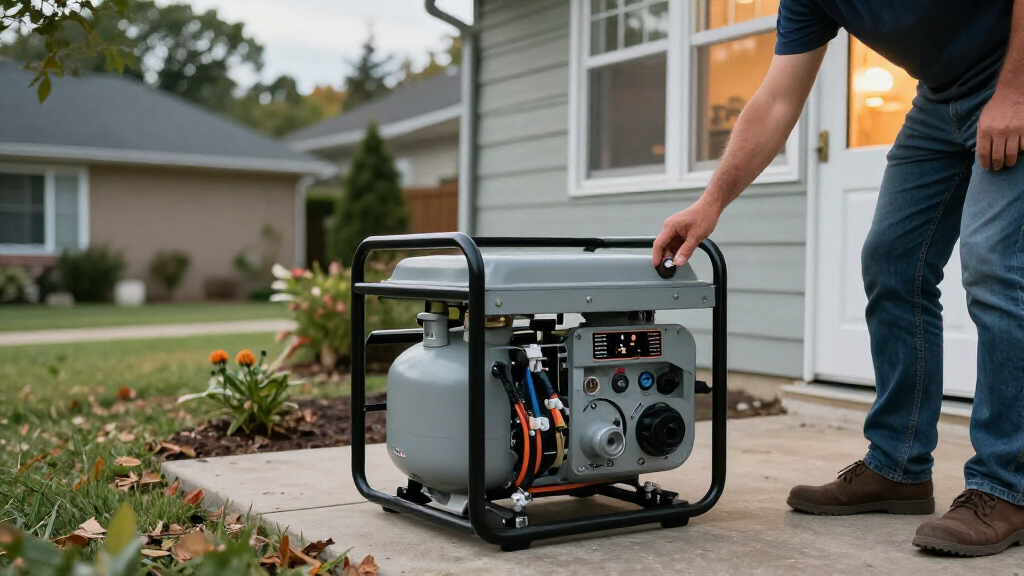

Natural gas standby generators can restore home power automatically, while tri-fuel portable models offer a lower-commitment alternative that can run on natural gas when properly connected. My best overall pick is the Generac 22 kW Whole-Home Standby Generator for its balance of home-backup capacity and cellular monitoring; the Generac 26 kW stands out for larger loads, and the Westinghouse WGen20000TFc offers fuel flexibility in a portable format. The main tradeoffs are automatic operation versus portability, capacity versus installation demands, and included transfer-switch features versus a separate electrical plan. These products are not interchangeable: portable tri-fuel units need manual setup and a suitable connection, while fixed standby systems are designed for automatic backup. Read on for the full comparison, selection criteria, and guidance on matching a generator to your home.

Get backup power and energy gear delivered free with Prime
- Fast, free delivery on millions of items
- Prime Video, Amazon Music and more included
- Member-only deals all year
Complete the kit


Key Takeaways
- Fixed standby and portable tri-fuel models serve different jobs: Generac’s lineup is designed for automatic home backup, while Westinghouse and DuroMax units trade automation for portability and multiple fuel options.
- The 22 kW Generac is the most balanced standby choice in this group: it sits between the 18 kW and 24–26 kW models, with cellular monitoring in the listed configuration.
- Transfer-switch bundles vary even among similar Generac capacities: compare the 14 kW and 10 kW listings with transfer switches against similarly sized versions where a switch is not specified.
- Fuel flexibility does not make portable generators hands-off: tri-fuel models still need safe outdoor placement, a compatible natural-gas connection, and user involvement during an outage.
- Monitoring and generator size are separate decisions: cellular or Wi-Fi features help with status checks, but they do not replace load calculations, installation planning, or maintenance.
| Generac 22kW Whole-Home Standby Generator with Cellular Connectivity |  | Best Overall | Power output: 22 kW | Fuel: Natural gas or LP (propane) | Voltage: 240 volts | VIEW LATEST PRICE | See Our Full Breakdown |
| Generac 14 kW Whole-Home Standby Generator with 200 Amp Transfer Switch and Cellular Connectivity |  | Best for Moderate Household Loads | Running wattage: 14,000 watts | Fuel: Natural gas or LP | Voltage: 240 volts | VIEW LATEST PRICE | See Our Full Breakdown |
| Westinghouse WGen20000TFc 28,000-Watt Tri-Fuel Portable Generator |  | Best High-Output Portable Option | Starting wattage: 28,000 watts | Running wattage: 20,000 watts | Fuel types: Gasoline, propane, and natural gas | VIEW LATEST PRICE | See Our Full Breakdown |
| Westinghouse WGen14500TFc Tri-Fuel Portable Generator with Remote Electric Start and CO Sensor |  | Best Mid-Output Tri-Fuel Portable | Peak wattage: 18,000 watts | Running wattage: 14,500 watts on gasoline | Fuel types: Gasoline, propane, and natural gas | VIEW LATEST PRICE | See Our Full Breakdown |
| Generac 26 kW Whole Home Standby Generator with Cellular Connectivity | | Best for Maximum Standby Capacity | Power output: 26 kW | Fuel: Natural gas or liquid propane | Voltage: 240 volts | VIEW LATEST PRICE | See Our Full Breakdown |
| Generac 10kW Whole Home Standby Generator with Cellular Connectivity | | Best Compact-Capacity Standby Pick | Output: 10,000 watts starting and running | Fuel: Natural gas | Voltage: 120 volts | VIEW LATEST PRICE | See Our Full Breakdown |
| Generac 24 kW Whole Home Standby Generator with Cellular Connectivity |  | Best for High-Demand Homes | Output: 24,000 watts starting; 24 kW running | Fuel: Natural gas or propane | Voltage: 240 volts | VIEW LATEST PRICE | See Our Full Breakdown |
| Westinghouse WGen10500TFc 13,500-Watt Tri-Fuel Portable Generator with Remote Electric Start |  | Best Portable Natural-Gas Alternative | Fuel types: Gasoline, propane (LPG), and natural gas | Peak output: 13,500 watts | Running output: 10,500 watts on gasoline | VIEW LATEST PRICE | See Our Full Breakdown |
| Generac 22 kW Whole Home Standby Generator with Transfer Switch and Cellular Connectivity | | Best Integrated Transfer-Switch Package | Output: 22 kW; 22,000 watts starting | Fuel compatibility: LP or natural gas | Voltage: 240 volts | VIEW LATEST PRICE | See Our Full Breakdown |
| Generac 10 kW Whole Home Standby Generator with Transfer Switch and Cellular Connectivity |  | Best Lower-Capacity Package with Transfer Switch | Output: 10,000 watts starting and running | Fuel: Natural gas or liquefied petroleum gas | Voltage: 120 volts | VIEW LATEST PRICE | See Our Full Breakdown |
| Westinghouse WGen11500TFc Tri-Fuel Portable Generator |  | Best Portable Option for Longer Gasoline Runs | Peak output: 14,500 watts | Running output: 11,500 watts | Fuel types: Gasoline, propane, natural gas | VIEW LATEST PRICE | See Our Full Breakdown |
| Generac 18 kW Whole Home Standby Generator with Cellular Connectivity | | Best for Remote Monitoring | Fuel types: Natural gas or propane | Voltage: 240 volts | Monitoring: Built-in cellular connectivity; Mobile Link app | VIEW LATEST PRICE | See Our Full Breakdown |
| Generac GP9500E Tri-Fuel Portable Generator with Electric Start |  | Best Maneuverable Tri-Fuel Pick | Running output: 9,500 watts | Starting output: 12,500 watts on gasoline | Fuel types: Gasoline, liquid propane, natural gas | VIEW LATEST PRICE | See Our Full Breakdown |
| DuroMax XP13000HXT 13,000-Watt Tri-Fuel Portable Generator with CO Alert |  | Best for High-Output Portable Backup | Starting output: 13,000 watts | Running output: 10,500 watts | Fuel types: Gasoline, propane, natural gas | VIEW LATEST PRICE | See Our Full Breakdown |
| Generac Guardian 22 kW Home Standby Generator with Transfer Switch and Wi-Fi Monitoring |  | Best Complete Standby Package | Fuel types: Natural gas or LP gas | Voltage: 240 volts | Engine: Generac G-Force 1000 Series, 999cc | VIEW LATEST PRICE | See Our Full Breakdown |
| natural gas standby generator | Voltage | Weight | Warranty | Fuel types |
|---|---|---|---|---|
| Generac 22kW Whole-Home Standb | 240 volts | 451 pounds | 5-year limited warranty | — |
| Generac 14 kW Whole-Home Stand | 240 volts | 391 pounds | — | — |
| Westinghouse WGen20000TFc 28,0 | 240 volts | — | 3-year limited residential warranty | Gasoline, propane, and natural gas |
| Westinghouse WGen14500TFc Tri- | 120/240 volts | — | 3-year limited residential warranty | Gasoline, propane, and natural gas |
| Generac 26 kW Whole Home Stand | 240 volts | 524 pounds | 5-year limited warranty | — |
| Generac 10kW Whole Home Standb | 120 volts | 344 pounds | 5-year limited warranty | — |
| Generac 24 kW Whole Home Stand | 240 volts | 461 pounds | 5-year limited warranty | — |
| Westinghouse WGen10500TFc 13,5 | — | — | 3-year limited residential warranty; lifetime technical support | Gasoline, propane (LPG), and natural gas |
| Generac 22 kW Whole Home Stand | 240 volts | 451 pounds | 5-year limited warranty | — |
| Generac 10 kW Whole Home Stand | 120 volts | 384 pounds | 5-year limited warranty | — |
| Westinghouse WGen11500TFc Tri- | — | — | — | Gasoline, propane, natural gas |
| Generac 18 kW Whole Home Stand | 240 volts | 426 pounds | — | Natural gas or propane |
| Generac GP9500E Tri-Fuel Porta | — | 219 pounds | — | Gasoline, liquid propane, natural gas |
| DuroMax XP13000HXT 13,000-Watt | — | — | — | Gasoline, propane, natural gas |
| Generac Guardian 22 kW Home St | 240 volts | 466 pounds | 5-year limited warranty | Natural gas or LP gas |
More Details on Our Top Picks
Generac 22kW Whole-Home Standby Generator with Cellular Connectivity
I’d put this 22 kW Generac near the top for homeowners who want automatic, natural-gas whole-home backup rather than a portable unit that needs to be started and connected during an outage. Its 240-volt output and automatic outage response make it a stronger fit for broad household coverage than the 14 kW Generac, though actual loads and installation design determine what it can run at once. Built-in cellular connectivity adds remote monitoring, while cold-weather features address a practical readiness concern. Compared with the 26 kW Generac, this model gives up capacity but is also lighter; at 451 pounds, it still needs professional placement. The main catch is that Mobile Link’s remote updates and alerts require a premium subscription. I’d choose it for balanced capacity, not for the largest possible load.
Pros:- Automatically detects utility outages and supplies backup power
- Runs on natural gas or LP fuel
- Built-in cellular connectivity supports remote monitoring and control
- Cold-weather readiness features and a 5-year limited warranty
Cons:- Mobile Link premium subscription is required for remote updates and alerts
- At 451 pounds, it requires careful professional handling and installation
- Its 22 kW output is below the 26 kW Generac for homes with larger loads
Best for: Homeowners with an existing natural gas line who want automatic backup for a broad set of household circuits and remote status monitoring.
Not ideal for: Buyers who need the greatest capacity in this lineup, want app alerts without a subscription, or need a portable generator they can reposition.
- Power output:22 kW
- Fuel:Natural gas or LP (propane)
- Voltage:240 volts
- Connectivity:Built-in cellular; Mobile Link app monitoring and control
- Weight:451 pounds
- Dimensions:46.4 × 26.3 × 30.7 inches
- Warranty:5-year limited warranty
Our verdict“Choose this Generac if you want a 22 kW automatic natural-gas standby system with cellular monitoring and do not need the 26 kW model’s extra output.”
Generac 14 kW Whole-Home Standby Generator with 200 Amp Transfer Switch and Cellular Connectivity
The 14 kW Generac is the more restrained standby choice here: it pairs automatic outage response with a 200 amp automatic transfer switch, giving buyers a specified switching component in the package rather than leaving that detail open. It runs on natural gas or LP and includes cellular connectivity, oil-level monitoring, and cold-start features. Compared with the 22 kW Generac, its lower output makes it better suited to a managed selection of household loads than a home seeking broader simultaneous coverage. Its 391-pound weight is also lower, though it remains a substantial permanent installation. Remote updates and alerts require a Mobile Link premium subscription, so the connectivity is not a subscription-free monitoring solution. I’d favor this model when the included transfer switch and moderate capacity matter more than maximizing backup output.
Pros:- Runs on an existing natural gas or LP supply
- Includes a 200 amp automatic transfer switch
- Automatically starts when utility power is lost
- Cellular connectivity and cold-start features support monitoring and readiness
Cons:- 14 kW output is lower than the 22 kW and 26 kW Generac standby options
- Remote updates and alerts require a Mobile Link premium subscription
- At 391 pounds, it still calls for professional installation and handling
Best for: Homeowners with moderate backup needs who want an automatic standby system with a 200 amp transfer switch specified in the package.
Not ideal for: Owners planning to power many large household loads at once, or buyers unwilling to pay for a subscription for remote updates and alerts.
- Running wattage:14,000 watts
- Fuel:Natural gas or LP
- Voltage:240 volts
- Transfer switch:200 amp automatic
- Connectivity:Built-in cellular
- Weight:391 pounds
- Dimensions:46.4 × 26.3 × 30.7 inches
Our verdict“Pick this model for moderate household backup when the included 200 amp automatic transfer switch matters more than higher output.”
Westinghouse WGen20000TFc 28,000-Watt Tri-Fuel Portable Generator
This Westinghouse is the lineup’s portable alternative for buyers who value high output and fuel flexibility over automatic standby operation. It can run on natural gas, propane, or gasoline, and delivers 20,000 running watts, but it does not detect an outage and switch the home over like the Generac standby models do. That distinction changes the buying decision: this unit needs manual operation and a separately purchased transfer switch for home connection. Its 999 cc engine, remote and electric start, and less-than-5% THD output make it a capable option for backup or jobsite use. Compared with the smaller WGen14500TFc, it offers more running wattage but carries a 17.2-gallon gasoline tank and is less convenient to move. Natural-gas operation also depends on a suitable connection and setup.
Pros:- Tri-fuel operation includes natural gas
- 20,000 running watts provide more output than the WGen14500TFc
- Remote and electric start reduce effort when starting the unit
- Less than 5% THD and a carbon monoxide sensor are specified
Cons:- Does not provide automatic standby operation
- Transfer switch is sold separately for home connection
- Large fuel tank and high-output design make it less convenient to move
Best for: Buyers who want substantial portable backup or jobsite power and the ability to use natural gas, propane, or gasoline.
Not ideal for: Homeowners seeking unattended, automatic outage response or a compact generator that is easy to move and store.
- Starting wattage:28,000 watts
- Running wattage:20,000 watts
- Fuel types:Gasoline, propane, and natural gas
- Engine:999 cc 4-stroke OHV V-twin
- Fuel tank capacity:17.2 gallons
- Runtime:Up to 15 hours at 25% load on gasoline
- Voltage:240 volts
- Total harmonic distortion:Less than 5%
- Warranty:3-year limited residential warranty
Our verdict“Choose the WGen20000TFc if you need high-output portable power with natural gas capability and can manage setup manually.”
Westinghouse WGen14500TFc Tri-Fuel Portable Generator with Remote Electric Start and CO Sensor
The WGen14500TFc offers a middle ground for shoppers who want portable tri-fuel power without stepping up to the larger WGen20000TFc. It runs on natural gas, propane, or gasoline and provides 14,500 running watts on gasoline, with remote and push-button electric starting. That flexibility can help when one fuel is unavailable, but this is still a portable generator, not an automatic standby system: it will not start and transfer household loads by itself during an outage. A transfer switch is sold separately. The 10.5-gallon gasoline tank is smaller than the WGen20000TFc’s 17.2-gallon tank, while the listed gasoline runtime is up to 16 hours at 25% load. I’d consider it for buyers who prioritize a more manageable output level and multiple fuel choices over unattended whole-home backup.
Pros:- Operates on natural gas, propane, or gasoline
- Remote and push-button electric start are included
- Less than 5% THD is specified for its output
- Smaller gasoline tank than the WGen20000TFc
Cons:- Does not automatically start or transfer household power during an outage
- Automatic transfer switch is sold separately
- Up to 16 hours of runtime is stated only at 25% load on gasoline
Best for: Homeowners who can start and connect a portable unit themselves and want natural gas as one of three fuel options.
Not ideal for: Buyers who need automatic outage response, want an included transfer switch, or need more than its stated gasoline running output.
- Peak wattage:18,000 watts
- Running wattage:14,500 watts on gasoline
- Fuel types:Gasoline, propane, and natural gas
- Engine:713 cc 4-stroke OHV V-twin
- Fuel tank capacity:10.5 gallons
- Runtime:Up to 16 hours at 25% load on gasoline
- Voltage:120/240 volts
- Total harmonic distortion:Less than 5%
- Warranty:3-year limited residential warranty
Our verdict“Choose this Westinghouse if you want a portable tri-fuel generator with moderate-to-high output and accept manual home backup setup.”
Generac 26 kW Whole Home Standby Generator with Cellular Connectivity
For a home where backup capacity takes priority, this 26 kW Generac offers the highest stated output among these five products. It runs on natural gas or LP and automatically supplies backup power when utility service is interrupted, unlike the two Westinghouse portable generators, which require manual setup. Its cellular connection supports Mobile Link monitoring and control, but app features require a premium subscription. Cold-start support, oil-level monitoring, and a 5-year limited warranty add readiness and ownership support. The tradeoff is size: at 524 pounds, it is heavier than the 22 kW Generac, which may be sufficient for buyers with lower loads. I’d put this model ahead of the 22 kW option only when the extra rated capacity fits the home’s load plan; it is not a substitute for sizing the system to actual demand.
Pros:- Highest stated output among the five products in this batch
- Automatically supplies backup power during utility outages
- Runs on natural gas or liquid propane
- Cold-start support and a 5-year limited warranty are specified
Cons:- Heavier than the 22 kW Generac at 524 pounds
- Mobile Link app features require a premium subscription
- Higher capacity may be unnecessary for homes with modest backup loads
Best for: Owners of larger homes with substantial backup loads who want an automatic natural-gas standby generator and have space for a permanent installation.
Not ideal for: Households with modest backup needs, buyers seeking a portable unit, or owners who want app monitoring without a premium subscription.
- Power output:26 kW
- Fuel:Natural gas or liquid propane
- Voltage:240 volts
- Connectivity:Built-in cellular; Mobile Link app requires premium subscription
- Features:Automatic voltage regulation, low-oil shutdown, and automatic idle control
- Weight:524 pounds
- Dimensions:46.4 × 26.3 × 30.7 inches
- Warranty:5-year limited warranty
Our verdict“Choose the 26 kW Generac when your home’s planned loads call for more capacity than the 22 kW model and you want automatic standby operation.”
Generac 10kW Whole Home Standby Generator with Cellular Connectivity
At 10 kW, this is the lower-capacity automatic standby choice in this group, suited to households that want outage response without stepping up to the 22 or 24 kW Generac models. It runs on a natural gas connection and starts automatically when utility power fails, so it avoids the manual setup required by the portable Westinghouse WGen10500TFc. Built-in cellular connectivity, oil-level monitoring, and cold-start support add useful oversight, though remote app features require a paid Mobile Link premium subscription. The main tradeoff is capacity: buyers planning to run many large loads at once should compare it with the Generac 22 kW model instead. At 344 pounds, it is still a substantial, fixed-installation unit, not something to reposition casually.
Pros:- Automatically detects outages and supplies residential backup power
- Runs on a natural gas connection
- Cellular monitoring, maintenance alerts, and oil-level monitoring
- Cold-start support and a 5-year limited warranty
Cons:- 10 kW output is less suited to homes with many simultaneous high-demand loads
- Remote monitoring and control require a Mobile Link premium subscription
- Heavy at 344 pounds, requiring a planned fixed installation
Best for: Households seeking automatic natural-gas backup for a modest set of essential home loads, with remote status monitoring available.
Not ideal for: Homes that need to power many high-demand appliances simultaneously or buyers who want remote app features without a recurring subscription.
- Output:10,000 watts starting and running
- Fuel:Natural gas
- Voltage:120 volts
- Ignition:Electronic
- Monitoring:Built-in cellular; remote features require Mobile Link premium subscription
- Weight:344 pounds
- Dimensions:46.3 × 24.6 × 30.7 inches
- Warranty:5-year limited warranty
Our verdict“Choose this Generac when automatic natural-gas backup for essential loads matters more than the higher capacity of the 22 and 24 kW models.”
Generac 24 kW Whole Home Standby Generator with Cellular Connectivity
The 24 kW output gives this Generac the strongest stated capacity among the automatic standby units in this batch, making it the better fit for homes with more demanding backup plans than the 10 kW models can serve. It starts automatically during an outage and accepts either natural gas or propane, giving fuel-supply flexibility without the manual operation of the portable Westinghouse WGen10500TFc. Cellular monitoring, maintenance alerts, oil-level monitoring, and cold-start support add convenience, but remote access requires a paid Mobile Link premium subscription. That capacity comes with installation considerations: the unit weighs 461 pounds, and the product details do not list an included transfer switch. Compared with the 22 kW Generac, it offers more stated output, but buyers should match generator sizing and transfer equipment to their actual loads.
Pros:- 24 kW stated output for higher-demand residential backup
- Runs on natural gas or propane
- Automatic outage response with cellular monitoring and maintenance alerts
- Cold-start support, oil-level monitoring, and a 5-year limited warranty
Cons:- Remote monitoring and control require a Mobile Link premium subscription
- Heavy at 461 pounds, making installation a substantial project
- Transfer switch inclusion is not specified in the supplied product details
Best for: Owners of larger or higher-demand homes who want automatic standby operation and access to either natural gas or propane.
Not ideal for: Households with modest backup needs, buyers prioritizing a lighter unit, or anyone expecting remote app access without a subscription.
- Output:24,000 watts starting; 24 kW running
- Fuel:Natural gas or propane
- Voltage:240 volts
- Frequency:60 hertz
- Engine:Internal combustion
- Connectivity:Built-in cellular; Mobile Link premium subscription required for remote features
- Weight:461 pounds
- Warranty:5-year limited warranty
Our verdict“Pick the 24 kW Generac over the 10 kW options when your home needs greater stated capacity and you can accommodate its installation and subscription requirements.”
Westinghouse WGen10500TFc 13,500-Watt Tri-Fuel Portable Generator with Remote Electric Start
This Westinghouse is the lineup’s flexible option for buyers who want natural-gas capability but do not need a permanently installed automatic standby system. It also runs on gasoline and propane, and its push-button or remote electric start makes operation easier than a recoil-only portable; recoil remains available as a backup. On gasoline, it provides 10,500 running watts and up to 19 hours of runtime at 25% load, but the supplied data does not give a natural-gas wattage figure, so buyers should verify output for their intended fuel. Unlike the Generac 10 kW standby, it will not automatically take over when power fails, and its transfer switch is sold separately. The CO sensor and low-oil shutdown add safety support, while the heavy 500cc engine limits easy movement.
Pros:- Uses gasoline, propane, or natural gas
- Remote and push-button electric start, with recoil backup
- Up to 19 hours of runtime at 25% load on gasoline
- CO sensor, low-oil shutdown, and overload protection
Cons:- Does not provide automatic standby operation
- Transfer switch is sold separately
- Natural-gas output is not specified in the supplied product data, and the heavy engine can be hard to move
Best for: Homeowners who want a movable generator that can use a natural gas supply but also switch to gasoline or propane when needed.
Not ideal for: Buyers who need automatic outage response, a built-in transfer switch, or a clearly stated natural-gas output rating.
- Fuel types:Gasoline, propane (LPG), and natural gas
- Peak output:13,500 watts
- Running output:10,500 watts on gasoline
- Engine:500cc, 4-stroke OHV
- Gasoline tank:9.5 gallons (36 liters)
- Runtime:Up to 19 hours at 25% load
- Starting system:Push-button electric, remote key fob, and recoil backup
- Warranty:3-year limited residential warranty; lifetime technical support
Our verdict“Choose the WGen10500TFc if fuel flexibility and portability matter more than the automatic response of the Generac standby models.”
Generac 22 kW Whole Home Standby Generator with Transfer Switch and Cellular Connectivity
This 22 kW Generac pairs automatic standby operation with a listed 200 A automatic transfer switch, making it the clearest package choice here for buyers who want the switching hardware specified alongside the generator. It runs from an LP or natural gas supply and starts when utility power fails, unlike the portable Westinghouse WGen10500TFc, which requires manual operation and a separately purchased transfer switch. The 22 kW rating sits between the 10 kW Generac models and the 24 kW model, offering a middle-capacity alternative for residential backup. Cellular monitoring and maintenance alerts are included as capabilities, but remote app features require a paid Mobile Link premium subscription. At 451 pounds, it needs a planned installation, and buyers should confirm the 200 A switch and generator sizing suit their electrical system.
Pros:- 22 kW output with automatic outage response
- Compatible with natural gas or LP
- Includes a listed automatic 200 A transfer switch
- Cellular monitoring and maintenance alerts, plus a 5-year limited warranty
Cons:- Remote monitoring requires a Mobile Link premium subscription
- Heavy at 451 pounds, calling for professional installation planning
- Higher capacity may be unnecessary for homes with modest backup needs
Best for: Homeowners seeking an automatic natural-gas or LP standby system with a specified 200 A transfer switch included in the product package.
Not ideal for: Buyers with limited backup loads who may not need 22 kW, or those unwilling to pay for remote monitoring features or arrange heavy-equipment installation.
- Output:22 kW; 22,000 watts starting
- Fuel compatibility:LP or natural gas
- Voltage:240 volts
- Transfer switch:Automatic 200 A
- Connectivity:Built-in cellular; Mobile Link premium subscription required for remote features
- Weight:451 pounds
- Dimensions:46.4 × 26.3 × 30.7 inches
- Warranty:5-year limited warranty
Our verdict“Choose this 22 kW package if you want automatic natural-gas backup and a specified 200 A transfer switch rather than the greater capacity of the 24 kW model.”
Generac 10 kW Whole Home Standby Generator with Transfer Switch and Cellular Connectivity
This model combines 10 kW automatic backup with a listed 16-circuit automatic transfer switch, giving buyers a defined circuit-based setup rather than the higher-capacity 22 kW package’s 200 A switch. It can run on natural gas or LP and starts when utility power is lost, unlike the portable Westinghouse WGen10500TFc, which requires manual startup. The 16-circuit switch makes this a more targeted choice for households planning to protect selected circuits, not necessarily every load in the home. Cellular monitoring, oil-level monitoring, and cold-start improvements add oversight, though remote app functions require a paid Mobile Link premium subscription. At 384 pounds, this is still a fixed-installation system, and its 10 kW output may not suit homes that expect to operate many large appliances at once.
Pros:- Automatic outage response with 10 kW starting and running output
- Runs on natural gas or LP
- Includes an automatic 16-circuit transfer switch
- Cellular monitoring, oil-level monitoring, cold-start improvements, and a 5-year limited warranty
Cons:- 10 kW capacity may limit simultaneous use of high-demand appliances
- Remote monitoring requires a Mobile Link premium subscription
- Weighs 384 pounds and requires fixed installation planning
Best for: Households planning essential-load backup on selected circuits who want a 10 kW standby generator with a specified automatic transfer switch.
Not ideal for: Owners seeking higher-output whole-home backup or buyers who need remote monitoring without a recurring subscription.
- Output:10,000 watts starting and running
- Fuel:Natural gas or liquefied petroleum gas
- Voltage:120 volts
- Frequency:60 hertz
- Transfer switch:Automatic 16-circuit
- Connectivity:Built-in cellular; Mobile Link premium subscription required for remote features
- Weight:384 pounds
- Warranty:5-year limited warranty
Our verdict“Choose this 10 kW package if selected-circuit backup and an included 16-circuit automatic transfer switch fit your needs better than the 22 kW system.”
Westinghouse WGen11500TFc Tri-Fuel Portable Generator
The WGen11500TFc makes sense for buyers who want natural-gas flexibility without giving up a strong gasoline fallback. Its 11,500 running watts and 14,500 peak watts give it more output than the Generac GP9500E, while the listed gasoline runtime—up to 19 hours at 25% load—means fewer refueling stops when the home is running lightly loaded. Remote and push-button starting also make it easier to operate than a basic recoil-start portable unit.
Unlike the Generac Guardian 22 kW, this is not an automatic, permanently installed standby system: someone must position and connect it during an outage, and transfer-switch equipment is separate. Its substantial portable frame can also be difficult to move. I’d choose it for high-output, multi-fuel backup where portability is useful, not for hands-off whole-home coverage.
Pros:- Runs on natural gas, propane, or gasoline, giving owners fuel options during extended outages.
- 11,500 running watts exceed the Generac GP9500E’s 9,500-watt running output.
- Remote and push-button electric start reduce the effort of starting the unit.
- Up to 19 hours of gasoline runtime at 25% load can limit refueling during lighter use.
Cons:- Transfer switch and related connection equipment are sold separately.
- Its heavy-duty portable design can be difficult to move and position.
- Unlike a dedicated standby generator, it does not automatically start when utility power fails.
Best for: Homeowners with a natural-gas connection who want a portable backup unit with gasoline and propane as alternate fuels, plus enough output for larger loads.
Not ideal for: Buyers seeking automatic outage response or a permanently installed system; this portable generator requires setup, and transfer-switch equipment is sold separately.
- Peak output:14,500 watts
- Running output:11,500 watts
- Fuel types:Gasoline, propane, natural gas
- Engine:550cc, 4-stroke OHV
- Gas tank capacity:9.5 gallons
- Gasoline runtime:Up to 19 hours at 25% load
- Starting system:Push-button electric start and remote start
- Outlets:L14-30R 30A and 14-50R 50A
- Safety and power quality:CO sensor, automatic low-oil shutdown, less than 5% THD
Our verdict“Choose the WGen11500TFc if you want high-output tri-fuel portability and long light-load gasoline runtime, and can manage setup during an outage.”
Generac 18 kW Whole Home Standby Generator with Cellular Connectivity
This 18 kW automatic standby generator is for homeowners who want outage response without rolling out a portable unit. It runs on natural gas or propane and detects utility interruptions, then supplies backup power automatically. Its built-in cellular connectivity supports monitoring and control through the Mobile Link app, a useful distinction from portable choices such as the DuroMax XP13000HXT, which require someone at home to start and connect them.
At 18 kW, it offers less listed capacity than the Generac Guardian 22 kW, so buyers with larger simultaneous loads should compare their requirements before choosing. Remote service also has a catch: real-time updates and maintenance alerts require a premium subscription. The 426-pound enclosed unit is a fixed-installation choice, not a portable alternative. I’d put it on the shortlist for connected, automatic home backup where 18 kW is a suitable capacity.
Pros:- Automatically detects utility outages and supplies backup power.
- Uses natural gas or propane, avoiding dependence on gasoline storage.
- Built-in cellular connectivity enables remote monitoring and control through Mobile Link.
- Oil-level monitoring and cold-start features support readiness.
Cons:- Real-time updates and maintenance alerts require a premium Mobile Link subscription.
- Its 18 kW output is lower than the Generac Guardian 22 kW’s listed 22 kW capacity.
- At 426 pounds, it is a fixed-installation unit rather than a practical portable option.
Best for: Homeowners who want automatic natural-gas backup and app-based oversight, and whose planned household loads fit an 18 kW system.
Not ideal for: Buyers who need more capacity than 18 kW, want a portable generator, or do not want a subscription for real-time app updates and maintenance alerts.
- Fuel types:Natural gas or propane
- Voltage:240 volts
- Monitoring:Built-in cellular connectivity; Mobile Link app
- Weight:426 pounds
- Dimensions:46.4 × 26.3 × 30.7 inches
- Construction:Aluminum and stainless steel; enclosed design
- Additional features:Oil-level monitoring, cold-start features, overload protection
Our verdict“Choose this Generac if you want connected, automatic standby coverage and 18 kW meets your home’s backup needs.”
Generac GP9500E Tri-Fuel Portable Generator with Electric Start
The GP9500E is a practical fit for buyers who need a portable natural-gas-capable generator and value easier handling over maximum output. It supplies 9,500 running watts on gasoline, with wheels and a folding handle to help move its 219-pound frame. That is still heavy equipment, but it is a more transport-oriented design than the larger Westinghouse WGen11500TFc, which offers more running power and a longer listed gasoline runtime at light load.
Electric start, COsense protection, and GFCI outlets add useful operating and safety features, while the 50-amp outlet supports transfer-switch connections. The tradeoff is capacity: its output is below the WGen11500TFc and the DuroMax XP13000HXT’s 10,500 running watts. Gasoline runtime reaches up to 9.5 hours at 50% load, and maintenance includes an early oil change. I’d select it for moderate backup loads and occasional repositioning, not automatic standby service.
Pros:- Tri-fuel operation includes natural gas, propane, and gasoline.
- Wheels and a folding handle aid movement compared with larger portable units such as the WGen11500TFc.
- COsense shutdown, low-oil shutdown, and GFCI outlets add safety protections.
- Electric start and a 50-amp transfer-switch-compatible outlet simplify operation and connection.
Cons:- At 9,500 running watts on gasoline, it has less output than the WGen11500TFc and DuroMax XP13000HXT.
- Gasoline runtime is up to 9.5 hours at 50% load, so extended operation can require refueling.
- Oil service is required after the first 20 hours and then every 100 hours or once per season.
Best for: Homeowners who need a wheeled, electric-start portable generator that can use natural gas and support moderate household backup loads.
Not ideal for: Buyers who need automatic outage coverage, higher running output, or a long gasoline run at substantial load.
- Running output:9,500 watts
- Starting output:12,500 watts on gasoline
- Fuel types:Gasoline, liquid propane, natural gas
- Engine:500cc Generac OHV
- Gas tank capacity:7.5 gallons
- Gasoline runtime:Up to 9.5 hours at 50% load; up to 14 hours at 25% load
- Weight:219 pounds
- Outlets:Two 120V 20A GFCI duplex, one 120/240V 30A L14-30R, one 120/240V 50A 14-50R
- Safety and warranty:COsense shutdown, low-oil shutdown, GFCI outlets; 3-year residential / 2-year commercial limited warranty
Our verdict“Choose the GP9500E for wheeled tri-fuel portability and useful safety features when its lower output suits your backup plan.”
DuroMax XP13000HXT 13,000-Watt Tri-Fuel Portable Generator with CO Alert
For buyers prioritizing strong portable output on natural gas, the DuroMax XP13000HXT offers 10,500 running watts and 13,000 starting watts across gasoline, propane, and natural gas operation. That running figure is higher than the Generac GP9500E’s 9,500 watts, making the DuroMax a better match for several larger loads running together. Its 50-amp transfer-switch-ready outlet also gives homeowners a path to connect selected circuits through appropriate transfer equipment.
It remains a portable generator, not an automatic standby system like the Generac 18 kW Whole Home Standby Generator: an owner must handle setup and starting. Remote and push-button starts reduce that effort, but the heavy-duty build can still be difficult to position. The listed runtime is eight hours, so I would not pick it for long unattended stretches on the supplied gasoline setup. It suits buyers who need more portable running capacity than the GP9500E provides and accept the handling burden.
Pros:- Runs on natural gas, propane, or gasoline for fuel flexibility.
- 10,500 running watts exceed the Generac GP9500E’s 9,500-watt running output.
- Remote and push-button electric start provide two convenient starting options.
- A transfer-switch-ready 50-amp outlet supports home backup connections.
Cons:- The heavy-duty unit may be difficult to move and position.
- Listed runtime is eight hours, which may mean frequent attention during extended operation.
- Unlike the Generac 18 kW standby model, it does not automatically respond to an outage.
Best for: Homeowners who want higher running output than a mid-capacity portable tri-fuel unit and can connect a 50-amp outlet to a suitable transfer setup.
Not ideal for: Buyers seeking automatic, unattended standby operation or a lightweight generator that is easy to reposition.
- Starting output:13,000 watts
- Running output:10,500 watts
- Fuel types:Gasoline, propane, natural gas
- Engine:500cc, four-stroke OHV
- Tank capacity:8.3 gallons
- Listed runtime:8 hours
- Starting methods:Push-button electric start and remote start
- Voltage and frequency:240 volts, 60 hertz
- Safety and warranty:CO Alert; 3-year limited factory warranty
Our verdict“Choose the XP13000HXT if you want strong tri-fuel portable output and can accept manual setup and a heavy frame.”
Generac Guardian 22 kW Home Standby Generator with Transfer Switch and Wi-Fi Monitoring
The Generac Guardian 22 kW is the clearest choice here for homeowners who want a permanent natural-gas standby system rather than a portable generator to deploy during an outage. It starts automatically when utility power fails, and the included 200 A outdoor transfer switch makes this a more complete package than the Generac 18 kW model, whose listed details do not include a transfer switch. At 22 kW, it also offers more capacity than that 18 kW alternative.
Wi-Fi through Mobile Link provides generator status and maintenance alerts, while the G-Force 1000 Series engine is designed for lower maintenance. The tradeoffs are installation demands and the substantial 466-pound weight; certified, licensed electrical work is recommended. Unlike the Westinghouse WGen11500TFc, this is not a portable unit that can be moved between locations. I’d favor it for homeowners seeking automatic, installed coverage and a bundled transfer switch, provided the site and installation plan suit the system.
Pros:- Automatically supplies backup power when utility service fails.
- Runs on natural gas or LP gas, supporting a connected fuel supply.
- Includes a 200 A outdoor NEMA 3R transfer switch, unlike the listed Generac 18 kW unit.
- Wi-Fi monitoring provides generator status and maintenance alerts; the warranty is five years.
Cons:- Certified, licensed electrician installation is recommended, adding planning and installation work.
- At 466 pounds, the generator is a fixed-installation appliance rather than a portable option.
- Its 22 kW output is below the 26 kW Generac standby option listed elsewhere in the roundup.
Best for: Homeowners seeking automatic natural-gas backup for a permanent installation, especially those who want a 200 A transfer switch included in the package.
Not ideal for: Renters, buyers needing a movable generator, or homeowners unwilling to arrange professional installation and site preparation.
- Fuel types:Natural gas or LP gas
- Voltage:240 volts
- Engine:Generac G-Force 1000 Series, 999cc
- Transfer switch:200 A, NEMA 3R
- Monitoring:Wi-Fi via Mobile Link
- Weight:466 pounds
- Dimensions:50 × 27 × 29 inches
- Warranty:5-year limited warranty
Our verdict“Choose the Guardian 22 kW if you want an automatic natural-gas standby system with a 200 A transfer switch included and can arrange professional installation.”
How We Picked
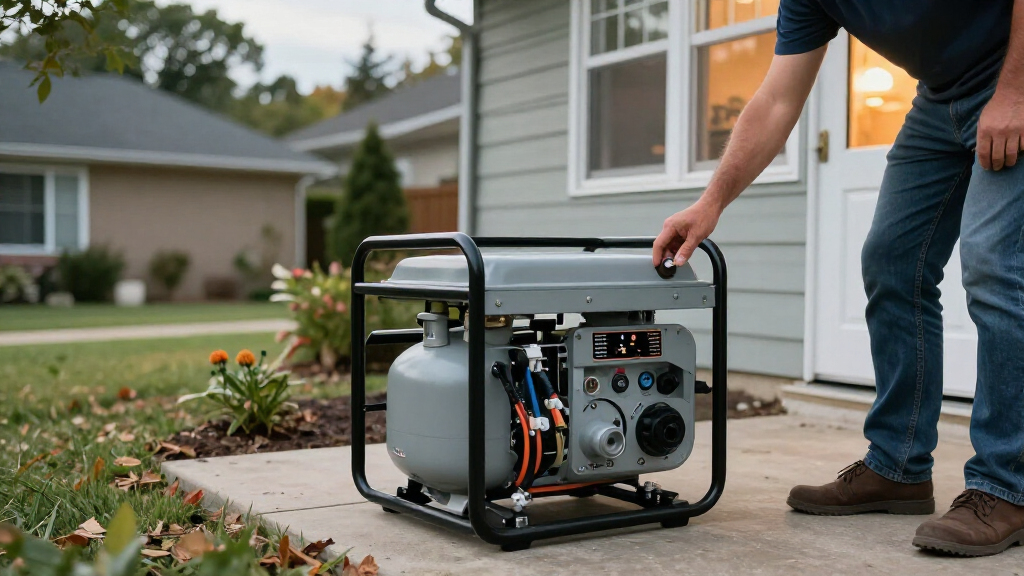
I ranked these options by how well their stated design fits natural-gas home backup, not by wattage alone. The main criteria were whether each model is a fixed standby generator or a portable tri-fuel unit, the stated capacity, whether a transfer switch is included in the listed configuration, and the type of remote monitoring or starting features identified. I also weighed how much setup and user involvement the format implies, since an automatic standby installation and a portable generator connected to a fuel source answer different outage needs.
The Generac 22 kW standby models lead because they offer a middle ground between the smaller 10–14 kW systems and larger 24–26 kW options, with monitoring and, in one listing, a transfer switch. Larger Generac units follow for buyers with heavier loads, while smaller models suit more limited backup plans. The Westinghouse and DuroMax tri-fuel generators are grouped as flexible portable alternatives, with distinctions based on stated output and starting features. Product details provided do not establish installation costs, exact natural-gas output, or home-specific compatibility, so I treat those as questions buyers must confirm with the manufacturer and a qualified installer.
| natural gas standby generator | Fuel types |
|---|---|
| Generac 22kW Whole-Home Standb | — |
| Generac 14 kW Whole-Home Stand | — |
| Westinghouse WGen20000TFc 28,0 | Gasoline, propane, and natural gas |
| Westinghouse WGen14500TFc Tri- | Gasoline, propane, and natural gas |
| Generac 26 kW Whole Home Stand | — |
| Generac 10kW Whole Home Standb | — |
| Generac 24 kW Whole Home Stand | — |
| Westinghouse WGen10500TFc 13,5 | Gasoline, propane (LPG), and natural gas |
| Generac 22 kW Whole Home Stand | — |
| Generac 10 kW Whole Home Stand | — |
| Westinghouse WGen11500TFc Tri- | Gasoline, propane, natural gas |
| Generac 18 kW Whole Home Stand | Natural gas or propane |
| Generac GP9500E Tri-Fuel Porta | Gasoline, liquid propane, natural gas |
| DuroMax XP13000HXT 13,000-Watt | Gasoline, propane, natural gas |
| Generac Guardian 22 kW Home St | Natural gas or LP gas |
Factors to Consider When Choosing Natural Gas Standby Generators
Before choosing a model, I would decide how I want power to return, which circuits matter most, and whether natural gas is a practical fuel source at the property. Those answers shape the right generator category more than a headline wattage figure does.
Choose automatic standby or portable tri-fuel operation
A fixed standby system is built to respond automatically when utility power fails, while a portable unit generally requires someone to position it, connect it, and start it. That difference matters most during overnight outages, severe weather, or periods when nobody is home. Portable tri-fuel models can be appealing if you want to move the generator or retain gasoline and propane options, but natural-gas use still depends on a safe, compatible connection. A common mistake is treating a portable generator as a plug-in substitute for an installed standby system. I would choose by the level of automation and setup responsibility your household can realistically manage, not by fuel choice alone.
Size the generator around backed-up loads
List the circuits and appliances you expect to run together, then account for startup surges from equipment such as air conditioners, pumps, or compressors. A higher nameplate wattage does not automatically mean every appliance can start at once, and the available output can vary by fuel. Ask a qualified electrician or installer to calculate the load and confirm the generator’s natural-gas ratings for the exact model. Buyers often oversize based on whole-home aspirations or undersize by counting only steady running watts. A managed-load plan can sometimes let a smaller system serve more practical needs, while high-demand homes may need a larger unit or a clear priority schedule.
Check natural-gas supply and site requirements before buying
Generator capacity is only useful if the home’s gas service and piping can deliver the required fuel under operating conditions. Have a licensed professional check the meter, line sizing, pressure, distance, and any other gas appliances that may run during an outage. Portable tri-fuel equipment also needs a manufacturer-approved connection and outdoor placement that keeps exhaust away from openings. A frequent purchasing error is assuming that an existing natural-gas connection will support any generator size without modification. Resolve fuel supply and siting questions before selecting a high-capacity model, since those constraints can change the feasible choice.
Compare transfer-switch scope, not just the generator
A transfer switch determines how selected circuits or a home electrical system are connected to generator power, so its presence in a product listing can affect the project scope. The roundup includes Generac configurations both with and without a specified transfer switch, even at similar capacities. Confirm the exact switch model, amperage, supported circuits, and what installation parts or labor are excluded. Do not assume a listed switch covers every circuit or that a larger switch makes a generator capable of powering every load simultaneously. Compare complete installed proposals rather than generator-only listings to avoid gaps between the equipment and the electrical work.
Treat monitoring as a convenience, not a backup plan
Cellular and Wi-Fi monitoring can make it easier to check status or receive information remotely, but the features and communication methods differ by model. Ask what functions work without an internet connection, whether a subscription or coverage is needed, and how alerts are delivered. Remote monitoring cannot correct a fuel-supply issue, maintenance lapse, or undersized system. Buyers sometimes give connectivity more weight than service access and upkeep, even though routine maintenance is part of dependable standby ownership. I would compare monitoring after confirming that the generator’s capacity, transfer arrangement, and local support fit the home.
Account for maintenance, noise, and local rules
Standby and portable generators both require maintenance, but their service schedules and owner responsibilities differ by model. Review the manufacturer’s requirements for exercise cycles, oil and filter changes, inspections, and service access before purchase. Check local rules for placement, noise, permits, exhaust clearances, and fuel-line work; these can affect where a unit may be installed and what the project costs. Portable models are easier to relocate, but their setup still needs safe outdoor operation and secure storage between outages. A buyer who compares only generator output can miss the practical constraints that determine whether the equipment works well at a specific home.
Frequently Asked Questions
Can a portable tri-fuel generator replace an automatic natural-gas standby system?
It can provide backup power using natural gas if the specific model supports that fuel and the home has a compatible, professionally approved connection. It will not provide the same automatic response as a fixed standby generator: a person generally needs to set it up and start it. Portable units also require careful outdoor placement and an appropriate transfer arrangement to power household circuits safely. They make more sense when portability and fuel choice matter more than unattended operation. If outages may happen when nobody is home, compare that limitation against the value of an automatic standby system.
How do I know whether a 10 kW, 14 kW, or 22 kW standby generator is enough?
Start with the circuits you want powered, then account for the starting demand of motors and other equipment that may operate at the same time. The generator’s natural-gas output can differ from its rating on another fuel, so use the exact fuel-specific figures for the model. A professional load calculation can show whether you need a smaller essential-circuit setup, a midrange system, or more capacity. Do not choose by square footage alone; homes with similar floor plans can have very different heating, cooling, and pump loads. Ask about load management if a larger unit seems necessary only to handle a few competing appliances.
Does a Generac listing with a transfer switch include everything needed for installation?
Not necessarily. A bundled transfer switch is a useful starting point, but the listing may not cover every material, electrical modification, permit, gas-line change, or labor charge required at your property. Confirm the exact switch type and which circuits it can support, then request an itemized installation plan. The roundup includes listings with and without a transfer switch specified, so compare the full equipment package rather than assuming similar generator capacities come with the same accessories. A licensed installer can identify site-specific requirements before you commit.
Will my existing natural-gas meter support a large standby generator?
There is no safe assumption that an existing meter and gas line can supply a generator simply because the home already uses natural gas. The required flow depends on generator size, line length and diameter, pressure, and other appliances operating at the same time. Have the gas utility or a qualified gas professional review the setup against the manufacturer’s requirements. If the supply needs an upgrade, that work can affect both the project budget and the practical choice of generator. Confirm fuel capacity before choosing among the 22, 24, and 26 kW options.
When is it worth choosing cellular or Wi-Fi monitoring?
Remote monitoring is most useful when you want to check generator status while away or receive alerts without visiting the unit. Cellular and Wi-Fi systems may rely on different coverage, connectivity, or service arrangements, so verify the exact requirements for the model. Monitoring is less useful if the system cannot communicate reliably at your property or if you expect it to replace scheduled maintenance. It does not add generator capacity or solve a transfer-switch or fuel-supply problem. I would treat it as a convenience feature after the core backup plan is sized and installed correctly.
Conclusion
For most buyers who want fixed, automatic natural-gas backup, I would start with the Generac 22 kW Whole-Home Standby Generator as the best overall balance in this lineup. The best value fit depends on the load: the Generac 10 kW models suit a focused essential-circuit plan, while the 14 kW version offers a step up with a transfer switch specified in its listing. For larger homes or heavier simultaneous demands, compare the Generac 24 kW and 26 kW options after a load calculation; the 26 kW is the best premium-capacity pick here. Beginners seeking a clearer package may prefer a Generac listing that specifies a transfer switch, but should still confirm installation scope with a professional. For buyers who prioritize portable fuel flexibility, the Westinghouse WGen20000TFc is a standout tri-fuel option, while the smaller Westinghouse or DuroMax models may suit more limited backup needs. Choose the format first, verify natural-gas supply and electrical compatibility, and then match capacity to the loads you actually need.
Halloween Picks

12.5-Foot Lighted Halloween Inflatable Archway

12-Foot Inflatable Pumpkin Halloween Archway with LED Lights

JOYIN 5-Foot Halloween Animatronic Drinking Skeleton
As an affiliate, we earn on qualifying purchases.