TL;DR

Get backup power and energy gear delivered free with Prime
- Fast, free delivery on millions of items
- Prime Video, Amazon Music and more included
- Member-only deals all year
A Green Building Advisor report traced an unusually high heat-pump water heater energy use in 2024 and 2025 to at least two factors: increased hot-water demand after a family member moved in and dust that dirtied the unit’s filter and coil during a basement renovation. The author says the available data cannot show how much each factor contributed.
A homeowner’s heat-pump water heater used substantially more electricity in 2024 and 2025, and a review of monthly readings pointed to both greater hot-water demand and dust from a basement renovation as likely contributors. The account, published by Green Building Advisor, says the data cannot establish how much energy use came from each cause.
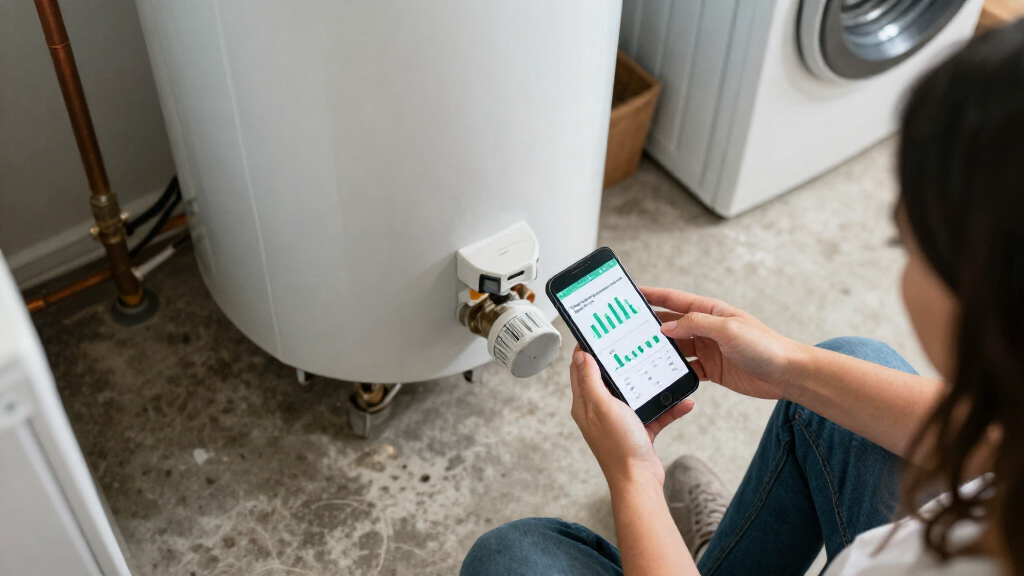
The author tracked the water heater’s electricity use separately from household bills. Annual consumption in 2024 was 89% higher than in 2020, and 2025 was also unusually high. The annual comparison identifies the scale of the increase against 2020, but does not by itself explain why it happened.
The monthly pattern offered clues. The increase began near the end of 2023, before basement remodeling started in February 2024. In August 2023, the author’s stepson moved into the home and stayed for two years; he preferred baths to showers. Consumption returned to its usual range after he moved out at the end of July 2025. The author says the timing supports increased hot-water use as a major factor, but the article does not provide monthly hot-water volume measurements.
Renovation dust may also have reduced the unit’s efficiency. The author said the heat-pump water heater was not always covered or turned off while basement work filled the air with dust and other particulates. Its filter was visibly dirty by January 2025, and the author later cleaned the coil. Monthly energy use fell sharply in July 2025, but the coil cleaning had happened in April, so that timing alone does not show that cleaning caused the drop.
What the Spike Says About Demand
The report illustrates why a higher utility reading should not be attributed to equipment condition alone. A change in household hot-water habits can raise energy use even when the appliance is functioning, while dust and a clogged filter may add a separate efficiency penalty. In this case, the events overlapped, making a single-cause explanation unsupported by the available figures.
For households with heat-pump water heaters, the account points to practical maintenance and monitoring steps: check and clean the filter as needed, keep dust away during renovation, and inspect the coil and other components when dirty. Tracking energy use can flag a change, but electricity readings do not reveal hot-water volume or identify the cause on their own. The report does not quantify the savings from any individual maintenance measure.
Products Worth Considering

Philips Hue Bridge Pro Smart Lighting Hub

eufy Security SoloCam S340 3K Dual-Lens Solar Security Camera

Samsung 48-Inch S90H OLED 4K Smart TV (2026)
As an affiliate, we earn on qualifying purchases.
A Renovation and a Household Change
The author’s baseline data showed fairly regular seasonal variation from 2020 through mid-2023: use was about 60 kilowatt-hours per month in winter and roughly 20 to 30 kWh per month in summer. The rise began late in 2023, around the time the stepson moved in, while the basement renovation followed in February 2024.
The renovation had a second, potentially beneficial effect. Before the winter of 2024–25, the basement was unheated; afterward, the water heater was in fully conditioned space. The author says warmer surrounding air would make a heat-pump water heater more efficient and may have limited winter consumption. The report does not provide a measured estimate of that effect.
“The jolt in energy use those two years actually was caused by both things.”
— Allison A. Bailes III, the report’s author
How Much Each Factor Added
The report does not include monthly measurements of hot-water use, so it cannot separate the energy used for extra baths from energy associated with a dirty filter or coil. It also does not quantify the effect of moving the unit into conditioned space. Although energy use dropped sharply in July 2025, the coil was cleaned in April, and the stepson moved out at the end of July; the account does not isolate the effect of either event.
The findings describe one home and one heat-pump water heater. They do not establish that renovation dust or a change in household demand will produce the same increase in other homes. The report provides no controlled test, independent assessment, or quantified savings estimate for cleaning or covering the unit.
Monitoring and Routine Maintenance
The report’s practical advice is to check the filter regularly, clean it when needed, and clean the coil and other components if they become dirty. During dust-producing work, the author recommends turning off and covering the water heater, following the manufacturer’s instructions for the unit and any relevant safety guidance.
Owners who notice a change can compare bills or monitor the appliance over time, while also noting changes in household size, bathing habits, and the room where the unit operates. Those observations can help identify possible explanations, but a clear diagnosis may require hot-water-use data or inspection of the appliance. The article reports that this home’s energy use had returned to normal; it does not announce a further test or quantified follow-up.
Key Questions
What caused the reported water heater energy increase?
The author identified increased hot-water demand after a family member moved in and dust on the filter and coil during a basement renovation as likely contributors. The available data do not show how much each added.
Did the dirty filter alone cause the higher use?
No. The rise began before the renovation, when the filter and coil became dirty, and the author linked that earlier timing to a household change. The report says both factors likely played a role.
How much did energy use rise?
In the reported home, annual heat-pump water heater consumption in 2024 was 89% higher than in 2020. The article also describes 2025 as abnormally high, without giving a separate percentage comparison for that year in the supplied account.
What can owners do during a renovation?
The author recommends turning off and covering the unit during dusty work, then checking the filter and coil for dirt. Owners should follow the manufacturer’s instructions and use appropriate safety precautions when inspecting or cleaning equipment.
Can an electricity monitor identify the cause?
Monitoring can show when consumption changes, but electricity data alone do not identify whether the cause is greater hot-water use, dirty components, or other conditions. The report says monthly hot-water-use data would be needed to separate the main factors in this case.
Source: greenbuildingadvisor.com