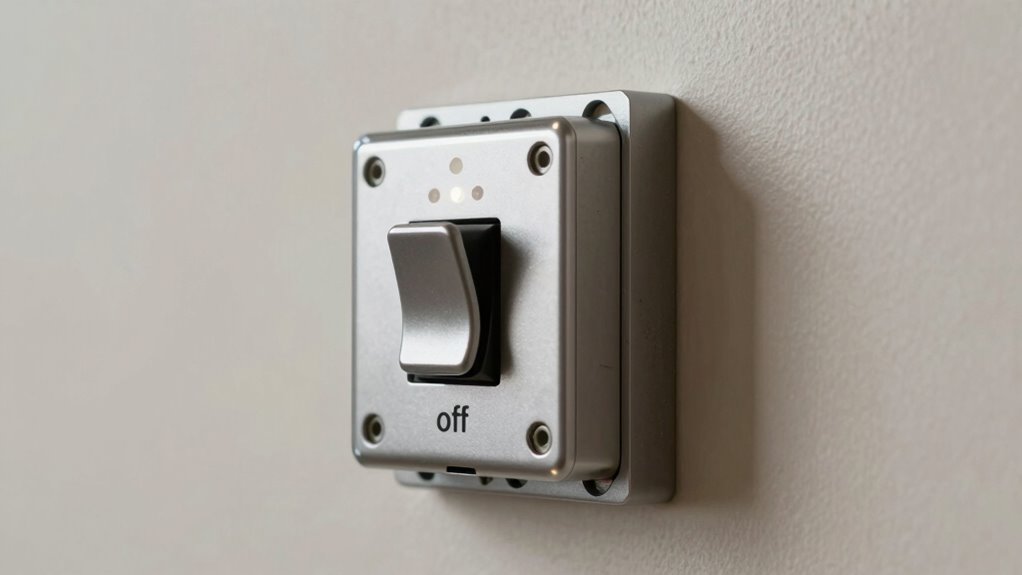

To tell if the transfer switch is the real problem, start by visually inspecting it for damage, corrosion, or loose connections. Use a multimeter to check if it receives proper signals from the generator and guarantees correct electrical flow. Listen for unusual sounds or signs of internal failure. If you notice inconsistent operation or stuck positions, it’s likely the switch. Continuing to explore these signs will help you identify if it’s time for professional help or replacement.
Key Takeaways
- Use a multimeter to verify proper voltage and signal flow from the transfer switch during operation.
- Check for physical damage, corrosion, or loose connections on the transfer switch.
- Observe if the switch is stuck or making unusual noises during transfer attempts.
- Confirm the generator communicates correctly with the switch, indicating proper signal reception.
- If repairs don’t resolve issues, consider professional diagnostics or switch replacement.
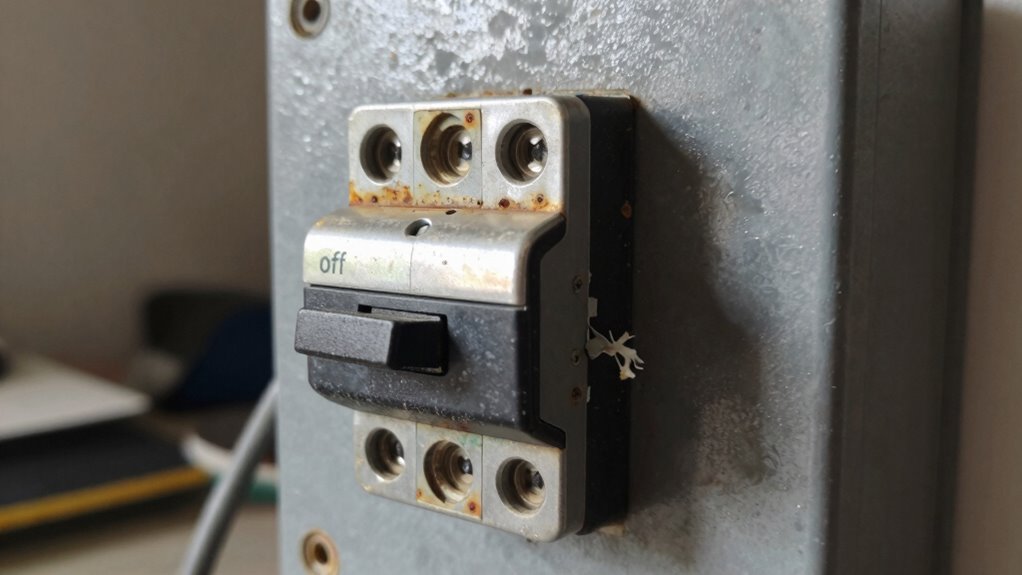
If your backup generator isn’t switching on or your home’s power isn’t transferring correctly, the problem might lie with your transfer switch. This device plays a vital role in guaranteeing your generator kicks in seamlessly during a power outage, so any malfunction can leave you vulnerable to losing power unexpectedly. To determine if the transfer switch is truly at fault, start by inspecting it for obvious signs of damage, corrosion, or loose connections. Sometimes, a simple visual check can reveal worn-out parts or corrosion that impede proper function. Remember, electrical safety is paramount, so always turn off the main power before inspecting or attempting any repairs.
Next, consider the significance of routine generator maintenance. If your generator hasn’t been serviced regularly, it might not produce enough power or could have internal issues affecting its ability to communicate with the transfer switch. When your generator isn’t functioning properly, even a perfectly good transfer switch won’t work as intended. Regular generator maintenance, including checking fuel levels, testing starting mechanisms, and inspecting internal components, ensures the system is ready to perform when needed. If your generator runs smoothly during maintenance checks but still doesn’t kick in during an outage, the transfer switch could be the culprit. Recognizing the importance of proper system diagnostics can help prevent unnecessary replacements and ensure your entire backup power setup functions correctly. Additionally, understanding the electrical connections within your system can help you troubleshoot potential wiring issues more effectively. Moreover, familiarizing yourself with the transfer switch operation can help you identify signs of failure early, saving time and money.
Regular generator maintenance ensures reliable power transfer and prevents issues with the transfer switch during outages.
You should also verify whether the transfer switch is receiving the correct signals from your generator. If the switch isn’t recognizing that the generator is ready to supply power, it won’t transfer the load from utility to backup power. This can happen if there’s a wiring issue, a blown fuse, or faulty control circuitry within the switch. Use a multimeter to test voltage levels and confirm power flow. If the readings are off or inconsistent, it’s a sign that the transfer switch isn’t functioning properly or needs replacement. Additionally, understanding the role of contrast ratio in your setup can help diagnose if the transfer switch’s failure is affecting the overall system performance. Moreover, inspecting for UV filters or other protective features can help ensure the switch’s components aren’t degraded by environmental factors.
Finally, listen for unusual sounds or observe if the switch is stuck in one position, which can indicate internal mechanical failure. Sometimes, the switch may attempt to operate but get stuck due to debris, corrosion, or worn components. If cleaning or minor adjustments don’t resolve the issue, replacing the transfer switch might be necessary. Always prioritize electrical safety, and if you’re unsure, consult a professional electrician who can conduct thorough diagnostics. Ultimately, understanding how your transfer switch operates, performing regular generator maintenance, and adhering to electrical safety practices will help you identify whether this device is the root of your power transfer problems.
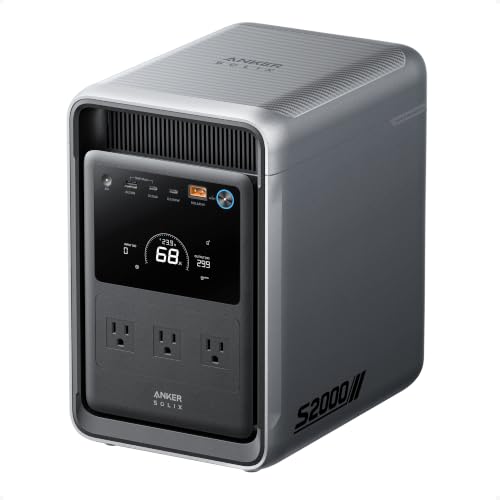
Anker SOLIX S2000 Portable Power Station, 2,010Wh, 1,500W, Home Backup, UPS
- Up to 35-Hour Fridge Backup: With 6W idle power draw...
- 10,000-Cycle LFP Battery: Powered by 314Ah LFP cells,...
- Smallest and Lightest 2kWh Power Station: 30% smaller and 25% lighter...
As an affiliate, we earn on qualifying purchases.
Frequently Asked Questions
Can a Transfer Switch Cause Power Outages Without Failing?
A transfer switch can cause power outages without failing if it’s improperly installed or wired, leading to electrical issues. Sometimes, the switch might be functioning technically but isn’t compatible with your system, causing intermittent outages. Also, a transfer switch that’s not maintained or has loose connections can trigger power outages. So, even if it doesn’t fail outright, it could still be the culprit behind your power problems.
How Often Should Transfer Switches Be Inspected or Maintained?
Back in the day, even old-timey switchboards needed attention, and transfer switches are no different. You should follow a regular maintenance schedule, inspecting your transfer switch at least once a year. Inspection frequency depends on usage and environment—more in harsh conditions. Regular checks help prevent unexpected failures. Keep an eye out for corrosion, loose connections, or wear, ensuring your system stays reliable when you need it most.
Are There Specific Signs Indicating a Transfer Switch Needs Replacement?
You’ll notice signs like frequent failure to switch, burning smells, or corrosion, indicating your transfer switch’s lifespan has ended. Replacement indicators include persistent malfunctions despite maintenance and visible damage. If your switch is over 10-15 years old, it’s wise to think about replacement, as aging components may no longer operate reliably. Addressing these signs early ensures your system stays protected, preventing potential power outages or safety hazards.
What Are Common Mistakes When Troubleshooting Transfer Switch Issues?
Did you know that improper installation causes nearly 30% of transfer switch failures? When troubleshooting, you might make mistakes like misreading wiring diagrams or rushing through installation, leading to wiring issues. Always double-check connections, verify the switch is compatible with your system, and follow manufacturer instructions carefully. Avoid installation errors by consulting a professional if unsure. Proper troubleshooting prevents unnecessary repairs and keeps your system running smoothly.
Does a Transfer Switch Impact the Overall Electrical System Safety?
Yes, a transfer switch impacts your overall electrical safety. It guarantees safe switching between utility power and backup generators, preventing back-feeding that could harm utility workers or damage your system. When functioning correctly, it protects you by isolating different power sources. Regular maintenance and proper installation are essential to keep your transfer switch reliable, maintaining high electrical safety standards and avoiding dangerous electrical faults.
Conclusion
In the end, don’t jump to conclusions too quickly. If your transfer switch isn’t working right, it might be a sign of something else, like wiring issues or a faulty generator. Take the time to troubleshoot carefully before replacing parts. Remember, you don’t want to throw good money after bad. Sometimes, it’s best to call in a professional to get to the root of the problem — otherwise, you might be barking up the wrong tree.

ECO-WORTHY Powermega 48V 314Ah LiFePO4 Energy Storage System with Liber 10KP 10kW Hybrid Inverter, Active Balancing BMS, Battery Built-in Bluetooth&WiFi, Communication for Home Backup, Off-Grid
- High-Capacity Home Energy Storage: This system pairs a 10kW...
- Smart Battery Communication & WiFi Monitoring: The 48V 314Ah battery supports...
- Robust BMS with Built-In Breaker: The 48V battery is equipped...
As an affiliate, we earn on qualifying purchases.

Anker SOLIX F3800 Plus Portable Power Station and Home Power Panel, 3,840Wh
- The F3800 Plus Power Station and Home Power...
- Power More Appliances Simultaneously: F3800 Plus offers a massive...
- Works with Solar and pure sinus Generators: Connect solar panels or gas...
As an affiliate, we earn on qualifying purchases.