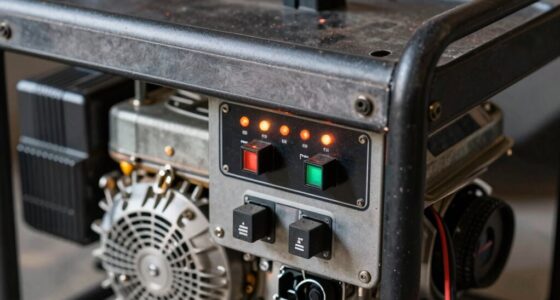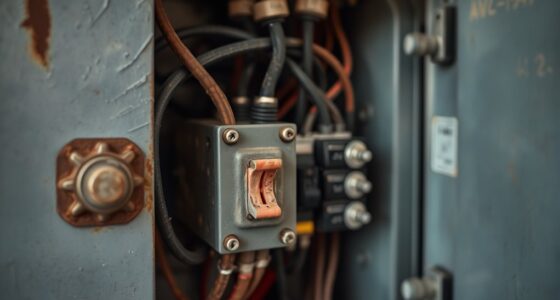

Overcrank faults happen when your engine has trouble starting or stalls unexpectedly. A common cause is worn or fouled spark plugs that weaken the spark needed for ignition. Using the wrong or thick engine oil can also strain the starter motor and cause slow cranking. Electrical issues, like a weak battery, play a part too. To keep your engine running smoothly and prevent these problems, understanding these causes is key—you’ll discover more as you explore further.

Get backup power and energy gear delivered free — and shop member deals
- Fast, free delivery on millions of items
- Access to Prime Big Deal Days deals on October 6–7
- Prime Video, Amazon Music and more included
Key Takeaways
- Proper spark plug maintenance, including cleaning and replacement, is essential to prevent weak sparks causing overcrank faults.
- Using the correct engine oil reduces internal resistance and strain on the starter motor, aiding easier engine starts.
- Regular system diagnostics help identify battery or starter issues before they lead to prolonged cranking problems.
- Fouled or worn spark plugs and improper oil choices are common causes of overcrank faults in vehicles.
- Routine inspections and proactive maintenance ensure smoother starts and prevent the vehicle from being stranded due to overcranking.
Key Causes of Overcrank Faults
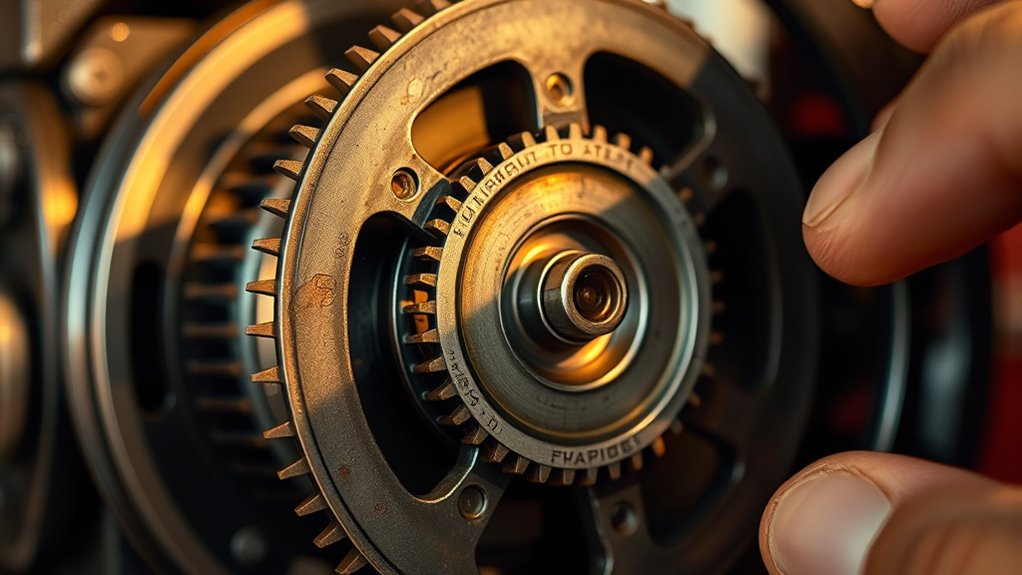
If your engine struggles to start or stalls unexpectedly, you might be dealing with an overcrank fault. This issue occurs when the engine keeps trying to turn over but fails to fire properly, often leading to prolonged cranking and frustration. One common cause behind this problem is inadequate spark plug maintenance. Spark plugs are essential for igniting the fuel-air mixture inside your engine’s cylinders, and over time, they can become fouled or worn out. If your spark plugs aren’t clean or are at the end of their lifespan, they won’t produce a strong enough spark, causing misfires or failure to ignite altogether. Regularly inspecting and replacing spark plugs ensures reliable ignition, preventing the engine from overcranking due to weak sparks.
Another factor that contributes to overcrank faults is the choice of engine oil types. Using the right engine oil is vital for smooth engine operation. Different engines require specific oil viscosities and formulations, and neglecting this can result in increased internal resistance, making it harder for the engine to turn over. For example, using a thicker oil than recommended can cause additional strain on the starter motor, leading to extended cranking times or failure to start. Conversely, low-quality or incorrect engine oils can break down faster, causing sludge buildup or poor lubrication, which hampers engine movement. Always refer to your vehicle owner’s manual to select the appropriate engine oil type, guaranteeing your engine turns over smoothly without unnecessary stress on the starter system.
Additionally, understanding the importance of system diagnostics can help identify underlying issues that contribute to overcrank faults, such as battery health or starter motor problems. If you’re troubleshooting overcrank faults, don’t overlook the importance of routine spark plug maintenance and proper engine oil selection. Keeping spark plugs clean, properly gapped, and replaced as needed guarantees reliable ignition, reducing the chances of extended cranking or stalls. Meanwhile, choosing the right engine oil type minimizes internal friction and ensures that your engine parts move freely, decreasing the load on the starter motor. These simple steps can greatly improve your starting reliability, especially as your vehicle ages or if you notice frequent starting issues. Remember, neglecting these basic maintenance tasks doesn’t just affect performance; it can lead to overcrank faults that leave you stranded. Stay proactive about these aspects, and your engine will start more readily and run more smoothly, saving you time, money, and frustration in the long run.
Frequently Asked Questions
Can Overcrank Faults Damage the Engine Permanently?
Yes, overcrank faults can cause permanent engine damage. When your starter engages repeatedly without starting the engine, it strains the starter motor and battery health. This excessive cranking can overheat components, leading to worn-out parts or even seized engines. To avoid this, make certain of proper starter engagement and maintain your battery health. If you notice prolonged cranking, get your vehicle checked promptly to prevent costly damage.
How Can I Prevent Overcrank Faults During Startup?
To prevent overcrank faults during startup, you should regularly check your starter wiring for loose or corroded connections and verify it’s in good condition. Keep your battery health in top shape by charging it properly and replacing it when needed. Also, avoid repeatedly cranking the engine, as this puts stress on the starter and wiring, increasing the risk of faults. Proper maintenance helps your engine start smoothly every time.
Are Certain Engine Types More Prone to Overcrank Faults?
Think of engine types as different musical instruments—some are more prone to overcrank faults. Certain engine designs, especially older or high-compression models, have complex fault diagnosis needs, making them more susceptible. You’ll find that engines with intricate design features require extra care during startup. Recognizing these tendencies helps you troubleshoot quickly and prevent overcrank faults, ensuring smoother starts and less frustration.
Does Temperature Affect Overcrank Fault Likelihood?
Temperature effects can considerably influence overcrank fault likelihood. When it’s cold, your engine oil thickens, making it harder for the starter to turn the engine, which raises the risk of overcrank faults. Conversely, hot temperatures can cause components to expand, impacting engine reliability. You should regularly check your battery and starter system, especially during extreme temperatures, to reduce the chances of overcrank issues and guarantee your engine runs smoothly.
What Safety Precautions Should I Take When Troubleshooting?
Picture yourself in a dimly lit garage, focusing on the ignition system. You should wear gloves and eye protection to shield against sparks or battery acid. Before troubleshooting, disconnect the battery to prevent accidental sparks and guarantee your tools are insulated. Always check your battery health first, as a weak battery can cause overcrank faults. Stay cautious, work in a well-ventilated area, and avoid touching moving parts to stay safe.
Conclusion
Understanding overcrank faults isn’t just about fixing a problem—it’s about mastering the rhythm of your equipment. When you recognize the key causes, you’re not just avoiding breakdowns; you’re tuning into the heartbeat of your machinery. Remember, neglecting these faults is like ignoring the warning signs of a storm approaching. Stay vigilant, keep learning, and you’ll keep your operations running smoothly, proving that in the dance of mechanics, knowledge truly leads to harmony.
Fall Picks
fall essentials
As an affiliate, we earn on qualifying purchases.