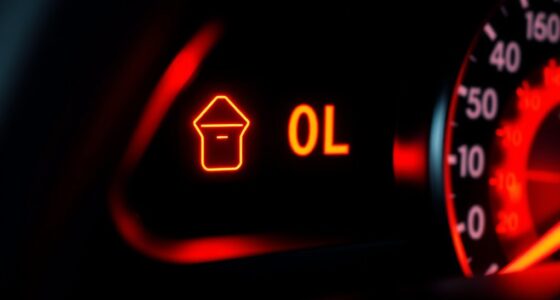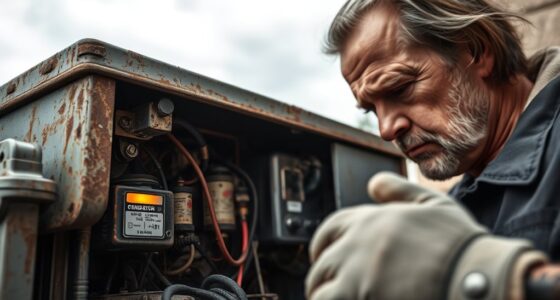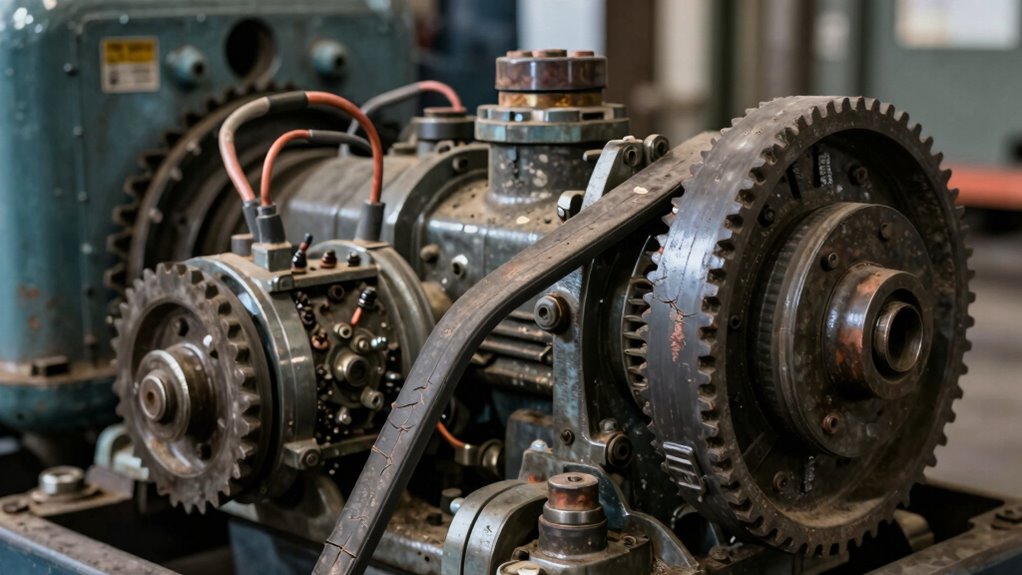

Generator exercise cycles can fail if you neglect regular maintenance and inspections, leading to issues like worn belts, dirty filters, or weak batteries. Contaminated or old fuel stored improperly can clog fuel lines and reduce performance. Without proper fuel testing and management, your generator may not run reliably when needed most. Addressing these problems early helps keep your system ready. Keep going to discover more ways to guarantee your generator stays dependable.

Get backup power and energy gear delivered free with Prime
- Fast, free delivery on millions of items
- Prime Video, Amazon Music and more included
- Member-only deals all year
Key Takeaways
- Inadequate routine maintenance leads to component wear and system malfunctions during exercise cycles.
- Poor fuel quality or contaminated fuel causes incomplete combustion and engine performance issues.
- Delayed or missed inspections prevent early detection of issues, increasing the risk of exercise cycle failures.
- Faulty or degraded batteries and belts can disrupt generator operation during scheduled tests.
- Improper storage and handling of fuel result in clogging and fuel system blockages, hindering exercise cycles.
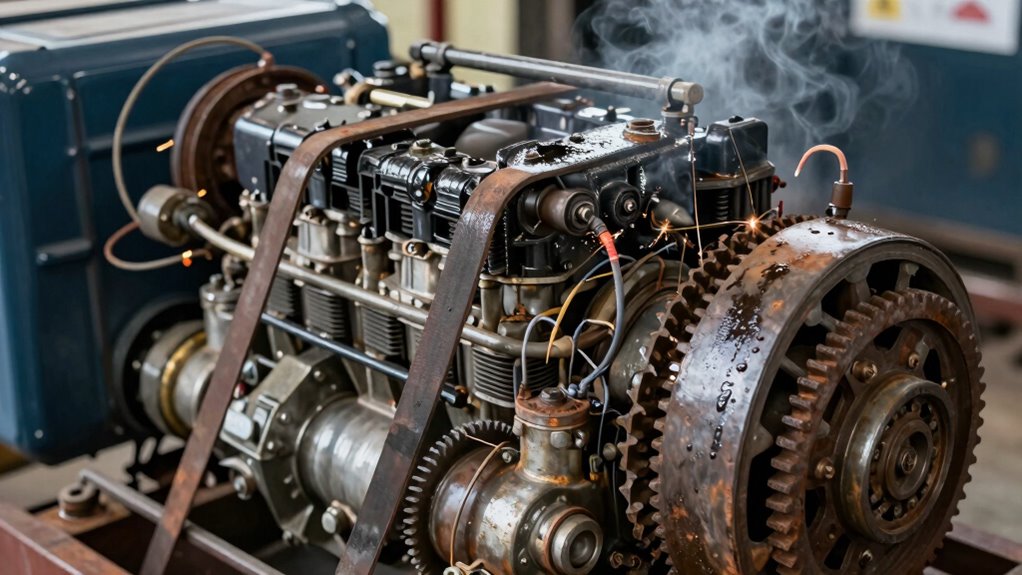
Generator exercise cycles are essential for guaranteeing backup power systems remain functional when needed, but lately, many facilities have reported failures in these routines. When these cycles don’t run as scheduled or malfunction altogether, it puts your entire emergency preparedness at risk. One common reason for such failures lies in poor maintenance scheduling. If you neglect routine checks or delay servicing, components can degrade, leading to unexpected breakdowns. Regular maintenance isn’t just about fixing issues; it’s about preventing them. When you stick to a consistent schedule, you give your generators the best chance to operate smoothly during an actual outage. Without it, parts like belts, filters, and batteries can falter, causing the exercise cycle to fail at critical moments. Proper maintenance scheduling ensures that all critical components are inspected and serviced at appropriate intervals, reducing the risk of failure. Fuel efficiency plays a vital role in the dependability of these cycles, too. Gasoline or diesel fuels can deteriorate over time, especially if storage conditions aren’t ideal. If fuel isn’t fresh or properly stored, it can clog fuel lines or cause incomplete combustion, which hampers generator performance. When your generator struggles with fuel issues, the exercise cycle may not complete successfully, leaving you with a system that’s not fully tested or ready. Additionally, inefficient fuel use can lead to increased operational costs, making it harder to justify regular testing and maintenance. Regular fuel testing and fuel quality control procedures are crucial for ensuring optimal performance. To avoid this, you need to monitor fuel quality diligently and implement procedures for fuel management. This includes regular fuel testing, cleaning, and replenishing to guarantee the generator’s internal components stay clean and functional. Maintaining proper fuel storage conditions is also critical to prevent fuel degradation and contamination. Implementing preventive maintenance practices can further enhance generator reliability by addressing potential issues before they lead to failure. Moreover, understanding the importance of routine inspections can significantly enhance the reliability of your generator exercise cycles, preventing costly failures.
Frequently Asked Questions
How Often Should Generator Exercise Cycles Be Performed?
You should perform generator exercise cycles monthly to guarantee peak fuel efficiency and reliability. Regular exercise helps identify potential issues early, reducing costly repairs. Incorporate these cycles into your maintenance scheduling to keep your generator in top shape. Consistent testing prevents stagnation, maintains performance, and extends the lifespan of your equipment. Skipping exercises can lead to unexpected failures, so make this routine a crucial part of your overall maintenance plan.
Can Weather Conditions Affect Generator Exercise Performance?
Weather impact and environmental factors definitely influence your generator’s exercise performance. Extreme temperatures, high humidity, or heavy rain can cause strain or delays in operation. Cold weather might make starting difficult, while heat can lead to overheating. Storms or dust can clog filters or damage components. To keep your generator running smoothly, regularly inspect it and consider environmental conditions, adjusting your maintenance routine based on weather to prevent exercise failures.
What Are Signs of a Failing Generator Exercise Cycle?
One in five generator exercises reveal signs of failure. You might notice longer startup times, unusual noises, or inconsistent power output, indicating possible component wear. Regular generator maintenance helps spot these issues early, preventing unexpected failures. If your cycle isn’t completing smoothly or shows irregularities, it’s a sign you need to check your system’s components and schedule maintenance to guarantee reliable operation.
Do All Generator Types Require Regular Exercise Cycles?
Not all generator types require regular exercise cycles, but most benefit from consistent generator maintenance and exercise scheduling to guarantee reliability. You should follow the manufacturer’s recommendations, as some generators, like standby units, need periodic exercise to prevent issues. Regular exercise helps keep components lubricated and functioning properly. Skipping scheduled exercises can lead to failures, so you should develop a maintenance routine tailored to your generator’s type and usage.
How Long Should a Typical Generator Exercise Cycle Last?
A typical generator exercise cycle lasts about 30 minutes, like a brisk walk through a well-maintained garden. During this time, it consumes minimal fuel, ensuring efficiency. Regular exercise keeps parts moving smoothly, aligning with your maintenance schedules. Skipping or rushing through cycles can cause strain, much like neglecting a garden’s needs, leading to potential failures. Consistent, properly timed exercises keep your generator humming reliably.
Conclusion
Despite your efforts, generator exercise cycles sometimes fail, much like a well-oiled machine suddenly sputters to a halt. You’re prepared to power your routines, yet unexpected glitches remind you that even the strongest systems can falter. It’s a stark contrast—your dedication versus the unpredictable nature of technology. So, stay vigilant, troubleshoot proactively, and remember that resilience isn’t just about flawless execution but about how you respond when things don’t go as planned.
Columbus Day / Indigenous Peoples' Day Picks
long weekend sales
As an affiliate, we earn on qualifying purchases.