Generator interlock kits are a budget-friendly, simple solution that prevent both the generator and utility breakers from operating at the same time, reducing backfeed risks. Transfer switches are more expensive and typically installed by professionals, offering safer, more convenient power switching and better protection for utility workers. Your choice depends on your budget and safety needs. Want to understand the benefits, drawbacks, and installation tips to make an informed decision? Keep exploring to learn more.
Key Takeaways
- Interlock kits are simple, cost-effective, DIY-friendly solutions that prevent simultaneous generator and utility breaker operation.
- Transfer switches offer safer, more convenient manual or automatic switching with professional installation, but at higher upfront costs.
- Both methods prevent backfeeding into the grid, reducing safety risks for utility workers and electrical systems.
- Interlock kits are suitable for budget-conscious homeowners with basic electrical knowledge; transfer switches are better for safety and ease.
- Proper installation and adherence to electrical codes are essential, especially for transfer switches, to ensure safety and compliance.
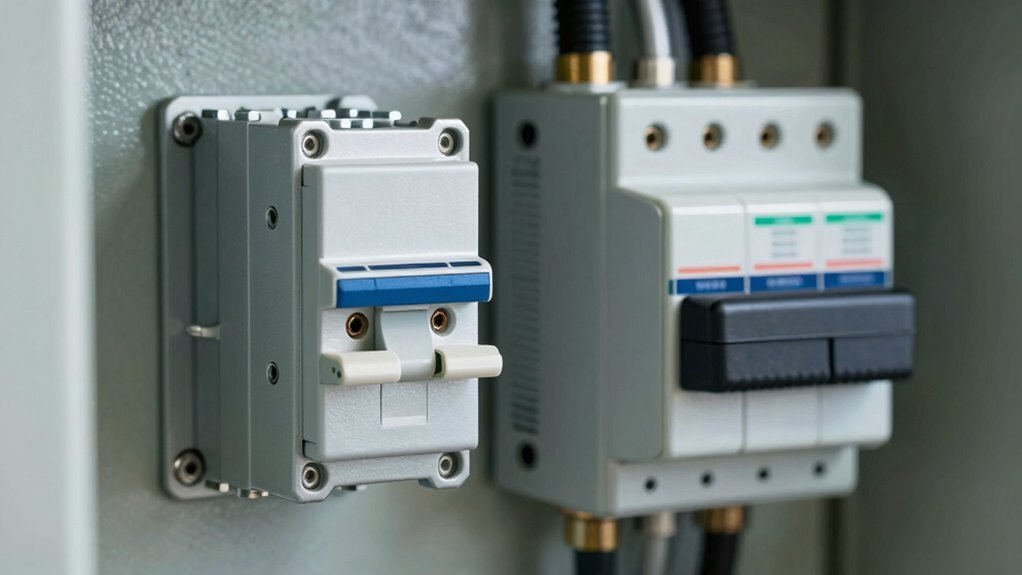
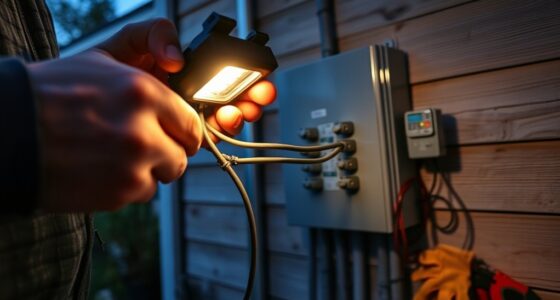
Generator interlock kits are simple, cost-effective devices that you install directly onto your main electrical panel. They work by physically preventing the generator breaker and utility breaker from being on at the same time, reducing the risk of backfeeding electricity into the grid. This makes them a popular choice for DIY enthusiasts or homeowners looking for a straightforward solution. When it comes to the installation process, interlock kits are relatively easy to set up. You just need to turn off the main power, follow the manufacturer’s instructions to mount the kit, and ensure it’s correctly aligned. Since they don’t require complex wiring, most homeowners can handle the installation with basic electrical knowledge, but professional assistance is always recommended to guarantee safety and compliance with local codes. Additionally, understanding home electrical systems is important to ensure proper installation and safety. Proper installation also involves understanding electrical panel components, which can help prevent potential hazards during setup. Being aware of safety precautions can further reduce risks during installation and operation. Being familiar with potential hazards related to electrical work can help you identify issues early and prevent accidents. A thorough understanding of electrical codes is essential to ensure your setup meets all safety standards and legal requirements.
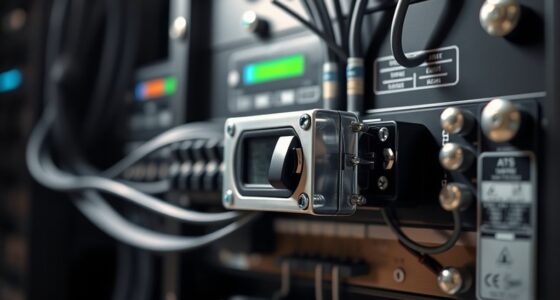
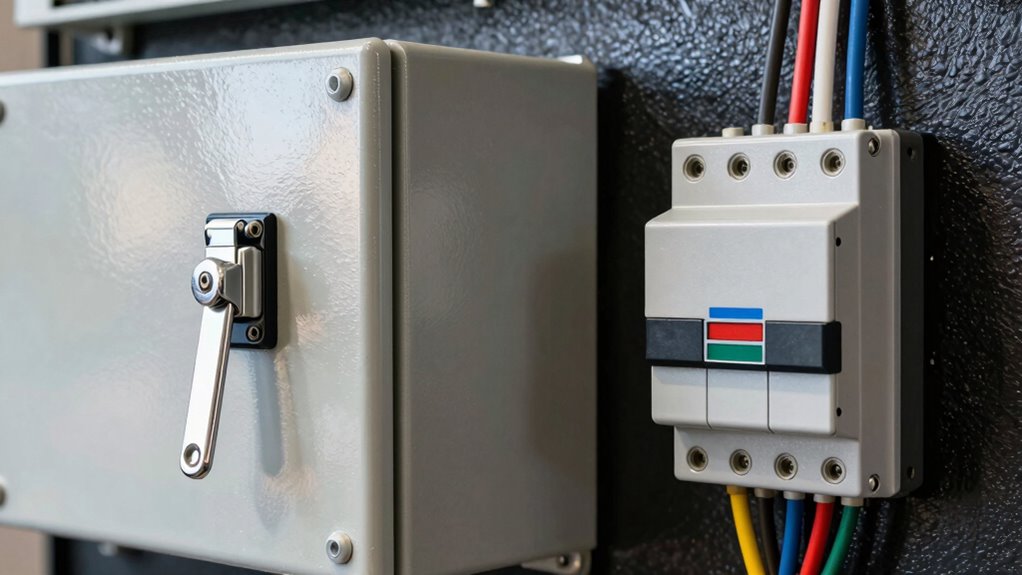
Transfer switches, on the other hand, provide a more sophisticated and safer way to manage your backup power. They work by isolating your home’s circuits from the utility grid and switching power sources seamlessly between the main supply and your generator. This setup minimizes the risk of backfeeding, which can be deadly to utility workers and damage your equipment. The installation process for transfer switches is more involved. It usually requires a professional electrician because it involves wiring the switch to specific circuits and connecting it to your generator. This ensures that power is distributed properly and safely to critical appliances and outlets. Although it’s more complex and costly upfront, a transfer switch offers a higher level of home safety and convenience, especially if you anticipate frequent power outages or have sensitive electronics. Proper installation and regular maintenance are also important to keep these systems functioning optimally over time.
Ultimately, your choice depends on your budget, technical comfort, and safety considerations. Both solutions are effective, but transfer switches tend to be safer and more convenient once installed. Generator interlock kits are a budget-friendly alternative that still offers reliable backup power, provided you follow proper installation procedures. Whichever you choose, prioritize safety and ensure the installation complies with local electrical codes. Proper setup not only guarantees your home’s safety but also ensures your generator provides power when you need it most, without risking harm to you or utility workers.
Top picks for "truth about generator"
Open Amazon search results for this keyword.
As an affiliate, we earn on qualifying purchases.
Frequently Asked Questions
Are Interlock Kits Legal in All States?
Generator interlock kits are not legal in all states due to varying legal restrictions and state regulations. You need to verify your local building codes and electrical codes before installing one. Some states explicitly permit them because they’re a cost-effective and simple solution, while others restrict or prohibit their use. Always consult a licensed electrician or local authorities to ensure compliance and avoid potential legal issues.
Which Option Is More Cost-Effective Long-Term?
A generator interlock kit is more cost-effective long-term because it has lower initial costs and simpler installation. While transfer switches offer added convenience, they can require more maintenance and repairs over time, increasing expenses. The cost comparison favors interlock kits if you’re looking to save money, especially since they typically need less upkeep. Consider your specific needs and budget to choose the best option for long-term savings.
Can I Install These Systems Myself?
You can attempt a DIY safety project, but installing generator interlock kits or transfer switches isn’t a walk in the park. The installation complexity varies, and mistakes can be dangerous or costly. If you’re not experienced with electrical work, it’s best to hire a professional. Proper installation guarantees safety and code compliance, preventing hazards during power outages. Don’t let DIY safety turn into a risky adventure—know your limits and consult experts.
Do Generator Interlock Kits Require Professional Inspection?
Generator interlock kits typically don’t require a professional inspection if you follow the manufacturer’s installation instructions carefully. However, for installation safety and regulatory compliance, it’s wise to have a licensed electrician review your setup. They can guarantee everything meets local codes and safety standards, reducing risks during power outages. Always prioritize proper installation practices, whether DIY or professional, to assure your system operates safely and reliably.
How Quickly Can Each System Be Installed?
Installing either system is like assembling a puzzle—quick if you’re experienced. Interlock kits usually take less time, often a few hours, thanks to their simpler setup, while transfer switches might need a bit more effort, possibly a day. When considering installation speed and cost comparison, interlock kits tend to be more budget-friendly and faster to install, making them ideal if you want a quick, cost-effective solution.
Conclusion
Choosing between a generator interlock kit and a transfer switch is like picking between a trusty bicycle and a sleek motorcycle—you want reliability and safety, but also ease of use. I once saw a homeowner struggle with a makeshift setup that nearly caused a blackout, reminding me how proper equipment can be the difference between a smooth power backup and chaos. Invest wisely, and you’ll keep your home powered safely, no matter what.