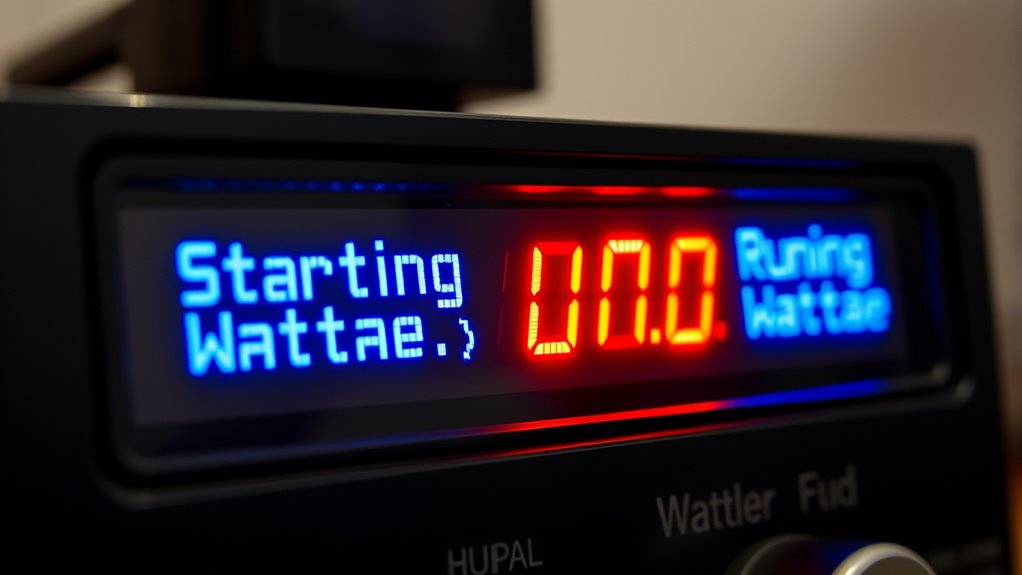

Starting wattage, also called surge wattage, is the extra power your device needs when it first turns on, while running wattage is the continuous power required for normal operation. Motor devices often need two to three times their running wattage at startup, so knowing both helps you choose the right equipment. Ignoring this difference can cause overloads or damage. Keep exploring to understand how these wattages impact your appliances and generator choices.
Open a free Amazon Business account
Business pricing, bulk buying and tax-exempt orders.
As an affiliate, we earn on qualifying purchases.
Key Takeaways
- Starting wattage, or surge wattage, is the extra power needed when an appliance first turns on, higher than its normal running wattage.
- Running wattage is the continuous power required for an appliance to operate normally after startup.
- Motors and devices often require 2-3 times their running wattage during startup due to initial surge.
- Properly matching generator capacity involves considering both starting and running wattages to prevent overloads.
- Ignoring startup wattage can lead to appliance damage, generator failure, or power interruptions during startup.
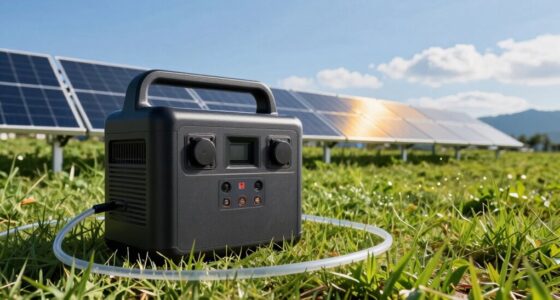
When choosing a generator or understanding electrical appliances, it’s important to know the difference between starting wattage and running wattage. This distinction can prevent overloads, protect your devices, and guarantee smooth operation. Starting wattage, also called surge wattage, refers to the extra power needed when an appliance first turns on. Many devices, especially those with motors, require a power surge at startup to overcome inertia and get moving. For example, a refrigerator’s compressor or a power tool’s motor may demand markedly more energy momentarily. If your generator isn’t rated to handle this initial surge, your appliance could fail to start or cause the generator to trip.
Motor startup, in particular, exemplifies why understanding wattage differences matters. When a motor begins to run, it draws a surge of power that can be two to three times its normal running wattage. If your generator only supplies the running wattage, it might not provide enough power during this critical startup phase, leading to a power surge that can either damage the appliance or cause the generator to shut down. That’s why it’s vital to choose a generator with a higher starting wattage capacity than the appliances you plan to run. For appliances with motors, always check the manufacturer’s specifications for both the starting and running wattages.
Motor startup can draw two to three times the running wattage, so always check both ratings for your appliances.
Knowing the difference also helps you avoid overloading your system. If you only consider the running wattage, you might underestimate the power needed, especially during startup. This oversight can result in frequent power surges that stress your appliances and the generator. For instance, powering a sump pump or an air conditioner without accounting for their startup wattage can lead to interruptions or damage. To prevent this, add the appliance’s starting wattage to your total power calculations, guaranteeing your generator can handle the initial power surge comfortably.
Understanding energy efficiency and the operational characteristics of devices like heat pumps and other appliances can also help in selecting the right equipment and avoiding unnecessary power surges. In essence, understanding the distinction between starting wattage and running wattage empowers you to select the right generator and protect your appliances. Recognize that motor startup requires a temporary increase in power, and planning for this surge is essential. By doing so, you’ll avoid potential power surges that can harm your equipment, reduce wear and tear on your generator, and maintain a steady, reliable power supply. Whether you’re preparing for an outage or running equipment on a job site, knowing these differences helps you make smarter, safer choices.
Frequently Asked Questions
How Do I Determine the Right Wattage for My Specific Appliance?
To find the right wattage for your appliance, start with a power calculation by checking its label or manual for starting and running wattages. Make certain your power source can handle the starting wattage, which is usually higher. Consider appliance compatibility by selecting an inverter or generator that exceeds the startup wattage to prevent overloads. This way, you’ll choose a power supply that safely supports your appliance’s needs.
Can a Device Operate Safely if the Wattage Ratings Are Mismatched?
You shouldn’t operate a device with mismatched wattage ratings, as it can lead to power surges and voltage fluctuations that damage your appliance or pose safety hazards. When wattage is too low, the device may strain, causing overheating or failure. Always verify your device’s wattage matches the recommended ratings, and use proper surge protectors to safeguard against unexpected power fluctuations that could harm your equipment.
What Are Common Mistakes to Avoid When Choosing Wattage?
You’ll regret ignoring wattage mismatches, risking a power surge that could fry your devices or cause overload protection to kick in unexpectedly. Always avoid underestimating your device’s starting and running wattage; mismatched wattage can lead to catastrophic failures. Double-check ratings, don’t assume compatibility, and confirm your power supply can handle the peak load. Staying vigilant prevents costly damage and keeps your equipment safe and running smoothly.
How Does Wattage Affect the Lifespan of Electronic Devices?
Wattage influences your devices’ lifespan because power fluctuations can cause stress on their components. When you use equipment with the right wattage, you help maintain consistent power, reducing wear and tear. Proper wattage selection improves appliance longevity by preventing overheating or underperformance. Avoid overloading circuits or using incompatible power sources, as these issues accelerate aging. Ultimately, choosing the correct wattage safeguards your electronic devices and extends their useful life.
Are There Any Safety Tips for Handling High Starting Wattage Appliances?
When handling high starting wattage appliances, you should always use surge protection to prevent voltage spikes that could damage your device or pose safety risks. Make sure the circuit can handle the initial surge without tripping. Keep the appliance away from water, and unplug it when not in use. Regularly inspect cords and connections for wear to guarantee proper appliance safety and avoid electrical hazards.

Porch Shield Generator Cover for 5500-15000W, 38 x 28 x 30 inch, Black
- Compatible - More sizes for 5500w -15000w gas...
- Upgrade Material - Made of 600D polyester fabric...
- Tear Resistant & Waterproof - The high-level double...
As an affiliate, we earn on qualifying purchases.
Conclusion
Understanding the difference between starting and running wattage is like knowing when to push a swing harder and when to keep it moving smoothly. By paying attention to both, you ensure your devices run without hiccups and avoid overloads. Think of starting wattage as the initial push to get things going, while running wattage is maintaining the motion. Mastering this difference helps you choose the right equipment, keeping your power needs steady like a well-tuned engine.

GenArmor Generator Tent Cover while Running, 100% Waterproof Heavy Duty Tarps Generator Enclosure, Portable Outdoor Generator Sheds for outside for Most 4000w~13000w Generators Grey
- 【SAFELY RUN ANY WEATHER】Safely run your portable generator...
- 【HEAVY-DUTY CONSTRUCTION】GenArmor’s patented design fuses heavy-duty tarpaulin with...
- 【EASY REFUELING ACCESS】The flip-top design lets you refuel...
As an affiliate, we earn on qualifying purchases.
Fall Picks
fall essentials
As an affiliate, we earn on qualifying purchases.