
To guarantee a reliable power supply for your home with medical equipment, consider combining solar backup systems with generators. Solar panels store energy for sunny days, reducing reliance on the grid, while generators kick in during outages or cloudy weather. Proper sizing and maintenance are key to keep everything running smoothly. Planning your backup options carefully helps protect your health and safety at all times—continue exploring for more strategies to secure your power supply.

Get backup power and energy gear delivered free — and shop member deals
- Fast, free delivery on millions of items
- Access to Prime Big Deal Days deals on October 6–7
- Prime Video, Amazon Music and more included
Key Takeaways
- Assess essential medical devices to determine their power requirements and backup needs.
- Consider integrating solar backup systems with battery storage for sustainable, reliable power during outages.
- Install standby generators capable of supporting all critical equipment simultaneously for immediate power.
- Regularly maintain backup systems and store fuel safely to ensure readiness during emergencies.
- Consult professionals to design a comprehensive, tailored backup plan that balances cost, reliability, and safety.
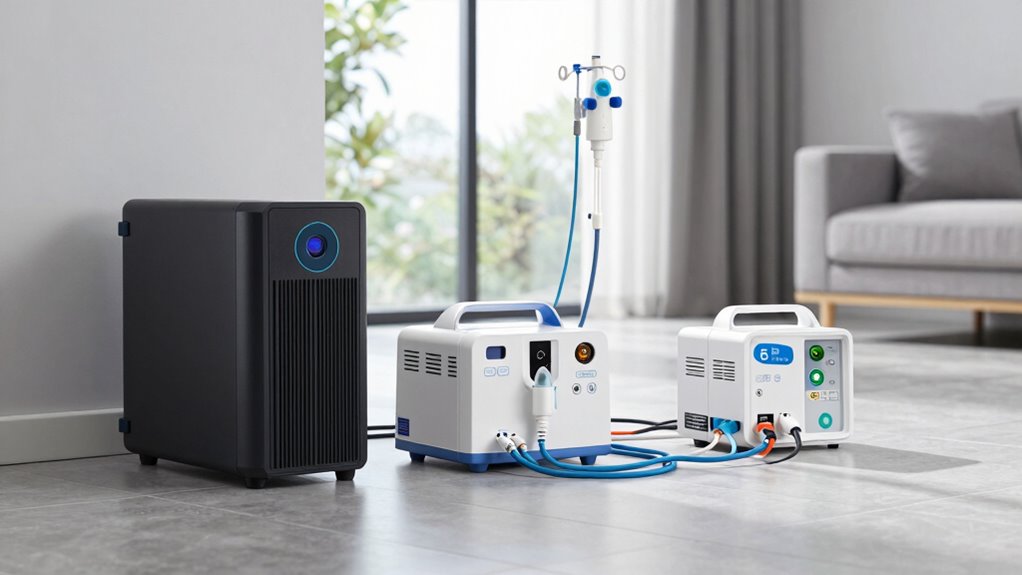
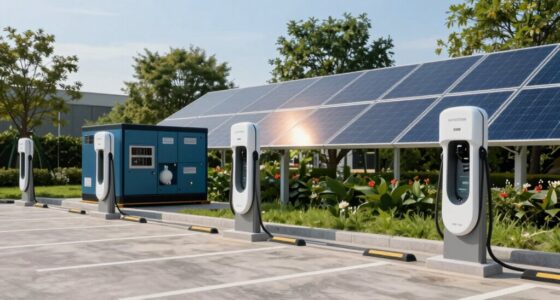
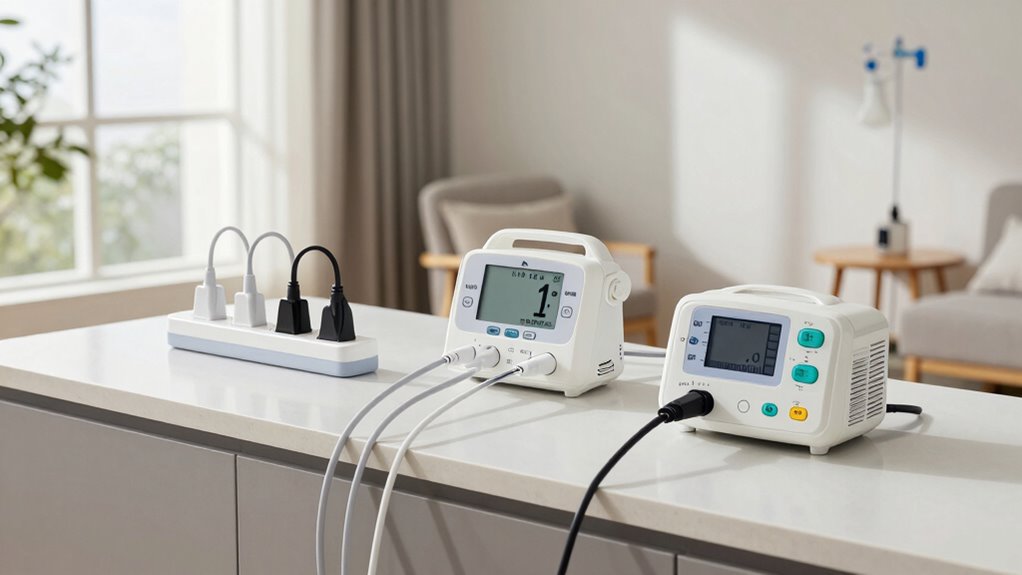
When your home relies on medical equipment, ensuring a reliable power supply becomes critical. Power outages aren’t just inconvenient—they can be life-threatening if essential devices like oxygen concentrators, ventilators, or dialysis machines stop functioning. To protect yourself, you need a solid plan that guarantees continuous power, no matter what’s happening outside. One effective way to do this is by integrating a solar backup system. Solar backup uses sunlight to generate electricity, which can be stored in batteries for use during outages. It’s a clean, renewable solution that reduces your dependence on the grid and offers peace of mind knowing you have a sustainable source of power. Installing a solar backup system involves choosing the right size based on your energy needs, ensuring your critical devices stay operational without interruption.
Ensure continuous, reliable power for essential medical devices with a solar backup system.
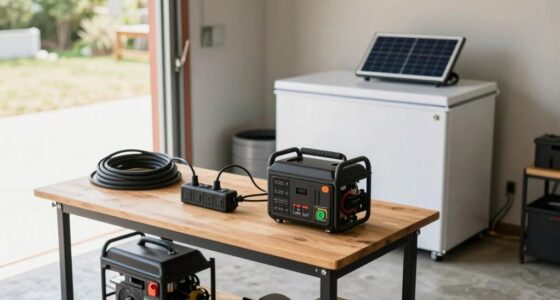
Alongside solar backup, exploring generator options is essential. Generators provide immediate power when the grid fails, and there are various types to think about. Portable generators are a flexible choice; they can be moved around and are easy to store. However, they typically run on gasoline or propane, and you need to operate and maintain them regularly. Standby generators are more robust; they’re permanently installed outside your home and automatically turn on when a power outage occurs. These generators connect directly to your home’s electrical system, ensuring your medical equipment gets power without any manual intervention. When selecting a generator, size matters—pick one capable of supporting all your critical devices simultaneously, so you’re not caught off guard.
Combining a solar backup with generator options creates a thorough power plan tailored to your needs. During sunny days, your solar system can supply power and store energy for later use, reducing fuel consumption and emissions. When the sun isn’t shining, your generator can step in seamlessly, ensuring your medical devices keep running. It’s also important to consider the costs and benefits of each backup option to determine the most practical solution for your situation. Additionally, understanding the reliability of power sources can help you make informed decisions about your backup system, especially in areas prone to frequent outages. When designing your system, you should contemplate maintenance schedules, fuel storage, and backup capacity. Consulting with a professional helps you determine the best combination for your home, ensuring you’re prepared for both short-term outages and extended blackouts. Additionally, understanding the importance of reliable power sources can influence your overall safety and health planning. Incorporating natural energy solutions into your plan can further enhance your resilience and sustainability. Moreover, understanding different power backup options can help you make more informed decisions tailored to your specific needs.
Ultimately, the goal is to create a reliable, efficient backup plan that keeps your essential medical equipment functioning at all times. Whether it’s investing in a solar backup or choosing the right generator options, the key is proactive planning. This way, you gain peace of mind, knowing that your health and safety are protected, no matter what surprises the power grid might bring.
Frequently Asked Questions
How Often Should I Test My Backup Power System?
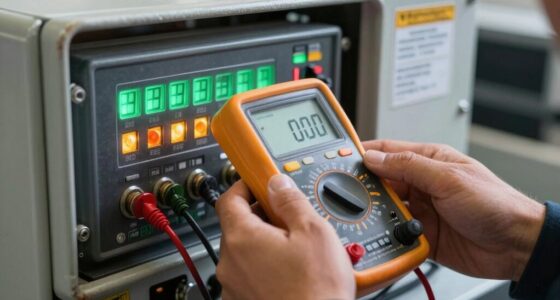
You should test your backup power system at least once every three to six months. Regular testing helps guarantee battery maintenance is up-to-date and the system functions properly during an outage. During tests, check for signs of battery wear and consider power system upgrades if performance declines. Consistent testing keeps your backup ready, giving you peace of mind that your medical equipment will stay powered when needed most.
What Are the Signs of an Impending Power Outage?
Think of emergency preparedness like a weather forecast—warning signs alert you to upcoming storms. You might notice flickering lights, a strange smell, or distant thunder-like sounds indicating a power outage is near. Keep an eye on weather alerts and utility notices. Recognizing these power outage signs early helps you prepare, especially when you rely on medical equipment. Stay vigilant and ready, so you’re not caught off guard.
Can Solar Power Fully Support All Medical Equipment?
Yes, solar power with proper battery storage can fully support your medical equipment. Renewable energy from solar panels supplies clean power, while battery storage guarantees a reliable backup during cloudy days or at night. By investing in a well-designed solar and battery system, you can maintain continuous power for essential medical devices, giving you peace of mind and independence, even during outages.
How Do I Prioritize Equipment During a Power Outage?
During a power outage, you should prioritize your medical equipment based on emergency preparedness and essential needs. Use a power management plan to identify critical devices, like ventilators or life-support systems, and guarantee they’re connected to backup power sources first. Keep backup batteries handy and consider portable generators for extra support. Regularly test your setup so you’re ready to respond quickly, minimizing risks during emergencies.
Are There Specific Insurance Considerations for Backup Power Systems?
Yes, there are specific insurance considerations for backup power systems. You should review your insurance coverage to guarantee it includes protection for your backup generators and related equipment. Check policy requirements, as some insurers may need documentation or proof of proper installation. Additionally, confirm whether your policy covers potential damages during outages or system malfunctions. Being proactive helps you avoid gaps in coverage and ensures your backup power system is fully protected.
Conclusion
Now that you understand the importance of proper power planning, imagine a storm rolling in—your medical equipment still running smoothly, your family at ease. But what if the power suddenly flickers out? Will your backup plan hold? Staying prepared means more than just a list—it’s about peace of mind when it matters most. Keep your home ready, and you’ll sleep better tonight, knowing you’re protected from the unexpected.
Fall Picks
fall essentials
As an affiliate, we earn on qualifying purchases.