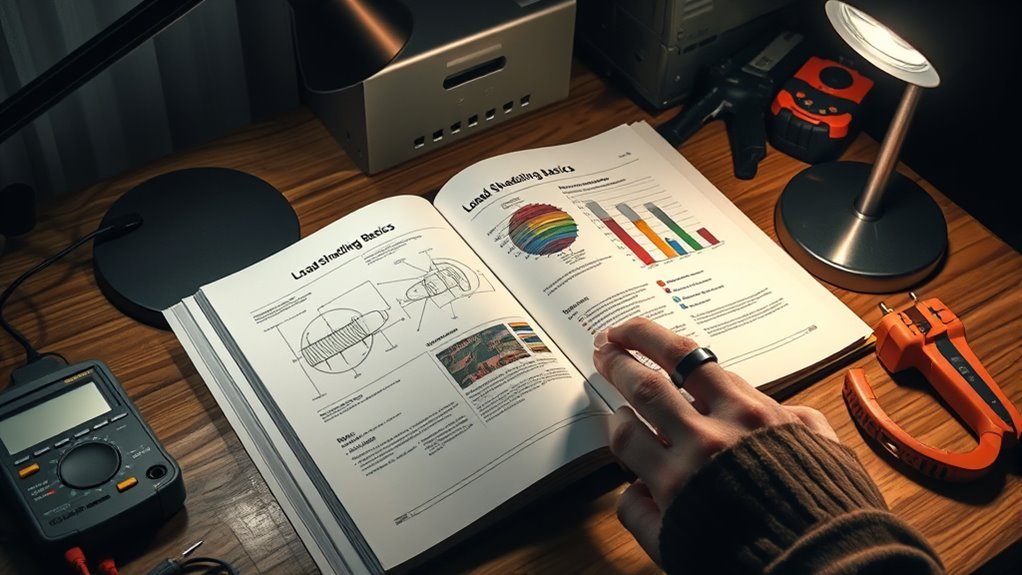
To handle load shedding effectively, understand that outages are often planned to maintain power grid stability and prevent blackouts. Prepare by keeping backup sources like generators or UPS devices ready, and stock essentials such as water and food. Create a household plan, unplug sensitive electronics, and stay informed through official channels. Conserve energy during outages and use backup systems wisely. Continue exploring the playbook to discover more tips that can make outages less disruptive.
Key Takeaways
- Confirm if the outage is widespread or isolated by checking with neighbors or utility updates.
- Report unplanned outages to your utility provider and follow their guidance.
- Use backup power sources like generators or UPS to maintain critical devices during outages.
- Conserve energy by turning off non-essential appliances to extend backup power and reduce load.
- Stay informed through official channels about outage status, safety tips, and estimated restoration times.
Load Shedding Preparedness and Troubleshooting Tips

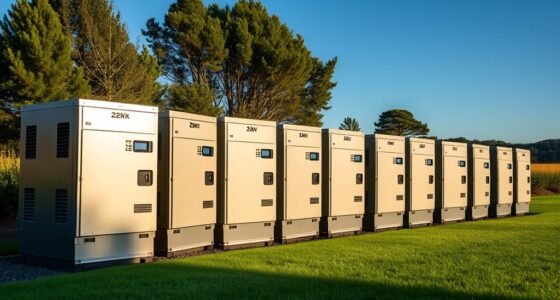
When load shedding occurs, it can disrupt your daily routine and cause frustration. You might find yourself scrambling for candles, batteries, or alternative ways to keep your devices running. But beyond the inconvenience, load shedding highlights the importance of understanding power grid stability and emergency preparedness. Knowing why outages happen and how to respond effectively can make a big difference in minimizing disruptions and protecting your household. Power grid stability is essential for ensuring a consistent electricity supply. When the demand for power exceeds supply, the grid becomes unstable, prompting authorities to implement load shedding as a temporary solution. Recognizing this helps you stay calm and patient, knowing that outages are often a necessary measure to prevent more serious failures or blackouts. To better prepare, it’s smart to keep backup sources like generators or uninterruptible power supplies (UPS) on hand. Regular maintenance and testing of these systems ensure they’ll work when needed, reducing the impact of unexpected outages. Additionally, understanding the role of contrast ratio in projectors can help you optimize your home cinema setup to enjoy uninterrupted entertainment during outages. Emergency preparedness plays a vital role during load shedding. It’s not just about having flashlights and batteries but also about planning ahead. Create a household plan that covers how everyone should behave during outages—such as unplugging sensitive electronics to avoid power surges when electricity returns or ensuring everyone knows how to safely operate backup devices. Stock up on essentials like bottled water, non-perishable food, and charged devices. Keep a list of emergency contacts and local support services handy, so you’re not caught off guard if a prolonged outage occurs. When the power goes out, your first step should be to verify whether it’s an isolated issue or a widespread outage. Check with neighbors or local authorities’ updates to understand if the outage is planned or unexpected. If it’s part of scheduled load shedding, prepare accordingly—charge your devices beforehand, and turn off unnecessary appliances to conserve energy. If it’s an unplanned outage, report it to your utility provider and wait for their updates. Meanwhile, switch to your backup power sources and avoid opening refrigerators or freezers unnecessarily, as this helps preserve food longer. Understanding how to troubleshoot during load shedding involves a combination of awareness and preparedness. Keep your backup systems ready, stay informed through official channels, and follow safety protocols. Remember, these outages are temporary, and your proactive steps can considerably lessen their impact on your daily life. Prioritizing emergency preparedness and understanding power grid stability ensures you’re better equipped to handle load shedding with minimal stress and disruption.
Frequently Asked Questions
How Long Does Load Shedding Typically Last in Each Stage?
Load shedding duration varies depending on the stage and specific timings. Typically, each stage lasts about 2 to 4 hours, with stage 1 and 2 often being shorter, around 2 hours, and higher stages lasting up to 4 hours. You should check your local schedule for accurate stage-specific timings, as these can change based on demand and grid stability. Planning ahead helps you manage outages more effectively.
Can Load Shedding Cause Permanent Damage to Appliances?
Load shedding is like a sudden storm for your appliances, and it can cause permanent damage if you’re not careful. While most appliances are built with some resilience, repeated power surges or outages can weaken them over time. To prevent damage, use surge protectors and avoid running sensitive devices during outages. Proper precautions guarantee your appliances stay safe and functional, even during unpredictable load shedding.
Is There an App to Monitor Real-Time Load Shedding Schedules?
Yes, you can find apps that monitor real-time load shedding schedules through smart grid energy apps. These apps give you instant updates on load shedding times in your area, so you can plan accordingly. Download popular energy apps compatible with your devices, set your location, and get notifications. They help you stay ahead of outages, making it easier to protect your appliances and manage your energy use efficiently.
How Can Businesses Minimize Downtime During Outages?
Ever wonder how your business can stay operational during outages? You can minimize downtime by investing in backup power solutions like generators and UPS systems. Implement effective scheduling strategies, such as shifting critical tasks to times when power is available. Planning ahead makes sure you’re prepared, reducing disruptions and maintaining customer trust. Are you ready to take control and keep your business running smoothly, no matter the load shedding challenges?
Are There Alternative Energy Sources to Avoid Load Shedding?
Yes, you can avoid load shedding by adopting alternative energy sources like solar power and wind energy. Installing solar panels allows you to generate electricity during the day, reducing your reliance on the grid. Wind energy can supplement your power needs, especially if you have access to a consistent breeze. Combining these renewable options can help guarantee your business stays operational even during outages, saving you from downtime.
Conclusion
Now that you’re armed with these load shedding tips, you’re like a sturdy lighthouse guiding your home through stormy nights. When lights flicker or power dips, remember, you hold the key to keeping chaos at bay. With patience and a plan, you can turn frustrating blackouts into moments of calm and control. Stay prepared, stay resilient, and let your troubleshooting skills shine brighter than ever—guiding you safely through every dark tide.