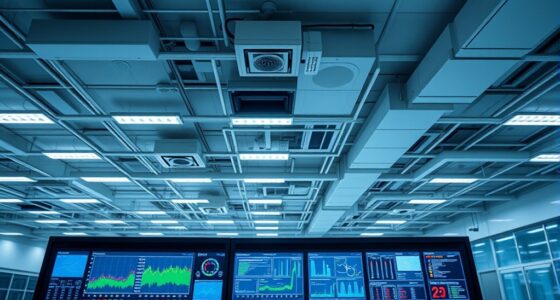

Balancing load management with load shedding involves actively controlling electricity demand to maintain grid stability, especially as renewable energy sources introduce variability. You can use smart technologies to monitor consumption and respond automatically, reducing usage during peak times. Load shedding temporarily cuts power to less critical areas to prevent overloads or blackouts. By combining these strategies, you help guarantee a reliable, efficient power supply—if you explore further, you’ll learn how these methods work together seamlessly.

Get backup power and energy gear delivered free — and shop member deals
- Fast, free delivery on millions of items
- Access to Prime Big Deal Days deals on October 6–7
- Prime Video, Amazon Music and more included
Key Takeaways
- Load management involves analyzing consumption patterns and deploying technologies to optimize demand, preventing overloads and maintaining grid stability.
- Load shedding temporarily reduces or disconnects non-critical loads during peak demand to avoid grid failures.
- Balancing requires coordination between renewable energy variability and demand response strategies.
- Smart grid systems enable real-time monitoring and automatic adjustments to harmonize load and generation.
- Combining load management with load shedding enhances grid resilience, supports renewable integration, and ensures reliable power supply.

Load management and load shedding are essential strategies utilities use to balance electricity supply and demand. When demand spikes unexpectedly or supply drops due to unforeseen circumstances, these tools help keep the power grid stable. Maintaining power grid stability is crucial because fluctuations can lead to blackouts or equipment damage. By carefully managing how and when electricity is distributed, you ensure that everyone gets a reliable supply without overwhelming the system. This balance becomes even more critical as renewable energy integration increases because renewable sources like wind and solar are intermittent and unpredictable. Their variable output requires dynamic management strategies to prevent instability on the grid.
Load management and shedding ensure stable, reliable power amid fluctuating renewable energy sources.
With renewable energy becoming a larger part of the energy mix, load management takes on added importance. You need to coordinate the flow of renewable power with conventional energy sources, adjusting demand during periods of high renewable output or low production. For instance, when the sun is shining brightly, and solar power is abundant, you can reduce the load on traditional plants, easing their operation and extending their lifespan. Conversely, during cloudy days or at night, the system must compensate with other sources. Load shedding plays a vital role here, allowing utilities to selectively reduce demand in less critical areas or times, preventing overloads that could jeopardize the entire grid.
You might think of load management as a finely tuned orchestra, where every instrument must play at the right time to create harmony. Utilities analyze consumption patterns, forecast demand, and adjust supply accordingly, often through smart grid technologies. These systems enable real-time monitoring and demand response, so you, as a consumer, may be asked to reduce usage during peak periods. Load shedding is like the conductor stepping in to temporarily silence certain sections to keep the overall performance stable. It’s a necessary measure during emergencies or when renewable energy input dips unexpectedly, ensuring the grid doesn’t collapse under excessive strain.
Balancing load management with load shedding requires a careful approach. You want to maximize the use of renewable energy while maintaining stability. Smart strategies involve incentivizing consumers to shift their usage to off-peak hours and deploying advanced control systems that respond automatically to grid conditions. When done correctly, load management and load shedding not only prevent blackouts but also support a cleaner, more sustainable energy future. They ensure that the power grid remains resilient, flexible, and capable of integrating renewable energy sources more effectively, keeping the lights on while reducing environmental impact. Additionally, implementing vertical storage solutions can further enhance grid stability by storing excess renewable energy for later use.
Frequently Asked Questions
How Do Utilities Determine When to Implement Load Shedding?
Utilities decide when to implement load shedding based on demand forecasting and infrastructure resilience. They monitor real-time data to identify peak usage and predict future demand. When the system risks overload, they act quickly to prevent outages, prioritizing critical services. By evaluating infrastructure resilience, utilities ensure they can manage sudden surges safely, balancing supply and demand effectively to avoid widespread blackouts.
What Are the Environmental Impacts of Load Shedding?
While load shedding reduces short-term power demand, it can negatively impact the environment by delaying renewable integration and increasing emissions. You might think it’s a quick fix, but it can lead to reliance on fossil fuels when renewable sources are unavailable, raising greenhouse gases. However, carefully managed load shedding can help balance the grid, supporting emissions reduction goals and encouraging cleaner energy use over time.
Can Smart Grid Technology Improve Load Balancing?
Yes, smart grid technology can substantially improve load balancing by enabling better integration of renewable energy sources and enhancing grid resilience. You’ll benefit from real-time data that helps you manage demand effectively, reducing the need for load shedding. This technology allows for quicker responses to fluctuations, ensuring a stable supply while maximizing renewable use. Overall, smart grids make your energy system more reliable, sustainable, and adaptable to changing demands.
How Does Load Management Affect Small Businesses?
Load management helps your small business save money by promoting energy conservation during peak times. You become more aware of your energy use, which encourages you to shift consumption to off-peak hours. This reduces your electricity costs and eases the grid’s load. By understanding consumer awareness, you can actively participate in load management programs, making your business more efficient and environmentally friendly while maintaining reliable power supply.
What Incentives Exist for Consumers to Reduce Energy Use?
Think of your energy use as a garden that needs tending. Demand response programs offer incentives like lower bills or rebates, encouraging you to adjust your consumer behavior during peak times. By reducing energy use when demand is high, you help ease the grid’s load. These incentives motivate you to participate actively, making a difference in the system’s health while saving you money and supporting a more sustainable energy future.
Conclusion
In balancing load management with load shedding, you realize that careful planning can reduce outages markedly. Did you know that some regions have cut blackout durations by up to 30% through smarter load strategies? By understanding when to ease demand and when to shed load, you help guarantee a stable, reliable power supply. Staying informed and proactive makes a real difference—so keep exploring ways to optimize your energy use and support a resilient grid.
Fall Picks
fall essentials
As an affiliate, we earn on qualifying purchases.