Future appliance upgrades can greatly increase your home’s power needs, affecting your generator’s capacity. If you don’t plan ahead, your current generator might be too small to handle larger or more energy-consuming devices. Smart home devices and new appliances often demand steady, reliable power, especially during startup. By considering future upgrades, you guarantee your generator can cope with increased loads and avoid outages. Keep exploring to learn how proper planning helps maintain a stable power supply as your home evolves.

Get backup power and energy gear delivered free — and shop member deals
- Fast, free delivery on millions of items
- Access to Prime Big Deal Days deals on October 6–7
- Prime Video, Amazon Music and more included
Key Takeaways
- Future appliance upgrades increase overall power demands, requiring larger generator capacity for reliable operation.
- Upgraded appliances often have higher startup power requirements, impacting generator sizing.
- Anticipating future loads prevents frequent generator upgrades and ensures continuous power supply.
- Adding advanced smart devices over time can cumulatively exceed current generator capacity.
- Proper sizing accommodates both current needs and future expansion, avoiding overloads and power interruptions.
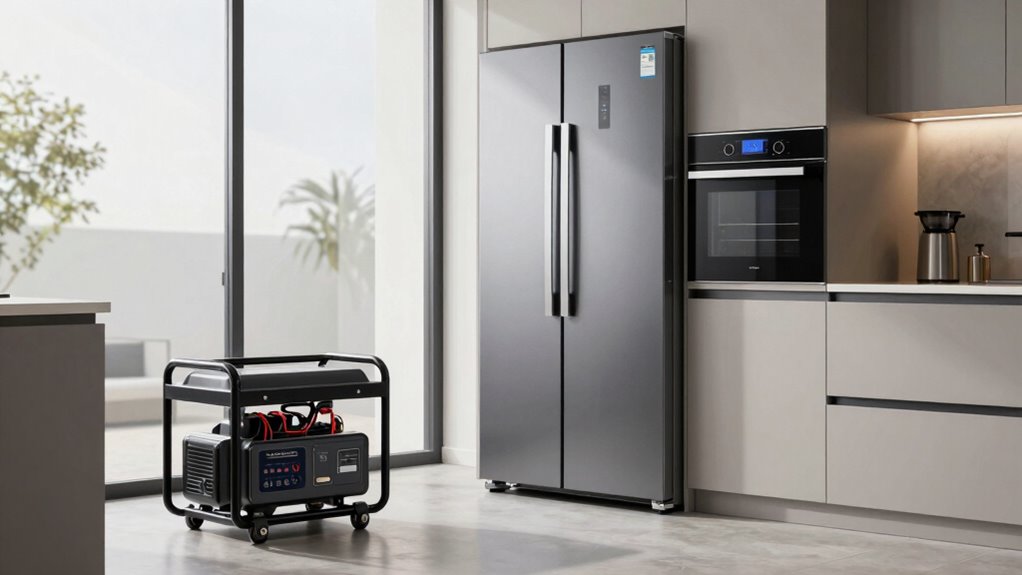
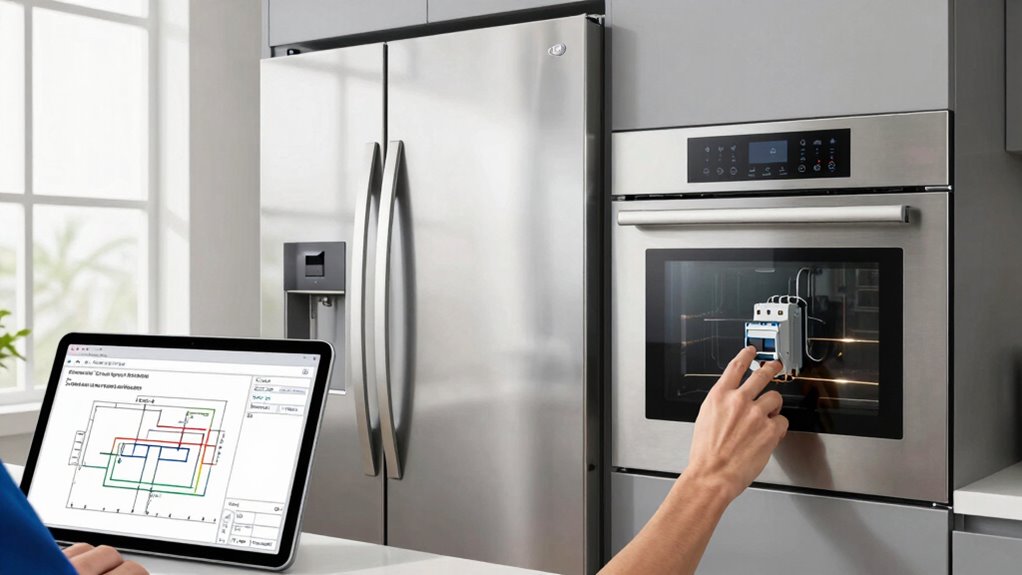
Planning for future appliance upgrades requires careful consideration of your generator’s capacity, as new appliances often demand more power. When you think about upgrading your home, it’s essential to anticipate how these changes will impact your generator’s size and performance. Modern appliances are becoming more energy-efficient, which can sometimes offset their higher power requirements, but not always. For example, smart home integration devices and advanced kitchen appliances often require a steady and reliable power source, and if your current generator isn’t sized to handle these loads, you risk power interruptions or system overloads.
Plan your generator capacity carefully to support future smart home and appliance upgrades effectively.
Energy efficiency plays a *vital* role here. While newer appliances tend to consume less energy during normal operation, they often include features like smart technology that increase overall power demands, especially when multiple devices operate simultaneously. Smart home systems, for instance, can have numerous interconnected devices—lighting, thermostats, security cameras—that require continuous power. If your generator isn’t capable of supporting these interconnected systems, you could find yourself needing an upgrade sooner than expected. Additionally, power spikes during startup can place extra strain on an undersized generator, potentially causing it to strain or shut down unexpectedly. Understanding power consumption patterns and load management strategies helps ensure your generator is prepared for these demands.
Furthermore, considering future load increases is crucial, as adding multiple smart devices and appliances over time can cumulatively exceed your current generator’s capacity. Incorporating smart technology into your planning can help you better predict how these interconnected devices will impact your power needs. Additionally, smart home integration, in particular, influences generator sizing because it often involves multiple devices operating at once, sometimes with high power spikes during startup. These spikes can strain an undersized generator, causing it to strain or shut down unexpectedly. To mitigate this, you should select a generator with a slightly higher capacity than your current needs, accounting for future additions. This way, you’ll maintain a stable power supply and avoid the inconvenience and expense of frequent upgrades.
Frequently Asked Questions
How Often Should I Reassess My Generator Size After Upgrades?
You should reassess your generator size whenever you plan significant upgrades or replace appliances, typically every 3 to 5 years, depending on appliance lifespan and upgrade frequency. Regularly reviewing your power needs guarantees your generator can handle your current load. If you add high-energy appliances or new technology, it’s wise to evaluate your generator capacity promptly to prevent overloads and maintain reliable operation.
Do Smart Appliances Impact Generator Capacity Requirements?
Like Icarus flying too close to the sun, you might underestimate smart appliances’ impact on your power demand. These devices often operate more efficiently but can still increase your generator capacity needs. Smart devices can draw fluctuating power, especially during updates or high usage. So, yes, they influence generator sizing, requiring you to take into account their power demand to guarantee your system handles current and future loads effectively.
What Are the Cost Implications of Upgrading Appliances for Generator Compatibility?
Upgrading appliances for generator compatibility can increase your costs considerably. A thorough cost analysis helps you understand expenses related to new appliances, wiring, and potential generator upgrades. During upgrade planning, consider future needs to avoid frequent replacements. While initial costs may rise, investing in efficient, compatible appliances ensures reliable backup power and can save you money over time by reducing energy consumption and avoiding costly emergency repairs.
Can Future Appliance Trends Influence Generator Technology Development?
Picture a world where appliances evolve faster than dial-up modems. Future appliance trends, driven by innovation, can definitely influence generator technology development. As appliances become smarter and more energy-efficient, they require advanced grid integration, pushing generator designs to adapt. You’ll see manufacturers focus on creating versatile, scalable generators that support these new appliances, ensuring seamless operation and reliable power, while staying ahead of the curve in energy management.
How Do Energy-Efficient Appliances Affect Generator Sizing Needs?
Energy-efficient appliances lower your appliance load and reduce overall energy consumption, which means your generator doesn’t need to be as powerful. When selecting a generator, you can scale down capacity because these appliances use less power, preventing overloads. This not only saves you money but also guarantees your generator operates efficiently. Keeping future appliance upgrades in mind helps you choose a size that accommodates potential increases in energy demand without over-sizing.
Conclusion
Thinking ahead about appliance upgrades can save you from costly generator mismatches. Studies show that homes planning future upgrades experience a 30% increase in generator efficiency when properly sized. That means you’ll not only power more devices smoothly but also extend your generator’s lifespan. So, consider your future needs now—it’s a smart move that pays off in reliability and savings. Planning ahead guarantees your home stays powered, no matter what upgrades come next.
Fall Picks
fall essentials
As an affiliate, we earn on qualifying purchases.