
Using smart plugs and power meters is an easy way for you to identify and manage your household’s essential loads. They let you control appliances remotely, track energy use, and spot devices that waste power. This helps you cut costs and improve efficiency effortlessly. By monitoring consumption patterns, you’ll understand which devices matter most and how to optimize your energy habits. Keep exploring to discover how these tools can make your home smarter and more energy-efficient.
Open a free Amazon Business account
Business pricing, bulk buying and tax-exempt orders.
As an affiliate, we earn on qualifying purchases.
Key Takeaways
- Smart plugs enable remote control and monitoring of household devices, simplifying load mapping.
- Energy meters attached to smart plugs track power consumption for precise load analysis.
- Monitoring data helps identify unnecessary energy use and essential loads in the home.
- Using smart plugs supports targeted energy management to reduce waste and lower bills.
- These tools provide an easy, accessible way to visualize and optimize household energy use.
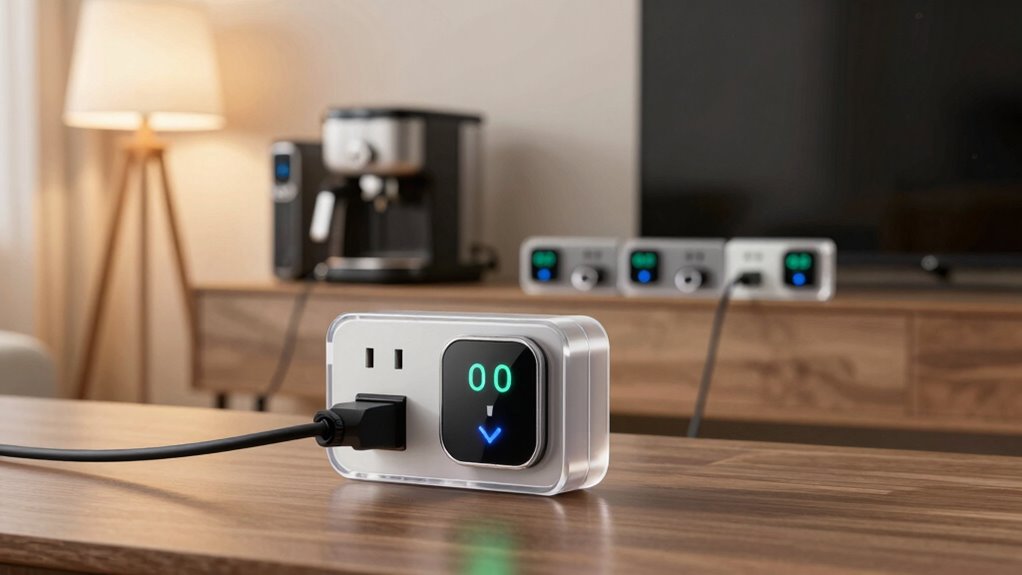
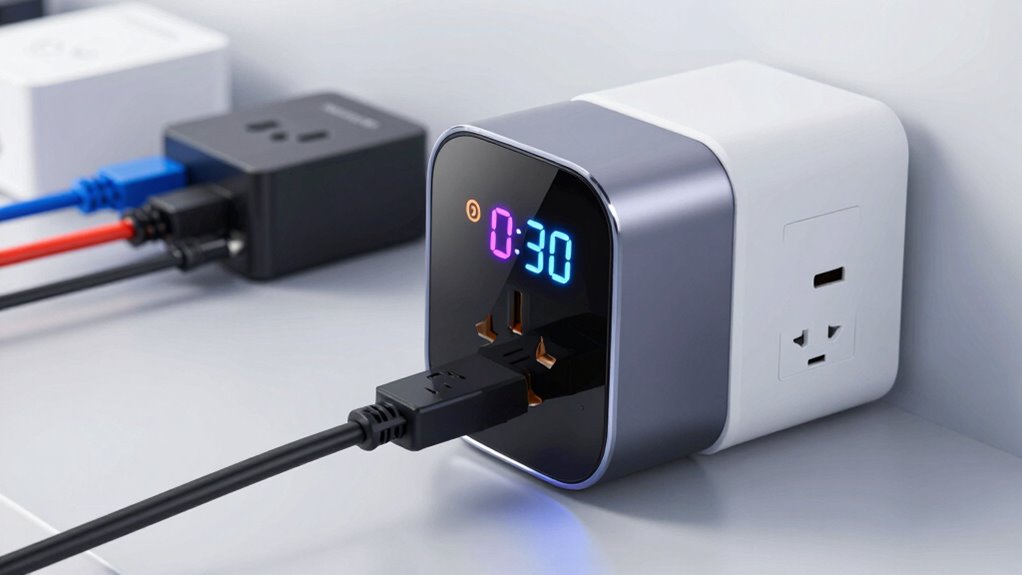
One of the biggest advantages of smart plugs is the ability to use remote control. No matter where you are—whether at work, on vacation, or simply relaxing in another room—you can turn appliances on or off with a tap on your device. This feature guarantees that you’re never wasting energy on devices you forgot to unplug. For example, you can switch off your coffee maker after brewing or turn off lamps that you left on in a hurry. Remote control makes managing your home’s energy use effortless and responsive, giving you peace of mind and more control over your environment. Additionally, many smart plugs offer energy monitoring features that help you track and analyze your power consumption more effectively. Understanding essential loads in your home is crucial to optimizing energy efficiency and reducing costs. Being aware of power consumption patterns can further assist in identifying devices that use unnecessary energy. Recognizing energy waste through these tools can lead to more informed decisions about device usage and overall household energy management. Monitoring your power usage over time can help identify habits that contribute to higher energy bills and allow for targeted improvements.
Frequently Asked Questions
How Accurate Are Smart Plug Energy Readings?
Smart plug energy readings are generally quite accurate, but their measurement precision can vary based on the device’s quality. You should consider energy calibration, as some smart plugs offer better calibration features, improving measurement accuracy. While they’re reliable for everyday monitoring, small discrepancies might occur, especially with complex loads. Overall, for typical household use, smart plug readings give a good estimate, but don’t replace professional-grade measurement tools when precision is critical.
Can Smart Plugs Handle High-Power Appliances Safely?
Think of smart plugs as gatekeepers, but they’re not always suited for high-power appliances. They can handle some, but voltage fluctuations may threaten safety if the load exceeds their capacity. Always check appliance compatibility and the plug’s maximum wattage. For heavy-duty devices, choose a smart plug specifically designed for high power, ensuring you don’t risk damage or safety hazards. Stay cautious, and always follow manufacturer guidelines.
Do Smart Plugs Require a Stable Wi-Fi Connection?
Yes, smart plugs do require a stable Wi-Fi connection to function properly. You need good Wi-Fi reliability and connectivity stability for your smart plugs to respond quickly and reliably. If your Wi-Fi is inconsistent or weak, you might experience delays or connectivity issues. To get the most out of your smart plugs, make sure your Wi-Fi network is strong and stable, especially in the areas where you plan to use them.
Are Smart Meters Compatible With All Home Electrical Systems?
Smart meters aren’t compatible with all home electrical systems due to variations in electrical compatibility and installation requirements. You need to check if your system supports the specific meter type, such as single-phase or three-phase. Installation might require professional help to guarantee safety and proper functioning. Before purchasing, verify the meter’s compatibility with your home’s electrical setup to avoid issues and guarantee accurate energy monitoring.
How Secure Is Data Collected by Smart Power Meters?
Data collected by smart power meters is generally secure, but it’s not foolproof—there’s always a risk of hacking vulnerabilities. You’re right to be cautious because your data privacy could be compromised if hackers exploit weak points. While manufacturers use encryption and security protocols, staying vigilant, updating firmware, and choosing reputable brands help you keep your essential information safe from prying eyes. Don’t put all your eggs in one basket.
Conclusion
By now, you’ve discovered how smart plugs and power meters can revolutionize your energy management. With just a few simple steps, you can effortlessly map your essential loads and take control of your power usage. It’s like having a personal energy wizard at your fingertips, transforming your home into an ultra-efficient powerhouse. Don’t wait—embrace these tools today and turn your energy habits from a trickle into a roaring flood of savings and sustainability.
Fall Picks
fall essentials
As an affiliate, we earn on qualifying purchases.