
To plan backup power for your sump pump, start by choosing a reliable backup system like a generator or a battery backup designed for sump pumps. Regularly maintain and test these systems to guarantee they’re ready during emergencies. Place generators in well-ventilated areas and store batteries in secure, dry spots. Consider combining both systems for added protection. By understanding proper setup and upkeep, you’ll keep your home safe during storms—keep going to learn more about effective planning.

Get backup power and energy gear delivered free with Prime
- Fast, free delivery on millions of items
- Prime Video, Amazon Music and more included
- Member-only deals all year
Key Takeaways
- Assess your sump pump’s power requirements and evaluate the potential risks of flooding during outages.
- Choose appropriate backup systems such as generators and battery storage based on your property’s needs.
- Schedule regular maintenance, testing, and inspections of backup equipment to ensure reliable operation.
- Ensure proper placement, ventilation, and access for backup systems to facilitate maintenance and safety.
- Integrate backup solutions for seamless operation, and develop a comprehensive plan for outages and storms.
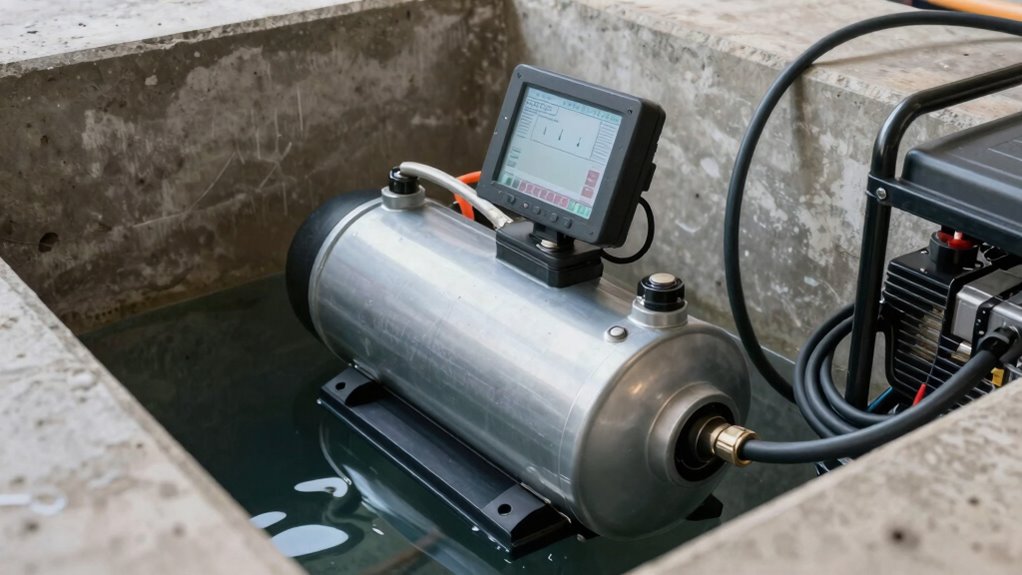
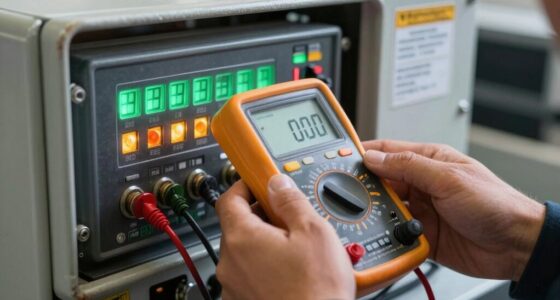
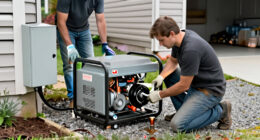
When heavy rains or power outages threaten your home, a sump pump can be your first line of defense against flooding. But to ensure it works when you need it most, planning for backup power is essential. One of the most reliable options involves considering generator maintenance and battery storage. Regular generator maintenance keeps your backup power system ready, preventing surprises during emergencies. You should schedule routine checks, ensure fuel supplies are sufficient, and test the generator periodically to confirm it starts instantly when needed. Proper maintenance extends the lifespan of your generator and guarantees it will operate effectively during a storm or blackout.
Regular generator maintenance ensures reliable backup power during storms and outages.
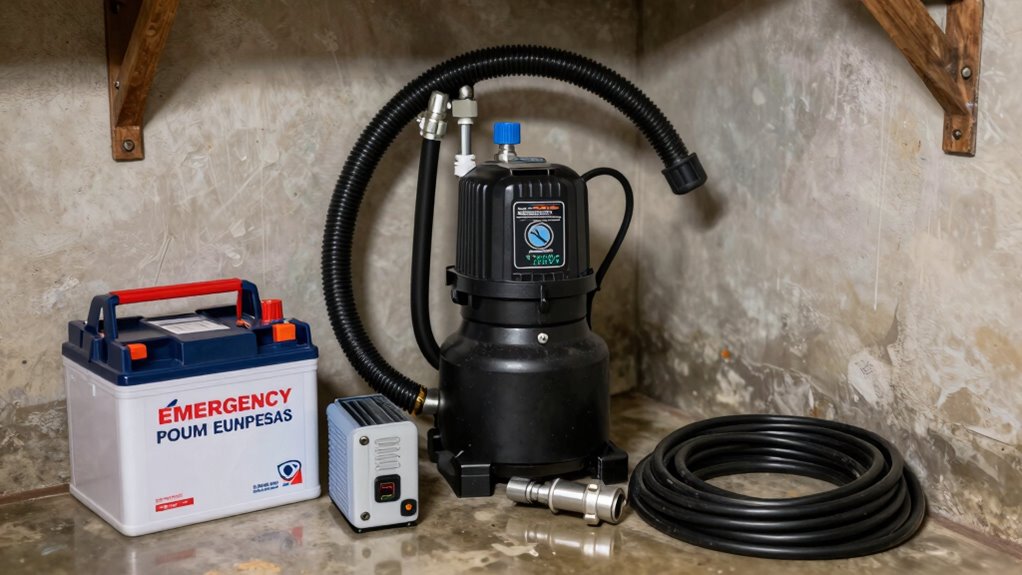
Battery storage is another critical component to consider. Installing a battery backup system allows your sump pump to run even if the power grid goes down. These systems are designed to automatically activate when the main power source fails, providing continuous protection. When selecting batteries, focus on capacity and redundancy—larger, more robust batteries can power your sump pump longer and handle extended outages. Make sure your battery system is compatible with your sump pump and that it’s properly integrated into your overall backup plan. Regularly inspecting and testing your batteries ensures they’re in good condition and will perform reliably during emergencies.
Integrating both generator maintenance and battery storage into your backup plan offers the most resilient protection. For example, if your generator needs servicing, your battery backup can still keep the sump pump operational, providing peace of mind. Conversely, if your batteries are depleted or malfunctioning, your generator can take over once it’s properly maintained. It’s smart to develop a routine schedule that combines both preventive maintenance and testing. This way, you avoid last-minute failures and are confident your sump pump will function when floodwaters threaten your home.
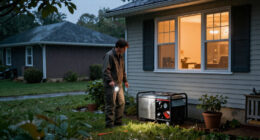
You should also consider the placement of your backup systems. Generators need proper ventilation and access for refueling and maintenance. Batteries, on the other hand, should be stored in a clean, dry, and secure location. Keep a checklist of maintenance tasks and testing dates to stay on top of system health. Remember, a well-planned backup power system isn’t just about equipment—it’s about ensuring your home remains protected during the worst storms. With proper generator maintenance and reliable battery storage, you’ll be equipped to handle power outages and keep your sump pump running, safeguarding your property from flooding.
Frequently Asked Questions
What Is the Average Lifespan of a Backup Sump Pump?
The average lifespan of a backup sump pump is about 3 to 5 years. To guarantee it works properly, you should regularly check battery maintenance, like testing the battery and replacing it when needed. Consider your power outage frequency, as frequent outages may shorten the backup system’s lifespan. Proper maintenance and timely replacements will keep your backup sump pump reliable when you need it most.
How Much Does a Backup Power System Typically Cost?
A backup power system for your sump pump typically costs between $300 and $1,200, depending on the setup. Interestingly, 60% of homeowners overlook battery maintenance, which is vital for reliability. You should consider different power source options like battery backups or generators, and guarantee regular battery maintenance to keep everything functioning smoothly. Investing in a reliable backup system helps prevent flooding and protects your home during outages.
Can I Use a Generator as Backup Power for My Sump Pump?
Yes, you can use a generator as backup power for your sump pump. It’s a reliable option for power outage preparedness, ensuring your sump pump keeps running during storms. Just remember to perform regular generator maintenance to keep it in good condition. Also, consider installing a transfer switch for safety and convenience, making sure your generator automatically kicks in when needed and maintains your home’s protection during emergencies.
How Often Should I Test My Backup Power System?
A stitch in time saves nine, so you should test your backup power system at least once a month. During these tests, check your battery maintenance and verify your power source selection remains reliable. Regular testing helps catch potential issues early, so your sump pump stays protected during outages. Don’t forget, a well-maintained backup system keeps your home safe and prevents costly water damage.
What Safety Precautions Are Necessary When Installing Backup Power?
When installing backup power, you should prioritize electrical safety by turning off power sources before beginning work, wearing insulated gloves, and using proper tools. Make certain to secure all connections and follow local electrical codes. Regularly check and maintain your batteries to guarantee reliable operation, inspecting for corrosion or leaks. Avoid working alone, and if unsure, hire a professional to ensure the installation is safe and compliant.
Conclusion
Planning backup power for your sump pump isn’t just a good idea—it’s your ultimate shield against flooding disaster. With the right setup, you can sleep soundly knowing your home is protected even when the storm hits harder than a hurricane. Don’t wait until disaster strikes—invest in a reliable backup system today. Remember, a well-prepared sump pump backup is like having a fortress guarding your home’s safety, standing tall against nature’s fury!
Halloween Picks
halloween
As an affiliate, we earn on qualifying purchases.