TL;DR

Get backup power and energy gear delivered free — and shop member deals
- Fast, free delivery on millions of items
- Access to Prime Big Deal Days deals on October 6–7
- Prime Video, Amazon Music and more included
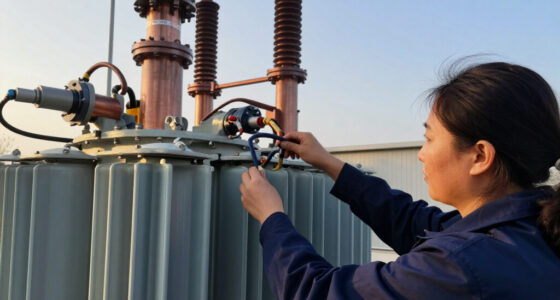
The U.S. Department of Energy has announced a $1.9 billion investment to fund advanced grid technology projects. This funding aims to modernize the electrical grid, improve resilience, and facilitate renewable energy integration. The development signals a major push toward a more reliable and sustainable energy future.
The U.S. Department of Energy (DOE) has announced a new funding initiative totaling $1.9 billion aimed at advancing grid technology across the country. This investment is designed to modernize the electrical infrastructure, improve resilience against disruptions, and support the integration of renewable energy sources. The announcement underscores the federal government’s commitment to transforming the nation’s energy system amid increasing demand for clean power and grid reliability.
The DOE’s $1.9 billion funding will be distributed through various grants and programs targeting grid modernization projects nationwide. Officials said the funds will support advanced control systems, smart grid technologies, energy storage, and transmission upgrades. The initiative is part of broader efforts to enhance grid resilience in the face of climate-related disasters and cyber threats, as well as to enable the seamless integration of renewable sources such as wind and solar.
While specific projects and recipients have not yet been publicly identified, the DOE emphasized that the funding aims to accelerate technological innovation and foster public-private partnerships. The announcement follows a surge in interest around grid upgrades, driven by increasing renewable deployment and the need for more reliable, flexible energy infrastructure.
Implications for U.S. Energy Resilience and Clean Power
This $1.9 billion investment signals a major federal push to modernize the U.S. electrical grid, which is widely regarded as critical for climate goals and energy security. Upgraded grid infrastructure can reduce outages, facilitate the integration of renewable energy, and improve overall system efficiency. The funding also aims to create jobs in high-tech manufacturing, engineering, and construction sectors, boosting economic growth alongside environmental benefits.
Experts suggest that this initiative could accelerate the transition to a cleaner energy system, helping the U.S. meet its commitments under international climate agreements. However, the scale and speed of deployment remain uncertain, and questions about project selection and implementation timelines are still unresolved.
Recent Trends in Grid Modernization and Policy Signals
Interest in grid modernization has been rising over the past year, driven by increased coverage of climate change impacts and the push for renewable energy adoption. The Biden administration has prioritized infrastructure investments, including the Inflation Reduction Act, which also allocates significant funds for clean energy and grid upgrades. The current $1.9 billion DOE boost appears to be part of this broader policy trend, although officials have not yet confirmed how it aligns with prior legislative packages.
Prior to this announcement, several states and utilities had begun pilot projects on smart grids, energy storage, and grid resilience. Industry analysts note that the funding could catalyze broader deployment of these technologies nationwide, but detailed project plans are still forthcoming.
Unconfirmed Details About Project Implementation
While the total funding amount and general purpose are confirmed, specific project details, recipient organizations, and timelines remain undisclosed. It is unclear how the funds will be allocated across different regions or technologies, and whether the initiative will prioritize certain types of projects or geographic areas. Additionally, the exact impact on energy prices, grid resilience, or renewable integration will depend on subsequent project execution and technological breakthroughs, which are still in development.
Next Steps in Funding Disbursement and Project Selection
The DOE is expected to release detailed guidelines and application processes for eligible organizations in the coming weeks. Stakeholders, including utilities, technology firms, and local governments, will likely submit proposals to access portions of the $1.9 billion fund. The department will then evaluate these proposals based on criteria such as innovation, scalability, and contribution to national energy goals. Monitoring and reporting frameworks are also anticipated to be established to track project progress and outcomes over the next 12-24 months.
Key Questions
Who will benefit from the $1.9 billion grid funding?
The funding is intended to support utilities, technology providers, and local governments working on grid modernization projects across the U.S., with the goal of creating a more resilient, efficient, and renewable-friendly energy system.
When will the projects funded by this initiative begin?
Specific project timelines are not yet announced. The DOE plans to release application guidelines soon, with project implementation expected to take place over the next 1-3 years.
What types of technologies will be prioritized?
The funding aims to support advanced control systems, energy storage solutions, smart grid technologies, and transmission upgrades, though detailed priorities will be clarified in upcoming guidelines.
How does this investment relate to existing policies?
This initiative aligns with broader federal efforts like the Inflation Reduction Act and existing state-level grid modernization programs, reinforcing the U.S. government’s commitment to a clean, reliable energy future.
Are there any concerns about project execution or effectiveness?
While the funding is substantial, experts caution that actual impact depends on how quickly and effectively projects are implemented. Challenges include regulatory hurdles, supply chain issues, and technological integration.
Source: rss
Fall Picks
fall essentials
As an affiliate, we earn on qualifying purchases.