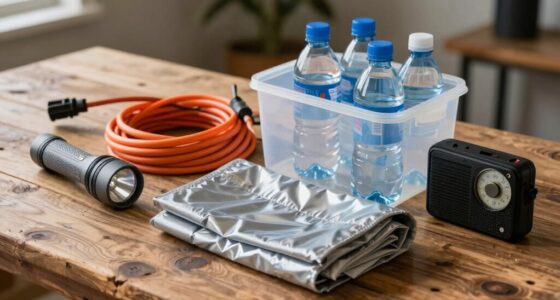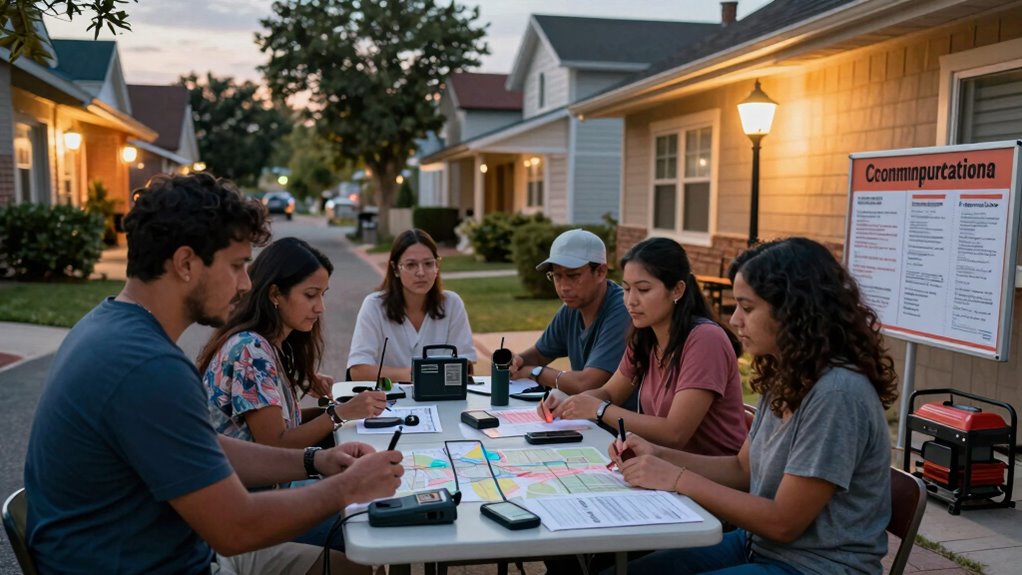
To build a neighborhood backup power communication plan, start by organizing community outreach to share resources, discuss risks, and build trust. Conduct emergency training and scenario drills to prepare everyone for outages, focusing on communication roles. Choose reliable methods like battery-powered radios, and establish a clear chain of command for information sharing. Regularly update contact lists and review the plan to adapt to changes. Keep engaging your community—more tips follow to strengthen your preparedness efforts.
Key Takeaways
- Establish a community-led communication network using battery-powered radios, message boards, and designated leaders for reliable info sharing.
- Conduct regular emergency training and scenario drills to ensure residents know how to operate backup power and communicate effectively.
- Develop a clear, accessible communication plan with designated roles, contact lists, and methods resistant to power outages.
- Promote resource sharing, such as portable chargers and generators, and create a community directory of helpers for support.
- Integrate outreach, training, and resource planning into a comprehensive resilience strategy, regularly reviewing and updating for community needs.
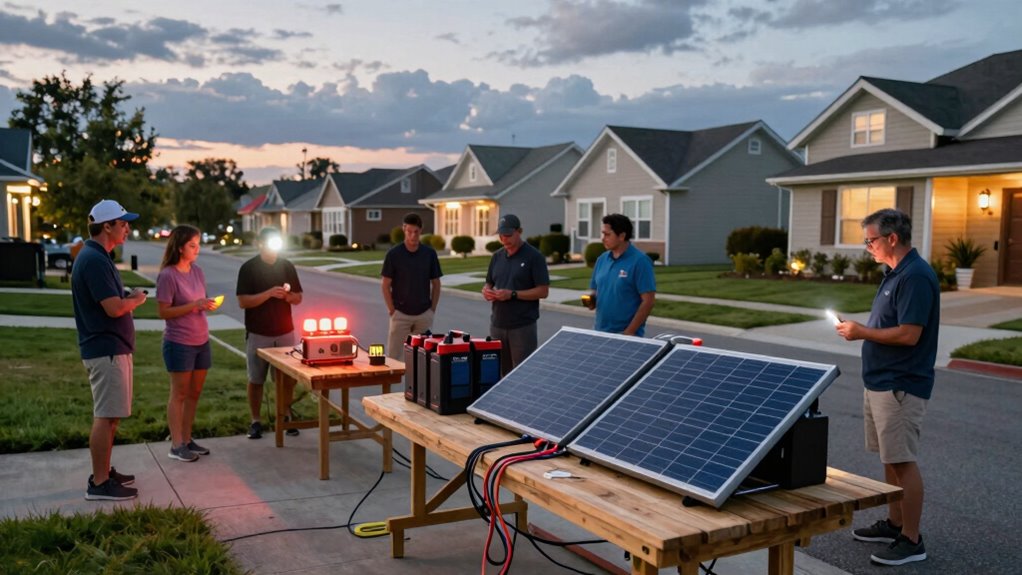
When a power outage strikes, having a neighborhood backup power plan can make all the difference in maintaining safety and essential services. It’s not just about having generators or batteries; it’s about creating a reliable communication network that keeps everyone connected and informed. To build this effectively, start by organizing community outreach efforts to bring neighbors together. Use these gatherings to discuss potential risks, share resources, and establish trust. When neighbors know each other and understand their collective needs, coordinating responses during an outage becomes much smoother. Community outreach also helps identify individuals who might need extra help, such as seniors or those with medical devices, ensuring nobody gets left behind. Additionally, understanding the role of color accuracy in projectors can assist in setting up visual displays for community alerts or instructions during an outage.
Organize community efforts to share resources, build trust, and ensure everyone’s needs are met during power outages.
Next, focus on conducting emergency training that equips everyone with the skills to respond confidently during a power failure. This training should cover how to operate backup power sources safely, basic first aid, and communication procedures. When neighbors are well-trained, they can assist each other effectively, reducing panic and confusion. Consider organizing workshops or drills that simulate outage scenarios, so everyone knows their role. These exercises reinforce the plan, highlight gaps, and build trust among community members. Moreover, practicing communication strategies ensures that information remains clear and accessible even if certain channels fail. Establishing emergency preparedness as a core community value can further enhance overall resilience. Recognizing the importance of community resilience can motivate ongoing commitment to these plans and practices. Incorporating landscaping elements that support natural cooling and energy efficiency can also contribute to community sustainability and disaster readiness.
Developing a clear communication plan is essential. Decide on methods that work even if the power is out—such as battery-powered radios, designated phone trees, or community message boards. Make sure everyone has access to these channels and understands how to use them. Establish a chain of command or designated leaders who can relay information quickly and calmly. Regularly update contact information and test communication systems to ensure they’re functional when needed. A well-practiced plan minimizes chaos and ensures critical information reaches everyone promptly. Keeping the community informed and prepared fosters resilience and trust, essential components of an effective backup plan.
Integrating your backup power plan with community outreach and emergency training creates a resilient neighborhood. Encourage neighbors to share resources, like portable chargers or generators, and create a directory of who can help with specific needs. Keep everyone informed about the plan’s details and hold periodic reviews to adapt to changes in the community. When neighbors are proactive and prepared, your entire neighborhood becomes safer and more capable of handling outages without panic. Building this network of communication and training isn’t just about reacting to emergencies—it’s about fostering a sense of community that’s ready to face challenges together.

Porch Shield Waterproof Universal Generator Cover 32 x 24 x 24 inch - for Most Generators 5000-10000 Watt, Black
Compatible - More sizes for 5000w -10000w gas generator or inverter generator.
As an affiliate, we earn on qualifying purchases.
Frequently Asked Questions
How Do I Determine the Appropriate Backup Power Capacity for My Neighborhood?
To determine the appropriate backup power capacity, start with a thorough neighborhood assessment. Identify essential services and the number of households needing power during outages. Calculate the total power capacity required by estimating the wattage of critical systems, like lighting, communication, and medical devices. Consider future growth and peak usage times. This assessment helps you choose a backup system that reliably supports your neighborhood’s needs without over or underestimating the power capacity.
What Are the Best Renewable Energy Options for Neighborhood Backup Power?
You should consider solar batteries and wind turbines for renewable neighborhood backup power. Solar batteries store excess solar energy, providing reliable power during outages. Wind turbines harness natural wind, generating electricity when conditions are favorable. Combining these options creates a resilient, eco-friendly system that reduces dependence on traditional power sources. Evaluate your area’s resources to determine the best mix, ensuring continuous backup power for your community.
How Can I Ensure Equitable Access to Backup Power for All Residents?
You can guarantee equitable access by organizing community training sessions that teach residents how to operate backup power systems. Promote power sharing initiatives, where resources are distributed fairly during outages. Encourage open communication to identify vulnerable households and develop inclusive plans. By fostering a sense of collective responsibility and understanding, you make certain everyone benefits equally from backup power, strengthening community resilience and ensuring no one is left behind during emergencies.
What Permits or Regulations Are Needed for Installing Backup Power Systems?
You need to check local zoning restrictions and safety standards before installing backup power systems. Contact your city or county planning department to obtain necessary permits, ensuring your system complies with zoning laws. Additionally, review safety standards set by agencies like the National Electrical Code (NEC) to prevent hazards. Securing these permits and following safety guidelines helps you avoid fines or system modifications later, ensuring a safe, compliant installation.
How Do I Coordinate Backup Power Plans With Local Emergency Services?
You need to initiate community outreach early, sparking collaboration with local emergency services, which might seem straightforward but is essential. Engage them in discussions about emergency protocols, sharing your backup power plans to guarantee seamless coordination. Keep communication open, hold joint drills, and regularly update plans based on feedback. This proactive approach builds trust and makes certain that everyone’s prepared, turning a potential crisis into a manageable situation.
Porch Shield Waterproof Universal Generator Cover 38 x 28 x 30 inch - for Most Generators 5500-15000 Watt, Black
Compatible - More sizes for 5500w -15000w gas generator or inverter generator.
As an affiliate, we earn on qualifying purchases.
Conclusion
Creating a neighborhood backup power plan guarantees everyone stays connected during outages, enhancing safety and community resilience. Did you know that during recent power outages, neighborhoods with coordinated plans experienced 40% fewer emergency response delays? By working together now, you can keep communication lines open and support each other when it matters most. Start planning today—your community’s safety and peace of mind depend on it. Together, you’ll be better prepared for whatever comes next.

GenArmor Generator Covers While Running, 100% Waterproof Heavy Duty Tarps Generator Tent, Portable Outdoor Generator Enclosure for Most 4000w~13000w Generators, Black, Standard
100% Waterproof Protection: A patented innovation from GenArmor independent design lab, ensuring the safety of your generator covers...
As an affiliate, we earn on qualifying purchases.
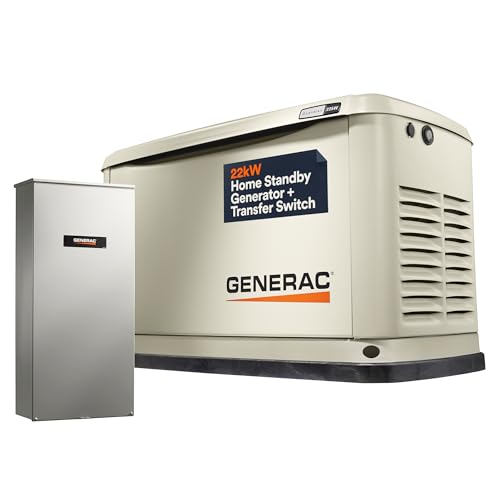
Generac Guardian 22kW Home Standby Generator with 200 Amp Transfer Switch - Automatic Whole House Backup Power for Storms, Emergencies, and Outages, WiFi Enabled, Runs on Natural Gas or Liquid Propane
Remote Monitoring Anywhere: With Generac 7043 22kW Mobile Link Wi-Fi connectivity, effortlessly track generator performance from anywhere. Stay...
As an affiliate, we earn on qualifying purchases.